
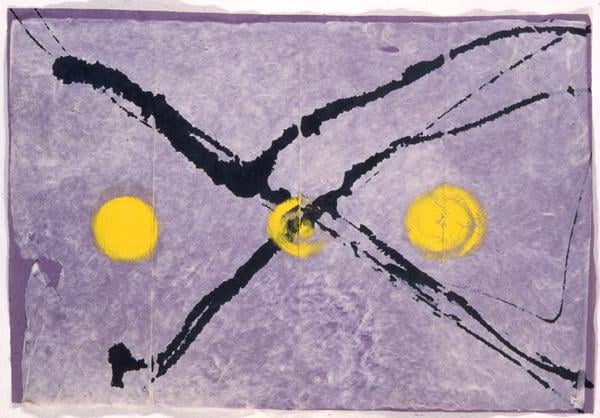
Expert analysis of Luciano Bartolini’s Inner Space
Style: Art Informel · Genre: abstract
"Inner Space" by Luciano Bartolini is a seminal work within the Art Informel movement, which emerged in post-war Europe as a radical departure from geometric abstraction and figuration. Executed in an abstract genre, the piece embodies the core tenets of Art Informel: spontaneity, gestural force, and a raw, material-driven approach that prioritizes the artist’s inner psychological state over representational form. The title itself—Inner Space—directly reflects the movement’s preoccupation with existential introspection and the unconscious, as Bartolini channels an unmediated, emotional energy onto the canvas. Within the context of Italian Art Informel, Bartolini’s work stands out for its ability to merge a deeply personal, almost organic expressiveness with the broader European search for authentic, non-rational artistic language in the wake of wartime trauma. The significance of Inner Space lies in its exemplary fusion of chaotic mark-making and tactile surface—hallmarks of Art Informel—that invites viewers to confront a universe of interiority, making it a key contribution to the style’s legacy of liberated, anti-formalist abstraction.
Genre
Style
Visually similar
20 works with related composition and palette
Inner Space
Luciano Bartolini
Untitled
Kazuo Shiraga
Relativity
Toko Shinoda

Person
Se-Ok Suh
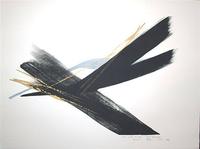
Arrived Wind
Toko Shinoda
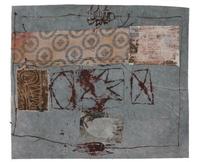
Untitled
Hannelore Baron
Puente hacia la luna
Genis Remacha
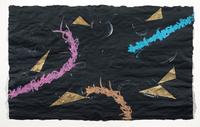
Untitled
Luciano Bartolini
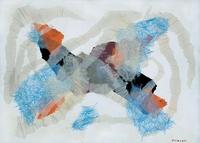
Acropoli
Giulio Turcato
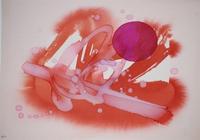
Untitled (Purple and Red)
Luis Feito
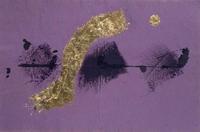
Inner Space
Luciano Bartolini
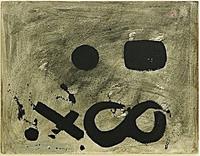
Figure Eight
Adolph Gottlieb
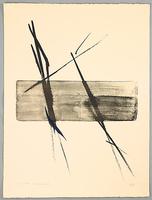
Beyond
Toko Shinoda
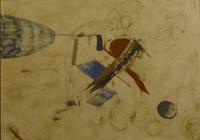
024 the Methaforic Expressions of a Planet Invasion
Genis Remacha
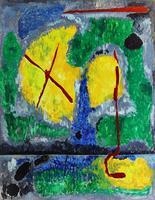
Marine at Sunset
George Stefanescu
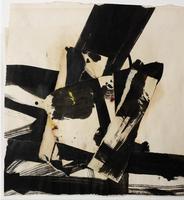
Black and White.png
Franz Kline
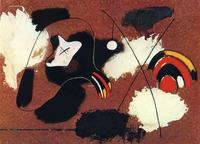
Painting
Joan Miro
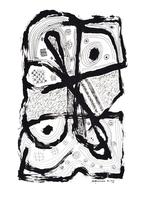
Labyrinth
George Stefanescu
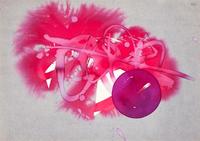
Untitled (Purple circle)
Luis Feito
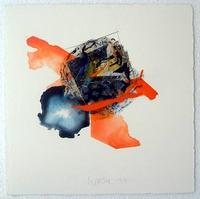
Fraction No. 4369
Larry Bell