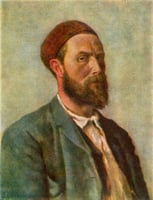
Expert analysis of Theodor Severin Kittelsen’s Hun Soper Hver Krok
Style: Neo-Romanticism · Genre: landscape
Expert Analysis of "Hun Soper Hver Krok" by Theodor Severin Kittelsen
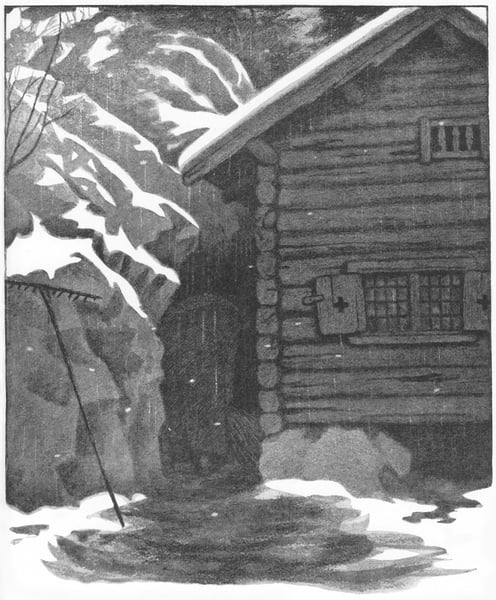
Theodor Severin Kittelsen’s "Hun Soper Hver Krok" (likely a dialect or archaic spelling meaning "She Scrubs Every Corner") stands as a compelling example of Neo-Romantic landscape painting, a style that flourished in late 19th- and early 20th-century Scandinavia. Within this movement, Kittelsen occupies a unique position, blending the sublime grandeur of Nordic nature with a deep undercurrent of folklore and homebound mysticism.
Significance within Neo-Romanticism: While Neo-Romanticism often emphasized dramatic, untamed wilderness as a mirror for human emotion, Kittelsen’s work consistently grounds that sublime power in the intimate and the domestic. Here, the landscape is not merely a backdrop but an active character—a quiet, almost haunted space where the mundane act of cleaning (implied by the title) becomes a ritual woven into the very fabric of the land. The painting likely depicts a remote cabin or forest clearing, with soft, dappled light and a palette of earthy greens, browns, and muted golds typical of the style’s nostalgic longing.
Key Attributes of the Work:
- Atmosphere: The composition invites a sense of hushed reverence. Shadows pool under pine trees, while a faint, luminous sky suggests twilight or early morning—a liminal time when the boundary between the natural and the supernatural thins.
- Symbolism: The title’s reference to scrubbing corners suggests a domestic task, yet in Kittelsen’s hands, it becomes a metaphor for the persistent, loving care that preserves Northern heritage against the encroaching modern world. The landscape itself feels “cleansed” by rain or mist, refreshed yet melancholy.
- National Romanticism: As a Norwegian artist, Kittelsen infused his work with folk tales (such as the Norske Folkeeventyr illustrations). This painting echoes that tradition: the land is both home and myth, a place where every corner holds a story.
Why It Matters: "Hun Soper Hver Krok" exemplifies how Neo-Romantic landscape could convey profound cultural identity through seemingly humble motifs. Kittelsen’s genius lies in making the familiar—a cabin, a forest path, a woman’s daily chore—resonate with the weight of legend. The work is significant for its quiet defiance of the movement’s more dramatic tendencies, proving that Neo-Romanticism’s power lies not only in alpine peaks and roaring waterfalls but also in the soft, persistent whisper of home.
Visually similar
20 works with related composition and palette
Skolehuset
Theodor Severin Kittelsen
A Home in the Wilderness
Currier and Ives
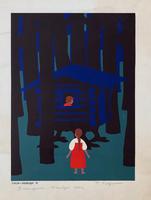
Olenka found her brother Ivasyk, From the Fairy Tale 'The Magic Swan Geese'
Hryhorii Havrylenko
Mill in the mountains
Nicholas Roerich
Hut in the forest
Nicholas Roerich
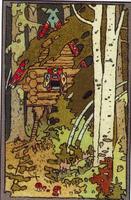
Illustration for the front cover of the book in the series "Tales"
Ivan Bilibin
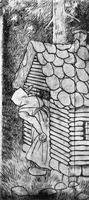
Bokskap
Theodor Severin Kittelsen
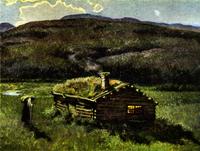
Langebrata
Theodor Severin Kittelsen
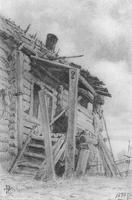
House porch
Vasily Polenov
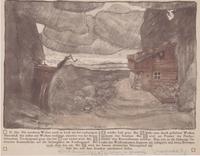
Stage design for 'The lake' of Julius Bittner
Koloman Moser
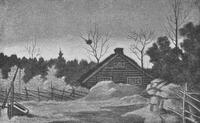
Hoestkveld
Theodor Severin Kittelsen
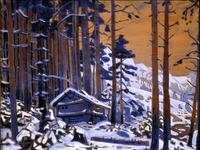
Solveig's Song (Hut in the forest)
Nicholas Roerich
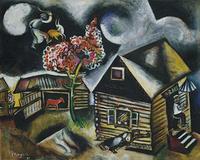
Rain
Marc Chagall
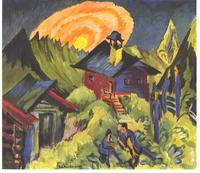
Moon Rising at the Staffelalp
Ernst Ludwig Kirchner
Mill in the mountains
Nicholas Roerich
Sage
Nicholas Roerich
The Wash
Horace Pippin
Barn
Konstantin Korovin
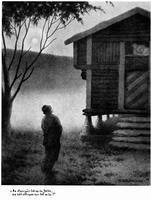
Aa Herregud Lok Op Da Jenter 01
Theodor Severin Kittelsen
Illustration for Alexander Pushkin's 'Fairytale of the Tsar Saltan'
Ivan Bilibin