Jutulkamp
Analisi esperta di Jutulkamp di Theodor Severin Kittelsen
Stile: Neo-Romanticism · Genere: mythological painting
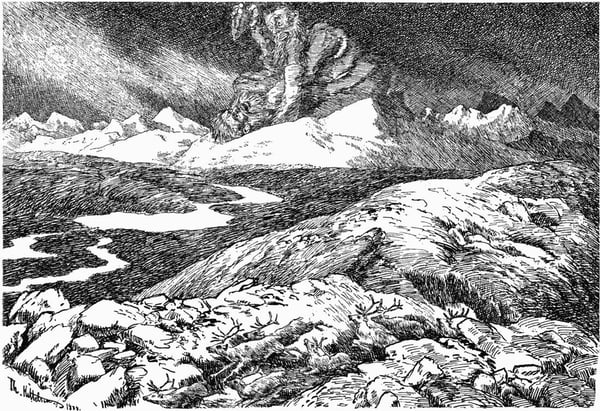
Based on the provided facts, Theodor Severin Kittelsen’s Jutulkamp is a quintessential example of Neo-Romanticism applied to mythological painting. The work’s significance lies in its fusion of Nordic folklore with the Neo-Romantic preoccupation with sublime, untamed nature and national identity.
Kittelsen, a key figure in Norwegian art, channeled the nation’s ancient sagas and fairy tales into visual form. Jutulkamp (meaning “Battle of the Jotuns” or “Giant Battle”) depicts a mythical struggle between colossal jotuns, creatures from Norse mythology. The painting is significant for how it transforms a traditional mythological subject into a Neo-Romantic landscape drama: the giants are not merely monstrous figures but organic extensions of the rocky, windswept terrain—their bodies blending with the crags and mist. This treatment underscores the Neo-Romantic belief that the natural world is imbued with spiritual and mythic power.
Within the period, Jutulkamp stands out for its atmospheric tension and almost melancholic grandeur, typical of Kittelsen’s best work. Rather than heroic struggle, the painting evokes an eternal, lonely conflict between primeval forces, reflecting the Neo-Romantic allure of the mythical past as a window into a nation’s soul. It is a masterpiece of Norwegian cultural heritage, securing Kittelsen’s legacy as the visual bard of Norse myth.
Visivamente simili
20 opere con composizione e palette affini
The Life of St. Ignatius Loyola. Plate 3. The vision at the River Cardoner (Manresa).
Carlos Saenz de Tejada
The road in the Sinai after the storm
Karl Bryullov
Genesis
Charles E. Burchfield
Thoughts of fire
Nicholas Roerich
Boundary of kingdoms
Nicholas Roerich
Atlantis
Konstantin Bogaevsky
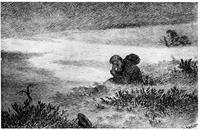
Peer Gynt 11
Theodor Severin Kittelsen
The Lustful
Gustave Dore
The Lonely Tower
Samuel Palmer
Sunlight Through a Cloud
Roderic O'Conor
Arcadian landscape
Esaias van de Velde
Kalki Avatar
Nicholas Roerich
Fear
Odilon Redon
Untitled
Marianne von Werefkin
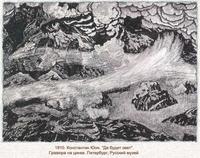
So be light
Konstantin Yuon
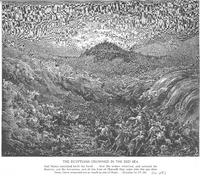
The Egyptians Drown in the Sea
Gustave Dore
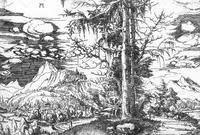
Landscape
Albrecht Altdorfer
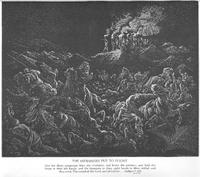
The Midianites Are Routed
Gustave Dore
Hymn (II)
Mikalojus Konstantinas Ciurlionis
Daniel's Vision of the Four Beasts
Gustave Dore