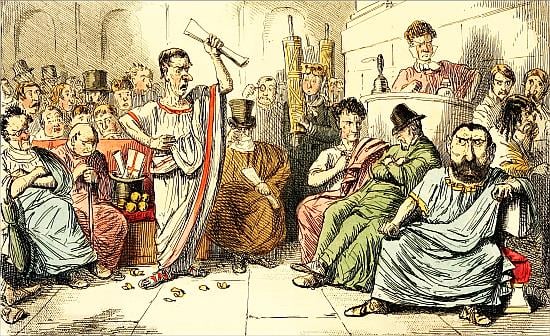
Cicero denouncing Catiline
Ayrıntılar
John Leech sanatçısının Cicero denouncing Catiline eseri hakkında uzman analizi
Tarz: Romanticism · Tür: illustration
The artwork "Cicero denouncing Catiline" by John Leech is a significant example of Romanticism applied to the genre of illustration. Its importance lies in how it synthesizes the Romantic fascination with heroic historical drama and intense moral conflict within the accessible medium of book or print illustration.
Significance within the Romantic style:
- Romanticism prized the depiction of powerful emotional states and epic historical moments. Leech captures the climax of the Catilinarian conspiracy—the moment Cicero, as consul, publicly exposes Catiline’s treason in the Senate. This subject aligns perfectly with Romanticism's love for heroic individuals standing against corruption and chaos.
- The composition likely emphasizes dynamic gesture and stark contrasts (light/dark, virtue/treachery) to heighten the theatrical tension, a hallmark of Romantic visual storytelling. Cicero’s denunciation is rendered not as a static historical record, but as a living, emotionally charged scene meant to stir the viewer’s sympathy for republican virtue.
Significance within the illustration genre:
- As an illustration, the work demonstrates how Romantic ideals permeated popular visual culture. Leech, best known as a Punch caricaturist, here applies a more serious, elevated tone to suit a classical subject, showing the versatility of the illustration form. The image functions both as a narrative aid and as an independent symbol of moral rectitude, speaking to contemporary 19th-century concerns about political integrity and leadership.
In summary, this work is significant for blending Romanticism’s dramatic intensity with the narrative clarity of illustration, creating a powerful visual argument about courage and justice—a theme that resonated deeply in the Romantic era's engagement with history as a source of moral lessons.
Tür
Stil
Görsel olarak benzer
İlişkili kompozisyon ve renk paletine sahip 20 eser
Tarquinius Superbus makes himself King
John Leech
Debtor and Creditor. Seizure of Goods for a Debt
John Leech
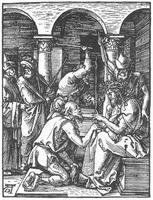
Christ Being Crowned with Thorns
Albrecht Durer
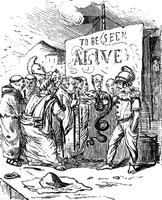
The Ambassadors purchasing Æsculapius
John Leech
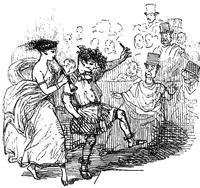
Appearance in the Senate of a young Nobleman, named Meto
John Leech
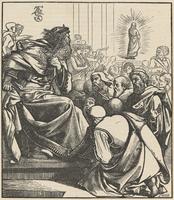
The King at the Gate
Frederick Sandys
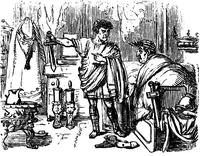
Titus threatening Pomponius
John Leech
Christ Presented To The People
Gustave Dore
St. Paul At Ephesus
Gustave Dore
St. Paul Preaching To The Thessalonians
Gustave Dore
Detail of the Dispute of the Sacrament of Raphael
Giovanni Battista Piranesi
Christ among the Doctors in the Temple
Albrecht Durer
Hannibal, whilst even yet a Child, swears Eternal Hatred to the Romans
John Leech
Flaminius Restoring Liberty to Greece at the Isthmian Games
John Leech
The story of the greatest nations
Edward Poynter
The Buyers And Sellers Driven Out Of Temple
Gustave Dore
The Descent of the Holy Spirit
Albrecht Durer
The Judgment of Solomon
Gustave Dore
Self-possession of Fabricius, the Ambassador, under rather Trying Circumstances
John Leech
Deborah, engraved by Ettlin
Gustave Dore