Analisi esperta di The Mother of the Gracchi di John Leech
Stile: Romanticism · Genere: illustration
Expert Analysis: "The Mother of the Gracchi" by John Leech
Significance within Romanticism and Illustration
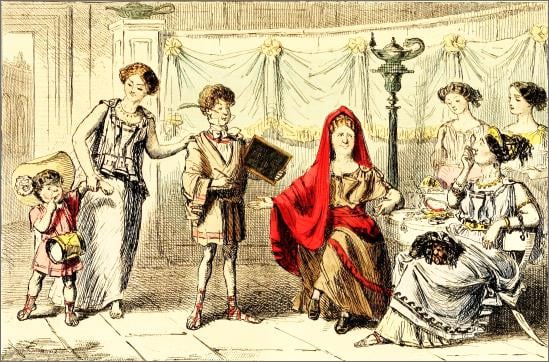
John Leech’s The Mother of the Gracchi exemplifies how Romantic-era illustration could distill complex historical and moral ideals into an accessible, emotionally resonant image. The work draws on the well-known story of Cornelia, the Roman matron who, when asked to display her finest jewels, presented her sons—the future reformers Tiberius and Gaius Gracchus—declaring them her true treasures. This theme of virtuous motherhood and civic duty aligns perfectly with Romanticism’s reverence for classical heroism, personal sacrifice, and the elevation of moral character over material wealth.
As an illustration, Leech’s piece was likely intended for a popular publication, bringing high-minded Romantic themes to a broader audience. The composition typically centers on Cornelia’s gesture of presentation, her maternal pride rendered with gentle dignity, while the sons appear as embodiments of youthful potential. Leech, best known for his gentle satires in Punch magazine, here adopts a more earnest, idealizing tone—demonstrating Romanticism’s range from the sentimental to the sublime. The work is significant because it bridges the gap between fine art’s classical revival and the mass-market illustration that would define Victorian visual culture, using a Romantic lens to celebrate domestic virtue as a cornerstone of civic greatness.
Genere
Stile
Visivamente simili
20 opere con composizione e palette affini
Don Quixote
Gustave Dore
Even so he cannot make her out
Francisco Goya
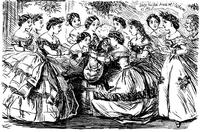
UNDER THE MISTLETOE
John Leech
Taste in High Life
William Hogarth
Nuccia accepts Meo Patacca for her husband (Plate 52/52)
Bartolomeo Pinelli
Illustration to "A Week of Kindness"
Max Ernst
What are you looking for here, Philosopher?
Paul Gavarni
Story Le Rubis Du Grand-lama
Edouard Riou
Erin Nuremberg and Venetian
Albrecht Durer
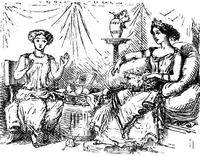
Miss Fabia, the Younger, astonished at the Patrician's Double-knock
John Leech
Marie Zu Hohenlohe
Wilhelm von Kaulbach
Illustration to "A Week of Kindness"
Max Ernst
Don Quixote
Gustave Dore
Don Quixote
Gustave Dore
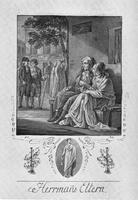
"Hermann und Dorothea", plate 4
Franz Ludwig Catel
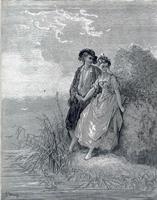
Tircis and amaranth
Gustave Dore
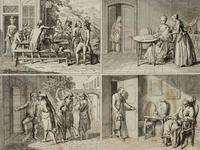
The Imprudence of the Second Youth, Plate 51
Daniel Chodowiecki
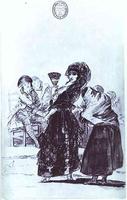
Old Beggar with a Maja
Francisco Goya
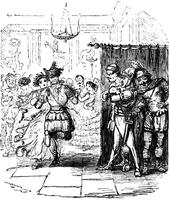
Mrs. Sextus consoles herself with a Little Party
John Leech
Cabinet Junto
Paul Revere