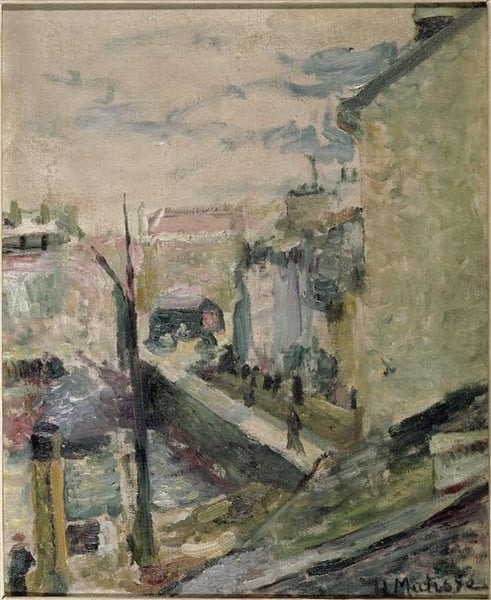
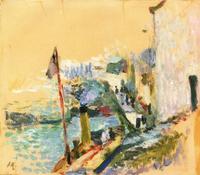
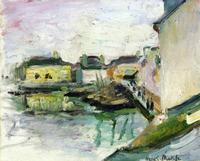
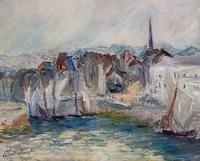
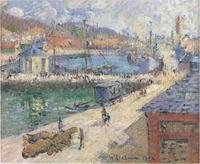
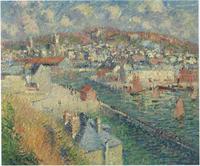
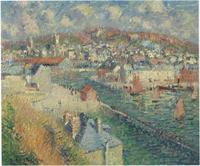
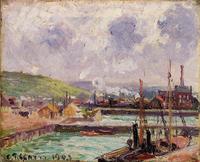
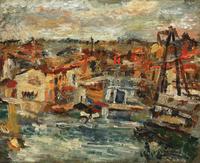
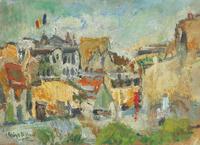
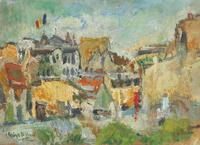
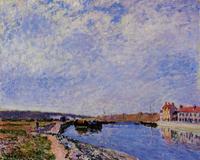
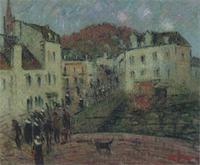
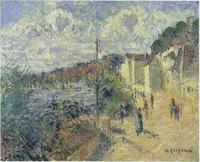
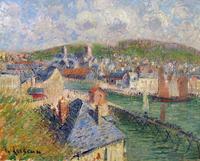
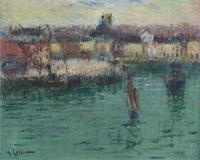
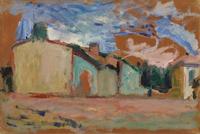
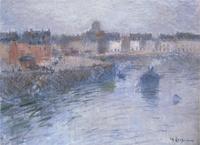
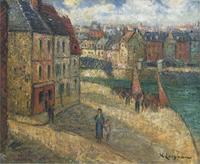
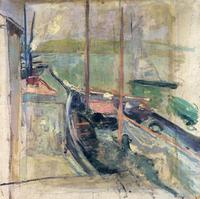
Based solely on the provided facts—that "Belle Ile" is an Impressionist cityscape by Henri Matisse—the artwork is significant as a transitional work that bridges Impressionism's core concerns with Matisse's emerging sensibility. Although Matisse is more commonly associated with Fauvism, this piece aligns with Impressionist principles through its focus on capturing the transient effects of light and atmosphere over the coastal topography of Belle Île. The genre of cityscape, applied to an island locale, expands the typical urban subject matter of Impressionism, suggesting an interest in how built and natural environments interact under shifting conditions of weather and time. The work's significance lies in its demonstration of Matisse's early mastery of broken brushwork and luminous color harmonies typical of the style, even as it hints at the heightened chromatic intensity that would come to define his later work.