Analisi esperta di Clown di Nicolae Tonitza
Stile: Post-Impressionism · Genere: portrait
Expert Analysis of "Clown" by Nicolae Tonitza
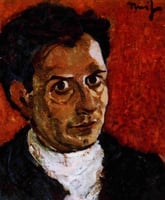
Nicolae Tonitza’s "Clown" exemplifies the artist’s distinctive contribution to Post-Impressionist portraiture, particularly within the context of early 20th-century Romanian modernism. Executed in a style that bridges the emotional expressiveness of Post-Impressionism with a sensitive, almost melancholic humanism, the work transcends mere depiction to probe the psychological depth of its subject.
Significance within Post-Impressionism:
Tonitza’s palette and brushwork in "Clown" echo the Post-Impressionist emphasis on subjective color and form over naturalistic representation. The clown—a classic motif of the performer as outsider—is rendered with a deliberate flattening of space and a muted, earthy tonality that contrasts with the vibrant, often theatrical associations of the subject. This restraint reflects the artist’s move away from the bright Impressionist palette toward a more introspective, symbolic use of color, a hallmark of late Post-Impressionism that prioritizes emotional resonance over optical fidelity.
Psychological Depth in Portraiture:
Unlike many anonymous or caricatured clowns of the period, Tonitza’s portrait imbues the figure with a profound sense of solitude. The downcast eyes, the slight asymmetry of the painted face, and the subdued lighting suggest a narrative of hidden sorrow—a nod to the tradition of the triste clown that runs from Watteau’s Gilles to Picasso’s harlequins. Tonitza achieves this not through explicit symbolism, but through the very Post-Impressionist technique of exaggerating or softening contours to evoke mood.
Cultural and Historical Context:
As a leading figure in Romanian modernism, Tonitza often focused on the dignity of ordinary people and marginalized figures. "Clown" can be read as a commentary on the performative nature of identity itself—a theme that resonates with interwar existential anxieties. The work’s significance lies in its ability to speak to universal human experience while remaining firmly rooted in the stylistic innovations of its time: a Post-Impressionist portrait that uses the genre’s liberated color and form to uncover the personal behind the persona.
Visivamente simili
20 opere con composizione e palette affini
Girl in Profile
Gwen John
Woman with Hands Crossed
Gwen John
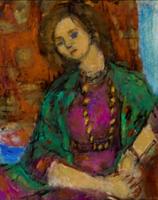
Czóbel Béla Mimi
Bela Czobel
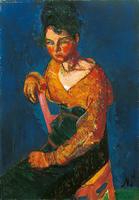
The Little Seamstress
Matthew Smith
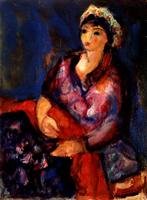
Oriental Woman
Alexander Bogen
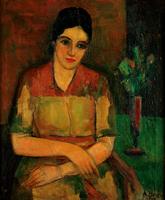
The Artist's Wife
Alexander Bogen
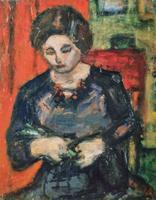
Czóbel Béla Ülő Nő.
Bela Czobel
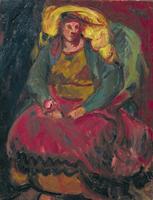
Vera Cuningham in a Chair
Matthew Smith
Girl in Pink Bluse
Bela Czobel
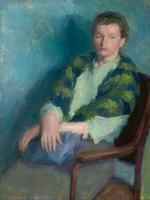
Berény Róbert, Hölgy Zöld Csikos Sállal
Berény Róbert
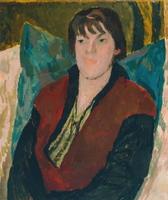
Helen Dudley
Vanessa Bell
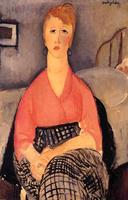
Pink Blouse
Amedeo Modigliani
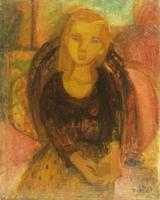
Modok Mária, Fekete Blúzos Nő
Modok Mária
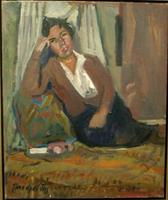
On a couch
George Mavroides
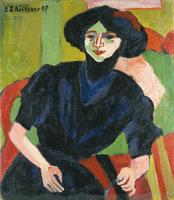
Portrait of a Woman
Ernst Ludwig Kirchner
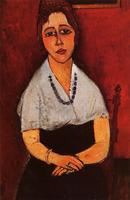
Elena Picard
Amedeo Modigliani
Czóbel Béla Nöi Portré
Bela Czobel
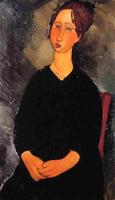
Little Serving Woman
Amedeo Modigliani
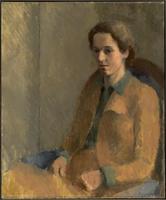
Miss Anne Popham
Graham Bell
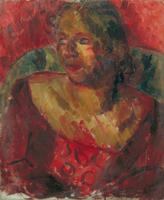
Vera Cuningham. Head and Shoulders
Matthew Smith