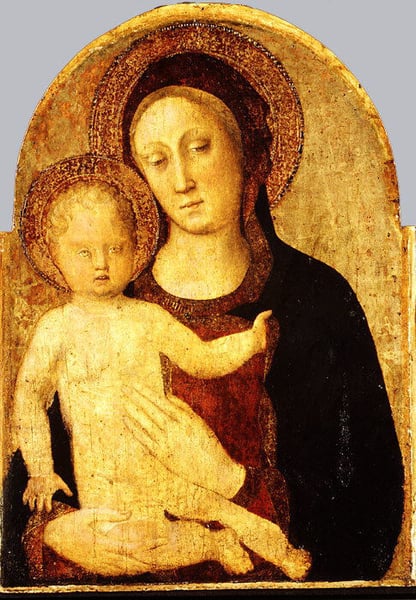
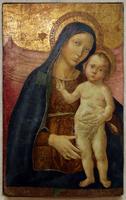
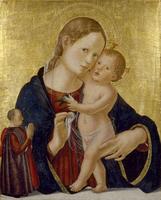
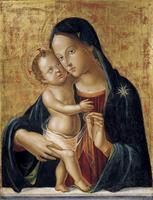
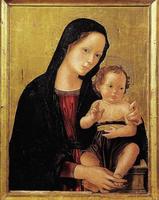
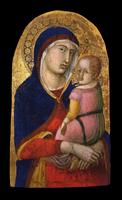
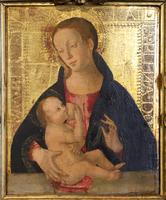
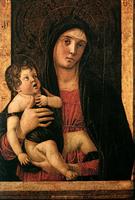
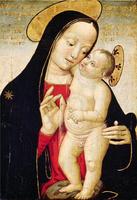
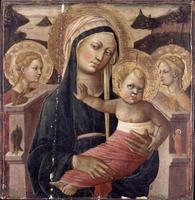
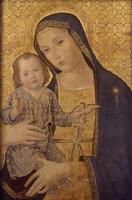
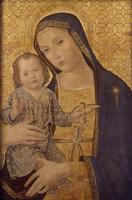
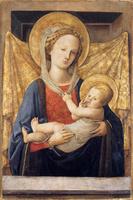
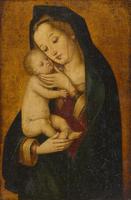
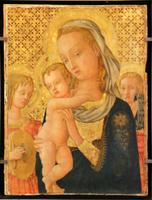
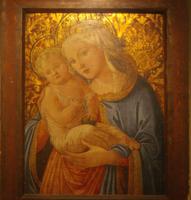
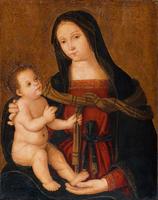
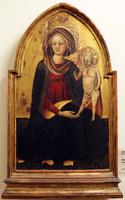
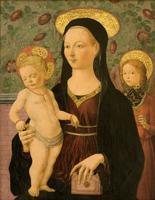
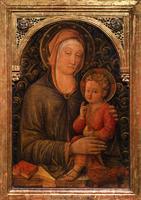
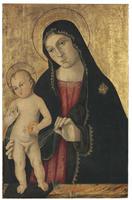
Given the supplied facts—Jacopo Bellini, Early Renaissance, religious painting—the significance of Madonna and Child lies in its transitional role within the period. Bellini was a key figure bridging the late Gothic ornamental tradition with the emerging naturalism of the Early Renaissance. His treatment of the Madonna and Child subject would have emphasized human tenderness (a hallmark of early Renaissance devotional painting) while retaining a refined, linear elegance inherited from Gothic art.
The work is significant because Jacopo Bellini is recognized as a foundational teacher for his sons, Gentile and Giovanni Bellini, who later defined Venetian Renaissance painting. Thus, this piece represents a crucial step in the evolution of religious imagery toward greater spatial realism, psychological intimacy, and the integration of sacred figures into believable, earthly settings—all while strictly adhering to the stylistic parameters of the Early Renaissance.