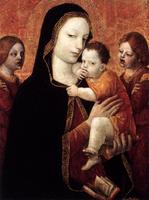
Expert Analysis: "Virgin with Child" by Jacopo Bellini
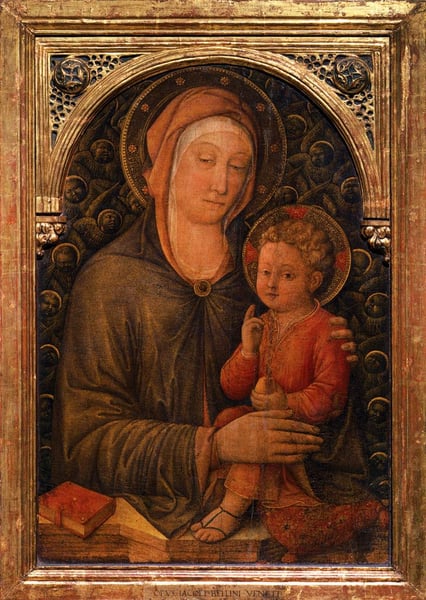
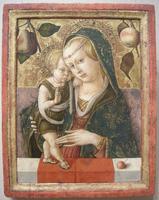
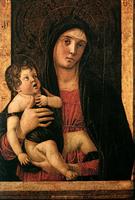
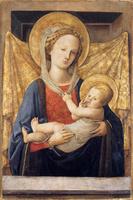
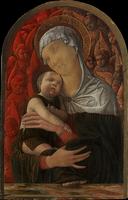
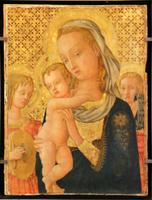
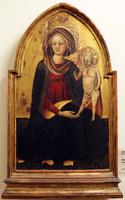
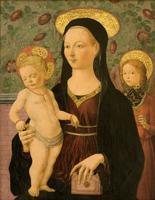
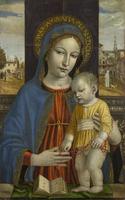
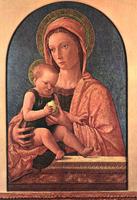
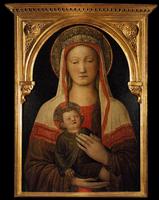
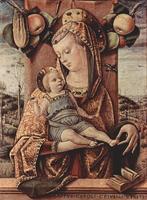
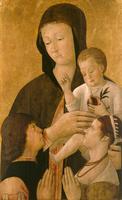
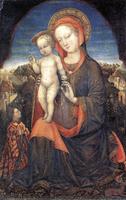
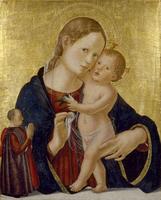
As a work of the Early Renaissance and a religious painting, Jacopo Bellini’s Virgin with Child occupies a crucial transitional moment in Western art. While the subject—the Madonna and Christ Child—is a staple of Christian iconography, Bellini’s treatment reveals the evolving values of the early 15th century. The painting’s significance lies not in radical innovation but in its role as a bridge between the lingering medieval International Gothic style and the emerging Renaissance emphasis on naturalism, spatial logic, and human emotion.
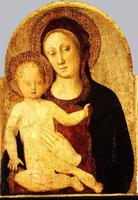
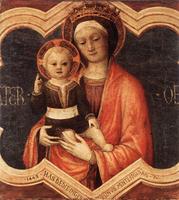
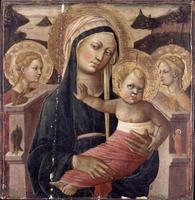
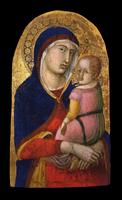
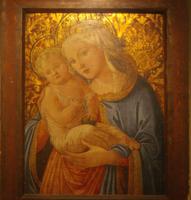
Bellini was a foundational figure in the Venetian school, and this work exemplifies his efforts to move beyond the flat, gold-ground hieratic forms of Byzantine and Gothic tradition. The composition likely shows a more intimate, tender interaction between mother and child, replacing the remote, symbolic “Throne of Wisdom” with a palpable sense of human connection. The use of soft light, gentle modeling of drapery, and careful attention to the Christ Child’s anatomy signals an interest in observed reality—a hallmark of Early Renaissance humanism.
Moreover, Bellini’s influence as a teacher (his sons Gentile and Giovanni, and his son-in-law Andrea Mantegna would become titans of the Renaissance) means that this painting is not only a devotional image but a seminal artifact of a stylistic shift. Its significance lies in how it quietly introduces perspective, volumetric form, and emotional accessibility into a traditional sacred theme, laying groundwork for the Venetian High Renaissance that would soon flourish.