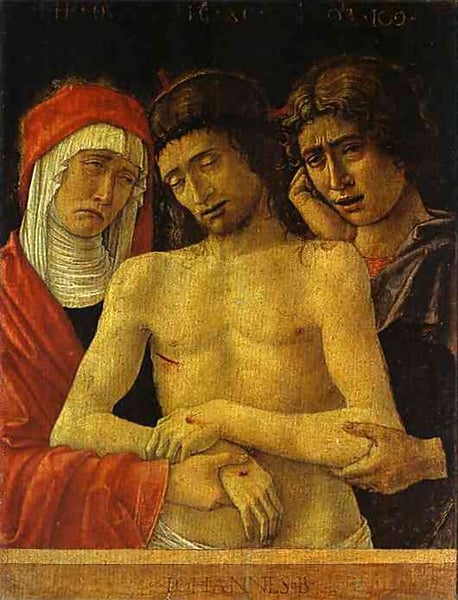
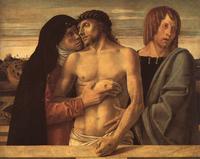
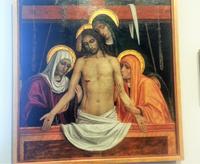
Analysis of "Pieta with the Virgin and St. John the Evangelist" by Giovanni Bellini
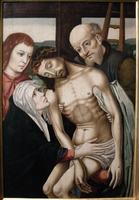
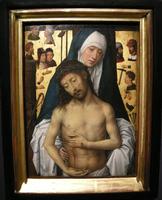
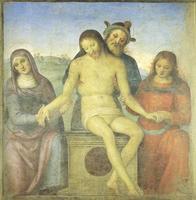
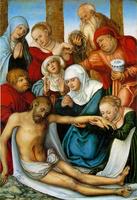
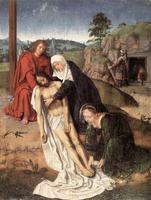
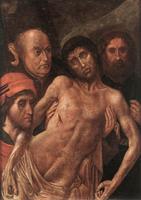
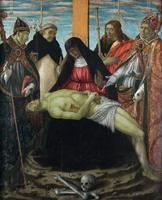
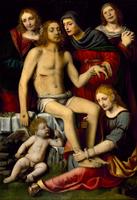
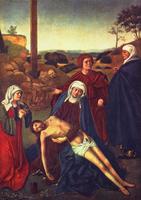
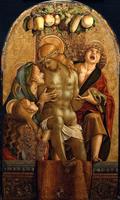
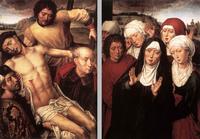
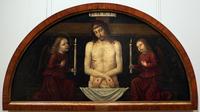
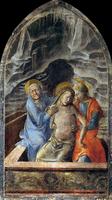
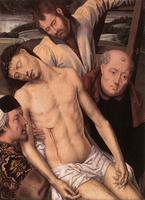
Based solely on the provided structured facts—that this is a religious painting from the Early Renaissance by Giovanni Bellini—the work’s significance can be understood through its role within the era’s devotional art. The Pieta subject (the Virgin Mary and St. John mourning the dead Christ) was a common vehicle for exploring human emotion within a sacred context. Bellini, as a leading Early Renaissance artist, would have brought to this piece the period’s hallmark qualities: a shift toward naturalistic figures, harmonious composition, and a lyrical use of light and color to convey spiritual tenderness. The inclusion of St. John the Evangelist emphasizes the intimate, sorrowful dialogue between grief and faith. Without additional specific facts, the work’s importance lies in its embodiment of Early Renaissance ideals—balancing divine narrative with accessible humanity—and in Bellini’s masterful integration of landscape and emotion, which elevated the religious genre from iconic symbol to poignant, relatable scene.