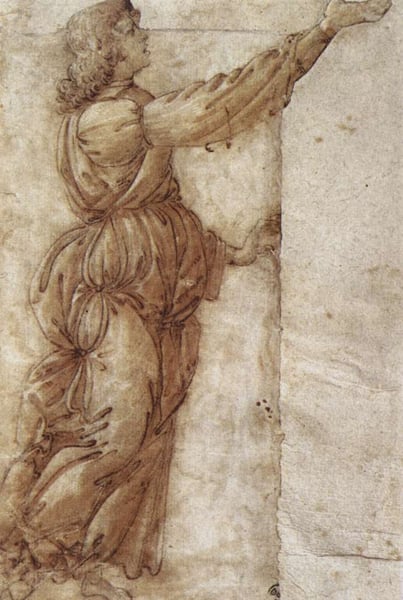
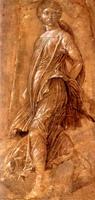
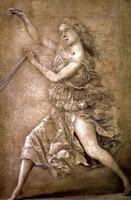
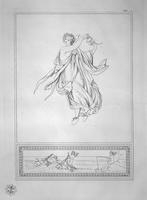
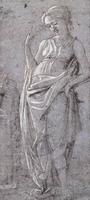
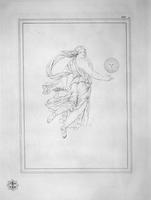
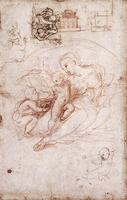
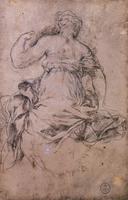
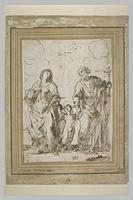
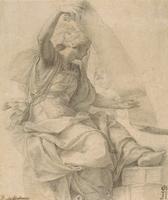
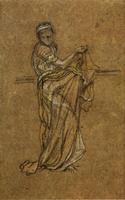
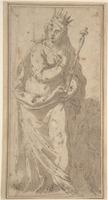
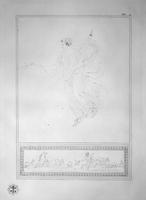
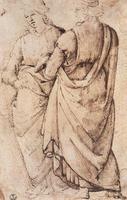
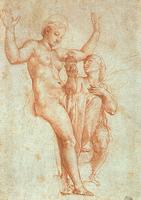
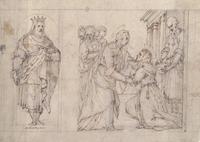
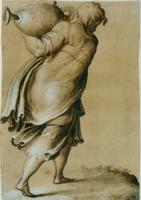
Based solely on the provided facts—that the artwork is Angel by Sandro Botticelli, an Early Renaissance religious painting—its significance can be understood within the context of the period’s evolving approach to sacred subjects. As a religious painting from the Early Renaissance, the work likely reflects a departure from the flattened, symbolic forms of medieval art toward a more naturalistic and human-centered spirituality. Botticelli’s treatment of an angel would emphasize graceful lines, delicate features, and a serene, otherworldly beauty that harmonizes divine grace with human sensibility. Within Botticelli’s oeuvre, such angelic figures are celebrated for their lyrical elegance and emotional tenderness—hallmarks that helped define the lyrical idealism of early Florentine Renaissance art. Without additional details, the work’s significance rests on its embodiment of these stylistic and devotional shifts.