Expertenanalyse zu Edouard Manets Plum
Stil: Impressionism · Genre: genre painting
Expert Analysis of Édouard Manet’s Plum (c. 1877–78)
Style & Context:
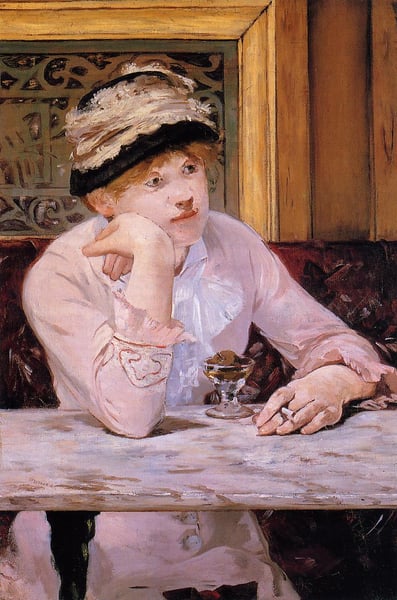
Though often grouped with the Impressionists, Manet remained a pivotal transitional figure whose work bridged Realism and Impressionism. Plum (also known as The Plum or La Prune) exemplifies his fascination with modern Parisian life—a core concern of the Impressionist movement—yet it retains a distinct psychological stillness that sets it apart from the plein-air spontaneity of his contemporaries.
Genre & Composition:
As a genre painting, Plum portrays an everyday scene: a solitary woman seated at a café table, a glass of plum brandy before her. But Manet transforms this ordinary moment into a study of alienation and urban ennui. The subject’s blank, inward gaze and the stark diagonal of the tabletop create a sense of detachment. The drink itself—a prune (plum brandy)—was a working-class tipple, grounding the scene in the social realities of the Third Republic’s café culture.
What Makes It Significant:
- Psychological Modernity: Unlike the cheerful, sociable café scenes of Renoir or Degas, Manet’s Plum offers a quiet, almost melancholic portrait of solitude. The woman is physically present but emotionally absent—a precursor to the existential themes of later modernism.
- Daring Flatness: The lemon on the saucer and the curved glass are rendered with bold, simplified outlines and minimal modeling, flattening the picture plane. This rejection of academic illusionism anticipates the Post-Impressionist and even Cubist concern with surface structure.
- Ambiguous Narrative: Manet leaves the woman’s story unresolved. Is she waiting? Daydreaming? The title refers to the drink, not the person, shifting focus from anecdote to atmosphere—a hallmark of Impressionist subject treatment.
Legacy:
Plum exemplifies Manet’s genius for capturing the ephemeral mood of modern life while asserting the painterly surface itself. It stands as a quiet masterpiece of psychological realism within the Impressionist idiom, bridging the movement’s celebration of light and color with a deeper, more introspective vision of the human condition.
Visuell ähnlich
20 Werke mit ähnlicher Komposition und Farbpalette
The letter
Pierre-Auguste Renoir
Portrait of a Woman
Pierre-Auguste Renoir
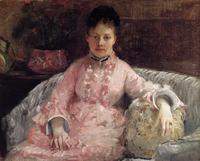
Portrait of a Woman in a pink dress
Berthe Morisot
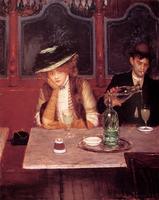
Absinthe drinkers
Jean Béraud
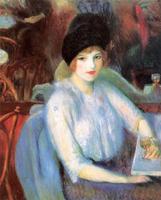
Café Lafayette (Portrait of Kay Laurel)
William James Glackens
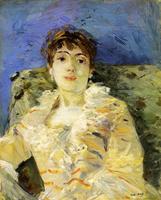
Young Woman on a Couch
Berthe Morisot
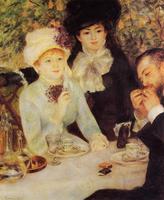
The End of Lunch
Pierre-Auguste Renoir
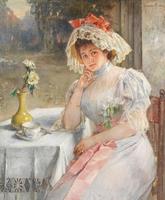
Portrait of a seated lady
Constant Mayer
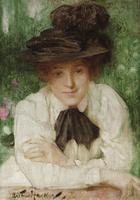
Portrait of an Edwardian Lady
Arthur Hacker
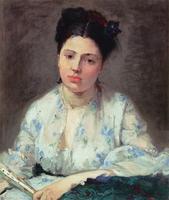
Young Woman
Berthe Morisot
A Woman in an Elegant Interior
James Tissot
Portrait of a woman
Joan Brull
Woman on a Striped Sofa with a Dog
Mary Cassatt
The Parisian Life
Juan Luna
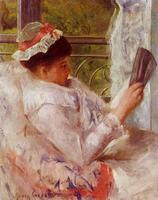
The Reader
Mary Cassatt
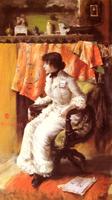
In The Studio
William Merritt Chase
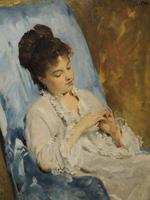
Indifference
Victor Gabriel Gilbert
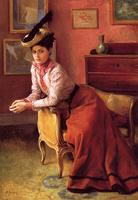
Woman in an Interior
Julius LeBlanc Stewart
Two Girls in Black
Pierre-Auguste Renoir
The Cup of Tea
Mary Cassatt