Expert Analysis: “Adoration of the Shepherds” by Bartolome Esteban Murillo
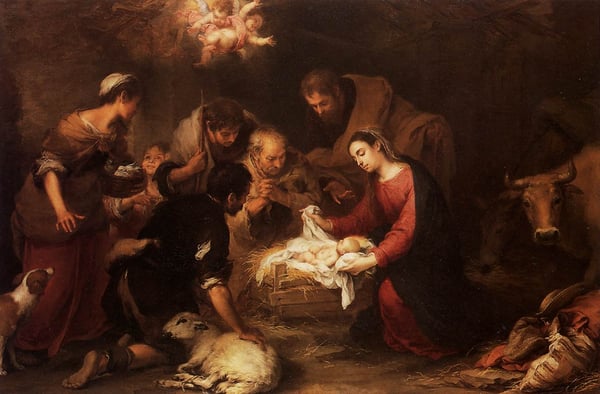
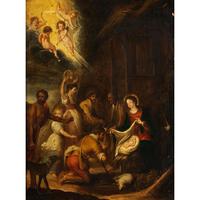
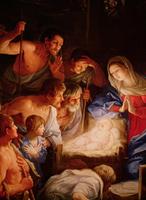
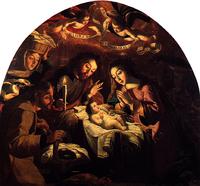
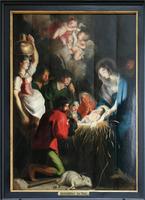
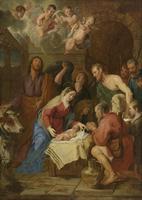
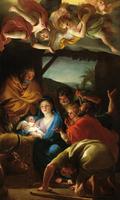
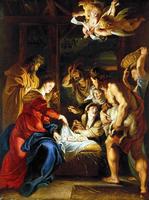
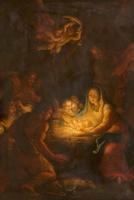
Bartolome Esteban Murillo’s Adoration of the Shepherds stands as a quintessential example of Spanish Baroque religious painting, distinguished by its tender naturalism and accessible piety. While many Baroque artists—most notably Caravaggio—emphasized dramatic chiaroscuro and stark psychological intensity, Murillo softens the contrasts, bathing the scene in a warm, golden glow that radiates from the Christ Child. This luminous effect functions not only to highlight the divine presence but also to create an intimate, almost domestic atmosphere. The shepherds, depicted with rugged, individualized faces and humble postures, are shown in the act of reverent wonder, bridging the sacred and the everyday. Murillo’s genius lies in his ability to infuse a lofty theological subject with genuine human emotion, making the mystery of the Incarnation feel immediate and relatable. The composition draws the eye through the shepherds’ gestures toward the infant Jesus, while the Virgin Mary’s gentle expression and Joseph’s quiet watchfulness anchor the scene in familial tenderness. This work is significant within the Baroque period for its departure from the more severe Counter-Reformation rhetoric of some Spanish contemporaries; instead, Murillo champions a compassionate, accessible faith that would come to define the Seville school and influence generations of religious art.