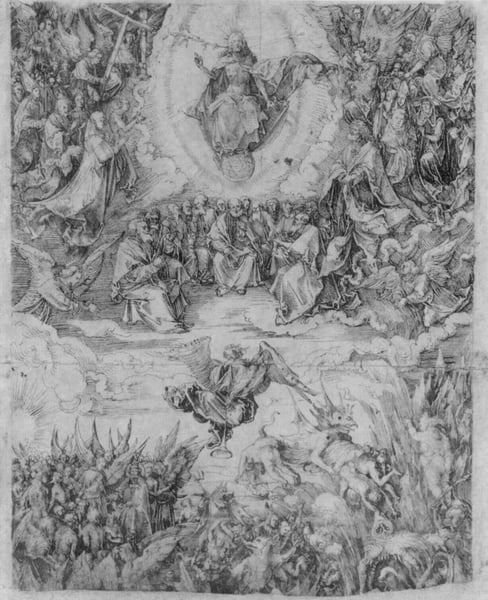
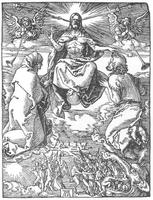
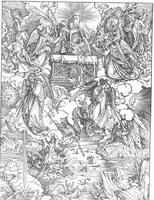
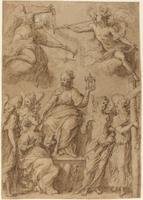
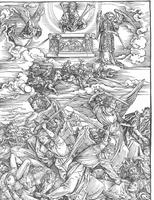
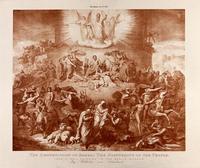
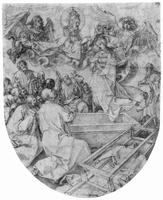
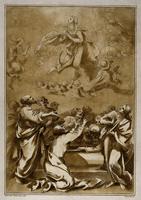
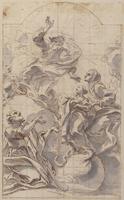
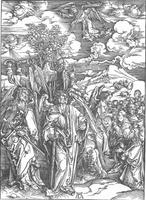
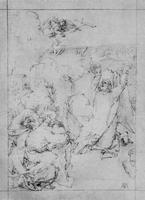
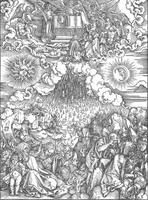
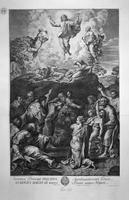
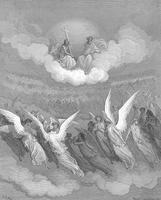
Albrecht Dürer’s Doomsday is a masterful example of Northern Renaissance religious painting, distinguished by its fusion of meticulous naturalism with profound theological symbolism. The work’s significance lies in how Dürer harnesses the period’s characteristic attention to texture, light, and emotional detail to render the apocalyptic vision with unprecedented immediacy. By grounding the supernatural subject in recognizable, gritty human forms and landscape elements—a hallmark of Northern Renaissance technique—he transforms a medieval theme into a deeply personal, moral encounter. The composition’s dense symbolism and expressive figures reflect the era’s growing concern with individual salvation and the visual articulation of divine judgment, making Doomsday a pivotal piece that bridges late Gothic spirituality and Renaissance humanism.