
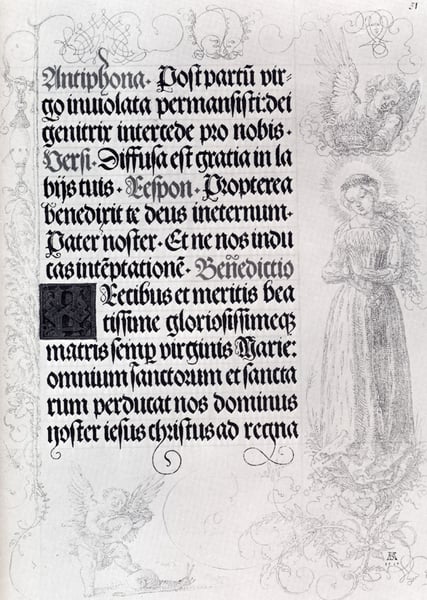
Pages Of Marginal Drawings For Emperor Maximilian`s Prayer Book
Dettagli
Analisi esperta di Pages Of Marginal Drawings For Emperor Maximilian`s Prayer Book di Albrecht Durer
Stile: Northern Renaissance · Genere: miniature
Expert Analysis: "Pages Of Marginal Drawings For Emperor Maximilian`s Prayer Book" by Albrecht Dürer
Albrecht Dürer’s marginal drawings for Emperor Maximilian I’s prayer book stand as a landmark of Northern Renaissance miniature art, demonstrating the period’s fascination with intricate detail, naturalistic observation, and the playful fusion of sacred and secular imagery. Executed in pen and ink on the printed margins of the emperor’s personal devotional text, these drawings were never meant for publication but as a unique, intimate gift—a visual dialogue between the artist and his patron.
Significance within the Northern Renaissance and the Miniature Genre
What makes this work profoundly significant is Dürer’s radical reimagining of the prayer book’s margins. Traditionally, such margins were ornamented with purely decorative or religious motifs. Dürer instead populated them with a vibrant, often whimsical universe: animals, insects, plants, putti, mythological creatures, and everyday objects—all rendered with the precision and lifelike observation characteristic of Northern Renaissance art. Each drawing is a miniature masterpiece of linework, where the artist’s control over hatching and cross-hatching creates volume, texture, and movement on a tiny scale.
The work exemplifies the Northern Renaissance’s synthesis of late Gothic expressive detail with emerging humanist ideas. Dürer’s marginalia do not simply embellish the text; they interact with it, sometimes commenting on or subverting the solemn liturgical passages. This interplay reflects the humanist interest in the relationship between word and image, as well as the courtly culture of Maximilian I, who prized wit, learning, and personal artistic patronage.
Moreover, these drawings showcase Dürer’s unparalleled skill as a draftsman. Unlike a finished painting, the marginalia retain the spontaneity of a sketch, offering insight into the artist’s creative process. Their survival as a cycle—over forty pages—provides a unique window into Dürer’s imagination and his ability to elevate a functional book into a work of art that blurs the line between devotion, entertainment, and intellectual play.
In the context of the miniature genre, Dürer’s prayer book drawings push the boundaries of scale and function. While miniatures in manuscripts were typically polished and decorative, Dürer’s are intimate, almost private, yet monumental in their artistic ambition. They remain a testament to how Northern Renaissance artists redefined the book as a canvas for personal expression, foreshadowing later developments in printmaking and graphic art.
Museum / Gallery
Visivamente simili
20 opere con composizione e palette affini
Pages Of Marginal Drawings For Emperor Maximilian`s Prayer Book
Albrecht Durer
Prayer of David
Limbourg brothers
Saint Matthew
Limbourg brothers
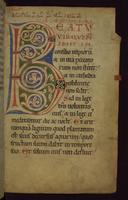
Decorated initial "B"
Claricia
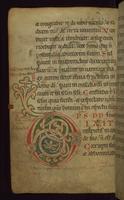
Decorated initial "D"
Claricia
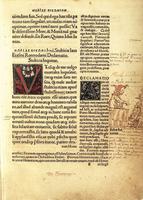
Folly at the Lectern
Hans Holbein the Younger
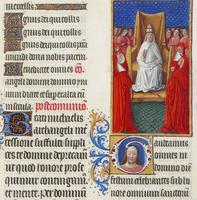
The Pope and His Cardinals
Limbourg brothers
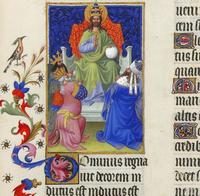
God Reigns Over All the Earth
Limbourg brothers
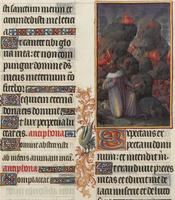
Psalm XXXIX
Limbourg brothers
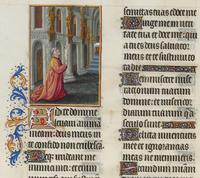
Psalm XXIV
Limbourg brothers
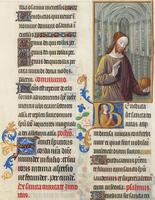
Christ Blessing the World
Limbourg brothers
David Foresee the Coming of Christ
Limbourg brothers
Psalm LVI
Limbourg brothers
Historiated initial "D" with Orant
Claricia
Page from Farnese Hours
Giulio Clovio
Salva me
Claricia
Pages from Farnese Hours
Giulio Clovio
Psalm CXXX
Limbourg brothers
Psalm VI
Limbourg brothers
Hezekiah's Canticle
Limbourg brothers