Expert analysis of Albrecht Durer’s Portrait of Maximilian I
Style: Northern Renaissance · Genre: portrait
Expert Analysis: Portrait of Maximilian I
Albrecht Dürer (Northern Renaissance, c. 1519)
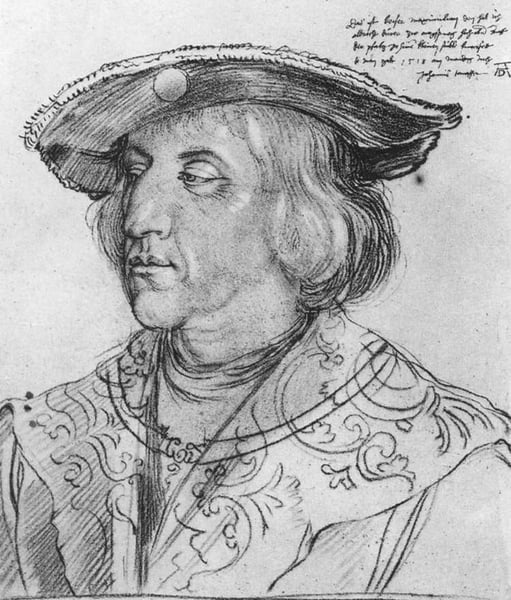
Dürer’s Portrait of Maximilian I stands as a defining work of the Northern Renaissance, merging meticulous naturalism with the political imperatives of imperial portraiture. The subject, Holy Roman Emperor Maximilian I, is depicted with unflinching realism—his lined face, prominent nose, and slightly asymmetrical features are rendered without idealization, reflecting the Northern European commitment to empirical observation. Yet this exacting detail serves a larger purpose: the portrait functions as a tool of statecraft. Maximilian, a prolific patron and propagandist, commissioned multiple portraits from Dürer to project authority and legitimacy across his vast domains.
The painting’s significance lies in its synthesis of two traditions. Dürer, who traveled to Italy and absorbed Renaissance principles of proportion and composition, here applies them to a Northern sensibility. The three-quarter pose and direct gaze engage the viewer, while the sumptuous fur collar and gold-embroidered cap signal wealth and status. At the same time, the emperor’s hands—resting on a ledge—echo the donor-portrait conventions of Northern altarpieces, grounding the image in devotional gravity.
Technically, Dürer achieves a remarkable fusion of line and color. The fine brushwork on the fur and the subtle modeling of the skin demonstrate his mastery of oil paint, a medium then evolving in the North. The dark background isolates the sitter, emphasizing his psychological presence—a hallmark of Dürer’s humanist portraiture.
Ultimately, this portrait is significant because it encapsulates the Northern Renaissance’s dual obsession: the faithful rendering of the physical world and the symbolic construction of identity. For Maximilian, it was a weapon of image-making; for art history, it is a testament to Dürer’s ability to marry Northern precision with Renaissance ideals, elevating the portrait to a vehicle of both personal character and imperial power.
Museum / Gallery
Visually similar
20 works with related composition and palette
Portrait Of An Unknown Man
Albrecht Durer
Portrait of a man (Paul Hofhaimer or Hans Tucher)
Albrecht Durer
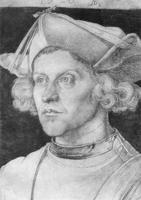
Portrait of a Young Man
Albrecht Durer
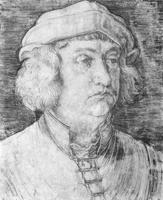
Portrait of a Man (Konrad Peutinger)
Albrecht Durer
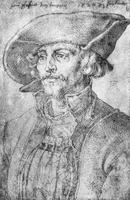
Portrait of Hans Pfaffrot of Gdansk
Albrecht Durer
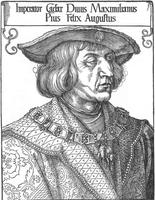
Portrait of Emperor Maximilian I
Albrecht Durer
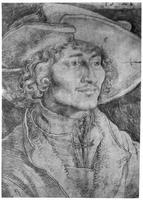
Portrait of a Young Man
Albrecht Durer
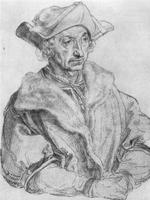
Portrait of a man (Sebastian Brant)
Albrecht Durer
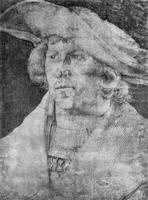
Portrait of a Man
Albrecht Durer
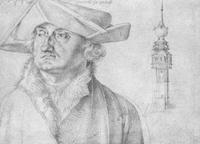
Portrait of Lazarus Ravensburger and the turrets of the court of Lier in Antwerp
Albrecht Durer
Self Portrait
Abraham Storck
Thomas More
Hans Holbein the Younger
Lucas van Leyden
Albrecht Durer
Portrait of a goldsmith from Mechelen
Albrecht Durer
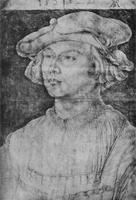
Portrait of Barent van Orley
Albrecht Durer
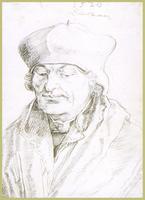
Erasmo De Rotterdam
Albrecht Durer
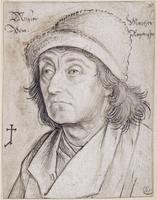
Matthäus Roritzer
Hans Holbein the Elder
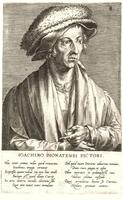
Joachim Patinir
Cornelis Cort
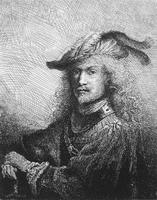
Self-portrait, Known as the Young Warrior
Ferdinand Bol
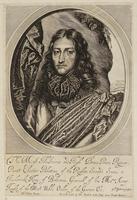
Prinz Rupprecht Von Der Pfalz
William Dobson