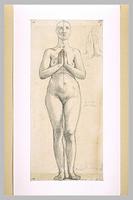
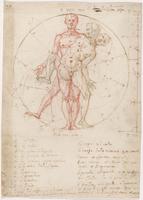
Expert Analysis: "Studies on the Proportions of the Female Body" by Albrecht Dürer
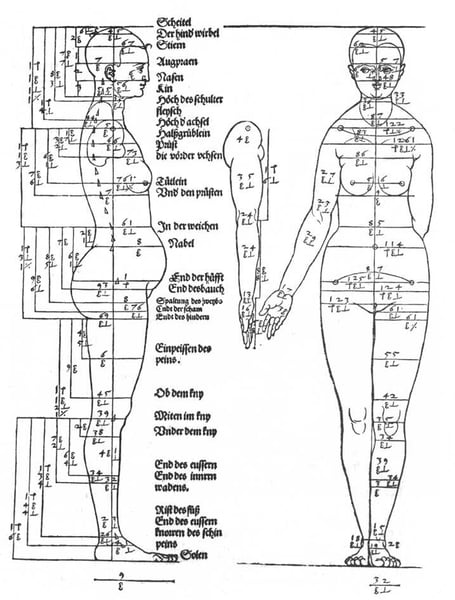
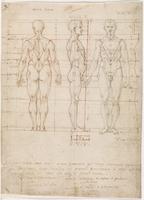
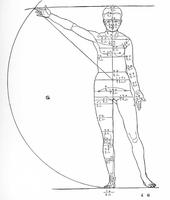
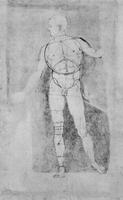
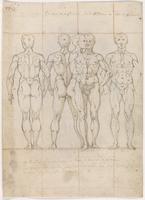
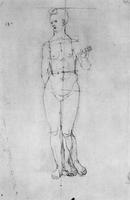
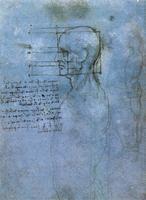
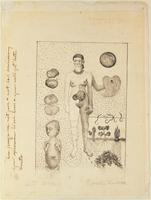
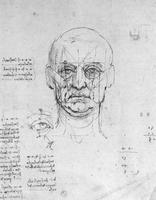
This work, a sketch and study from the Northern Renaissance, is a testament to Albrecht Dürer's pivotal role in bridging the empirical observation of nature with the mathematical ideals of the Italian Renaissance. As a Northern Renaissance artist, Dürer was deeply influenced by his travels to Italy, where he absorbed the classical principles of proportion and harmony championed by figures like Leonardo da Vinci. However, Dürer applied these concepts with the meticulous, almost scientific precision characteristic of Northern European art.
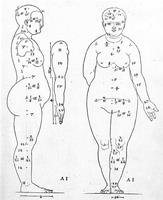
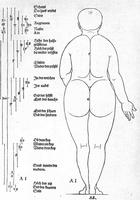
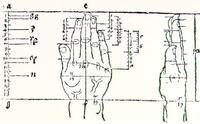
What makes this artwork significant is its dual nature: it is both a practical study for artistic creation and a theoretical treatise. Dürer did not simply copy the female form; he systematically analyzed and codified its proportions, seeking to discover a universal ideal. This approach reflects the Northern Renaissance fascination with detailed observation and the belief that art could be grounded in rational, measurable principles. The fact that it remains a sketch and study—rather than a finished painting—underscores Dürer's role as a theorist and innovator, one of the first artists to systematically publish his findings on human proportion.
In short, this work is significant because it encapsulates Dürer's ambition to elevate Northern art through the integration of classical idealization and empirical realism, laying the groundwork for future generations of artists and anatomists.