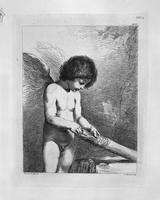
Expert Analysis: "Weeping Angel Boy" by Albrecht Dürer
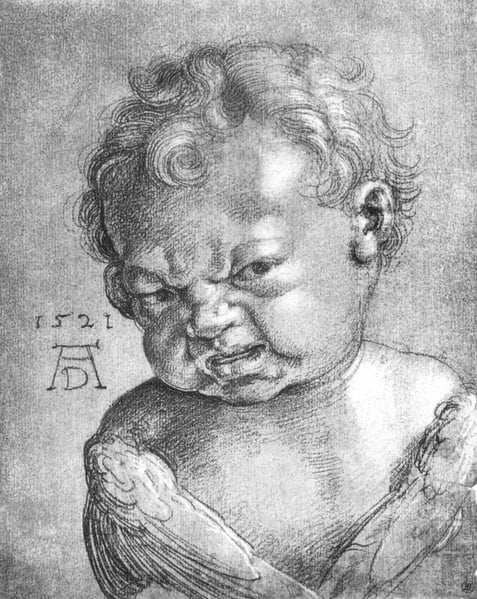
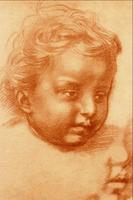
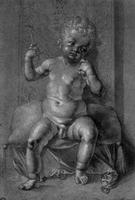
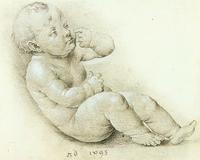
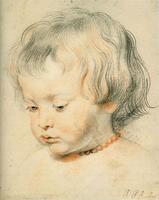
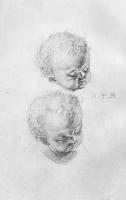
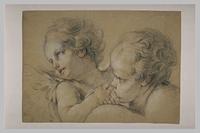
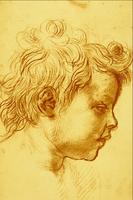
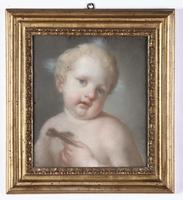
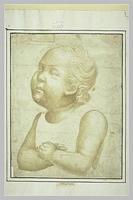
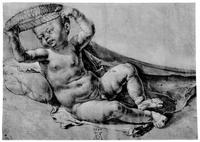
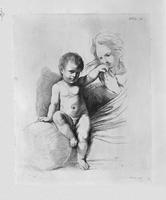
This work, a sketch and study by the Northern Renaissance master Albrecht Dürer, exemplifies the period’s intense focus on naturalism, emotional expression, and meticulous draftsmanship. As a preparatory study—likely for a larger religious composition—it reveals Dürer’s process of capturing raw human emotion through precise, economical linework. The weeping angel boy embodies the Northern Renaissance shift from idealized figures to individualized, psychologically compelling subjects. Dürer’s ability to render grief in the delicate contours of the face and the drooping posture demonstrates his keen anatomical observation, a hallmark of his studies. The piece is significant not only as a rare glimpse into Dürer’s working method but also as a testament to how Northern Renaissance artists elevated the sketch from mere planning tool to an art form in its own right—one that could convey profound spiritual and human depth with astonishing immediacy.