Expertenanalyse zu Gustave Dores Christ Feeding The Multitude
Stil: Romanticism · Genre: religious painting
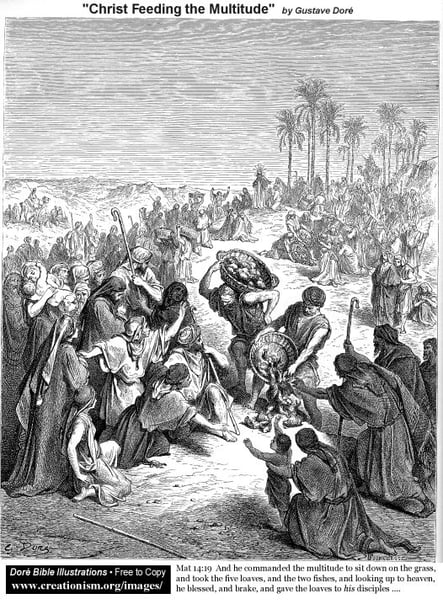
Gustave Doré’s Christ Feeding the Multitude is a masterful synthesis of Romantic drama and religious narrative, distinguished by its monumental scale, theatrical chiaroscuro, and psychological intensity. Painted during the height of the Romantic movement, the work elevates a familiar biblical miracle into a sublime, almost cinematic spectacle—a hallmark of Doré’s style.
Significant elements within Romanticism:
- Expressive lighting: A stark, supernatural radiance emanates from Christ, illuminating the foreground crowd and casting deep, cavernous shadows that amplify the scene’s spiritual awe. This manipulation of light echoes Romanticism’s fascination with the sublime—overwhelming, transcendent power.
- Humanity and scale: Doré contrasts the tiny, anonymous multitude with the commanding figure of Christ, emphasizing both divine authority and human vulnerability. The swirling, densely packed composition (a signature of Doré’s illustrative work) conveys the chaos and desperation of the crowd, heightening the miracle’s emotional impact.
- Dramatic naturalism: While rooted in religious tradition, the painting’s rugged terrain, stormy sky, and gestural figures reflect Romanticism’s turn toward raw nature and intense emotion over classical order.
Significance within Doré’s oeuvre and the genre:
- Doré was primarily known for his book illustrations (e.g., Dante, the Bible), but in this large-scale oil painting he translates his graphic precision into painterly grandeur. The work demonstrates his ability to compress epic storytelling into a single, unified vision—a skill that made his illustrated Bible so influential.
- As a religious painting, it bridges popular devotion and high art. Unlike serene Renaissance treatments of the same subject, Doré’s version foregrounds the miracle’s overwhelming, almost frightening majesty, aligning with Romanticism’s preference for the awesome and the mysterious over the harmonious.
In essence, Christ Feeding the Multitude is significant because it captures the Romantic spirit’s core tension: the human struggle to comprehend the divine, rendered through dramatic light, vast scale, and raw emotional force. It is a vivid example of how Doré, the supreme visual storyteller of his age, transformed a sacred story into a sublime encounter.
Visuell ähnlich
20 Werke mit ähnlicher Komposition und Farbpalette
The Prodigal Son In The Arms Of His Father
Gustave Dore
Entry Of Jesus Into Jerusalem
Gustave Dore
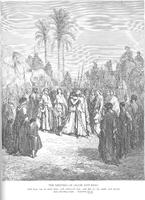
Jacob and Esau Meet
Gustave Dore
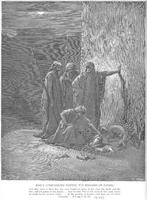
Jehu's Companions Find Jezebel's Remains
Gustave Dore
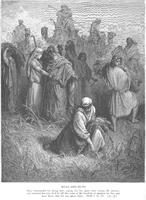
Ruth and Boaz
Gustave Dore
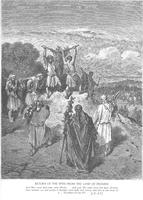
The Spies Return from the Promised Land
Gustave Dore
The Death of Agag
Gustave Dore
The Death of Abimelech
Gustave Dore
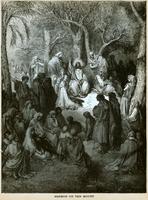
Sermon on the Mount
Gustave Dore
The Benjaminites Take the Virgins of Jabesh gilead
Gustave Dore
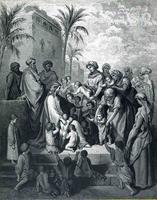
Jesus Blessing the Children
Gustave Dore
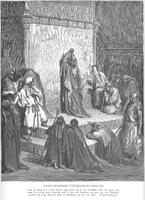
David Mourns the Death of Absalom
Gustave Dore
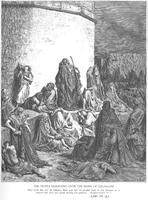
The People Mourning over the Ruins of Jerusalem, Lamentations 1:1-2
Gustave Dore
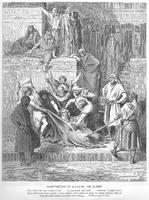
The Martyrdom of Eleazar the Scribe
Gustave Dore
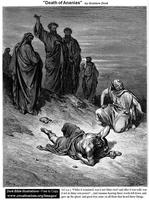
Death Of Ananias
Gustave Dore
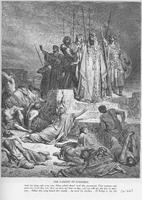
A Famine in Samaria
Gustave Dore
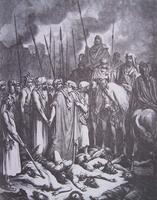
Josué épargne Rahab
Gustave Dore
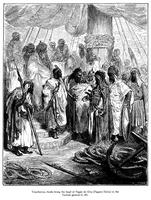
Don Quixote
Gustave Dore
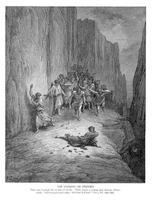
The Stoning of Stephen
Gustave Dore
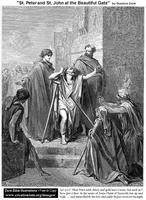
St. Peter And St John At Beautiful Gate
Gustave Dore