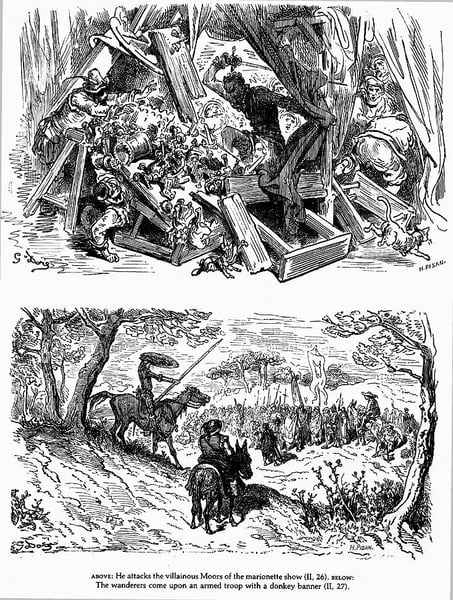
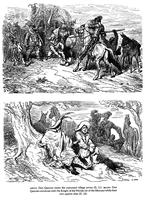
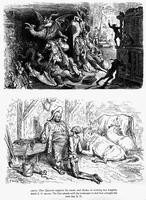
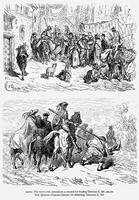
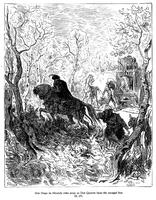
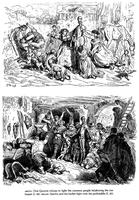
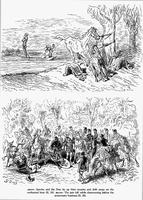
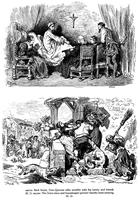
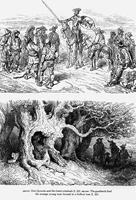
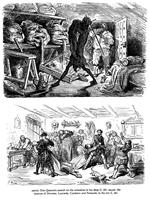
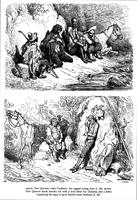
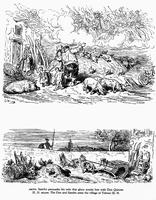
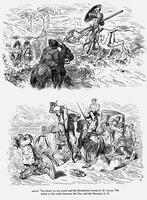
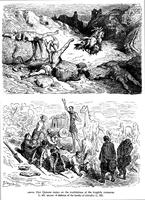
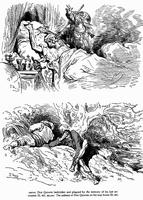
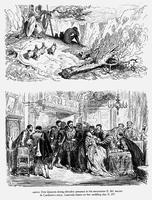
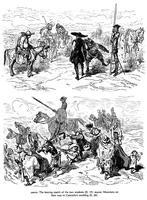
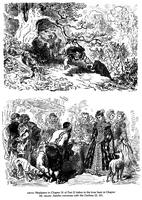
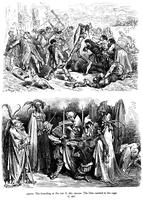
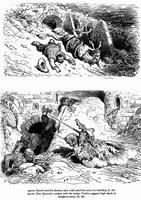
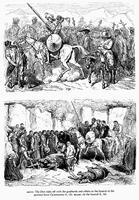
As a defining example of Romanticism in the illustration genre, Gustave Doré's Don Quixote achieves significance through its powerful synthesis of literary narrative and dramatic visual emotion. Within the Romantic period, which prized individual experience, the sublime, and intense feeling, Doré’s illustration elevates the literary source material by imbuing it with a heightened sense of epic struggle and psychological depth. The work is notable for demonstrating how Romantic ideals could be communicated through the traditionally secondary art of illustration, transforming it into a primary vehicle for evoking the grandeur, folly, and pathos inherent in Cervantes' tale. By focusing on the poignant, often tragicomic isolation of its protagonist, the artwork captures the Romantic fascination with the heroic, misunderstood individual, making it a quintessential example of how illustration served to amplify the emotional and philosophical core of literary Romanticism.