
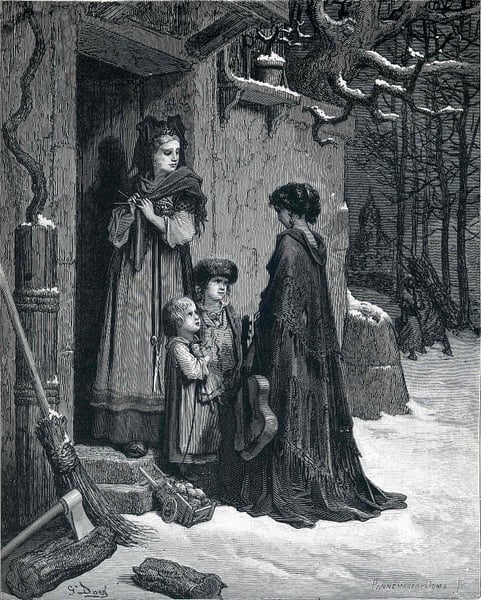
The grasshopper and the ant
Expert analysis of Gustave Dore’s The grasshopper and the ant
Style: Romanticism · Genre: genre painting
Artwork Analysis: "The Grasshopper and the Ant" by Gustave Doré
Style: Romanticism | Genre: Genre Painting
Gustave Doré’s interpretation of this classic fable exemplifies the Romantic spirit through its dramatic intensity and emotional resonance, while remaining firmly within the genre painting tradition by depicting an accessible, everyday moral scene. The work transcends simple illustration by infusing the familiar narrative with heightened pathos and symbolic contrast, hallmarks of Romanticism.
Significance within Romanticism:
- Emotional Contrast: Doré captures the tension between the ant’s industrious foresight and the grasshopper’s carefree vulnerability. The Romantic emphasis on feeling and individual pathos is evident in the grasshopper’s poignant posture—often shown cold, hungry, or pleading—evoking audience sympathy for a character normally dismissed as lazy.
- Dramatic Lighting and Atmosphere: Romantic painters prized chiaroscuro and moody natural light. Doré likely uses deep shadows and a solitary glow to isolate the grasshopper, heightening the sense of impending winter’s cruelty and the emotional weight of consequence.
- Nature as a Force: Romanticism often portrays nature as both sublime and indifferent. The setting—bare branches, snow, or a stark landscape—underscores the harsh realities of the natural world, making the ant’s prudence and the grasshopper’s plight feel universal and timeless.
Significance as Genre Painting:
- Everyday Morality: Genre painting elevates quotidian life and moral lessons. Doré transforms a simple fable into a relatable human drama, using the ant and grasshopper as stand-ins for diligence and idleness. The scene resonates with viewers as a mirror of their own choices and societal values.
- Narrative Richness: Despite being a single static image, Doré packs it with storytelling detail—the ant’s orderly home, the grasshopper’s worn clothes (if anthropomorphized), or the contrast between a full larder and empty hands. This aligns with genre painting’s goal of telling a complete story through visual cues.
Overall Impact:
Doré’s work is significant because it marries Romantic emotionalism with the accessible storytelling of genre painting, transforming a didactic fable into a poignant, visually arresting meditation on work, survival, and compassion. It demonstrates how Romanticism can elevate even a simple moral lesson into a powerful, enduring work of art.
Visually similar
20 works with related composition and palette
The rat poison peddler (The rat catcher)
Rembrandt
Peer Gynt 04
Theodor Severin Kittelsen
The Spanish Gypsy
Rembrandt
Beggars on the Doorstep of a House
Rembrandt
The Large Shepherdess
Jean-Francois Millet
Abraham and Isaac
Rembrandt
Mendicant Monks Receiving Alms
John Frederick Lewis
The flute player
Rembrandt
A Harlot's Progress, plate 5
William Hogarth
The Haunted House
Simeon Solomon
Jewish Woman of Algiers
Eugene Delacroix
A futile attempt
Adolf Eberle
A Harlot's Progress, plate 1
William Hogarth
Journey to the Center of the Earth
Edouard Riou
Palm seller, scene of city life
Alexandre Antigna
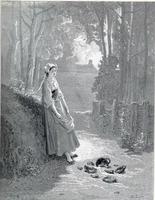
Illustration for The Milkmaid and the Milk Can
Gustave Dore
Smoerbukk
Theodor Severin Kittelsen
ZOOLOGY
John Leech
Old Woman with Rags
James McNeill Whistler
Vessels counsil
Taras Shevchenko