Expert Analysis of Vincent van Gogh’s "Alychamps" (Post-Impressionist Landscape)
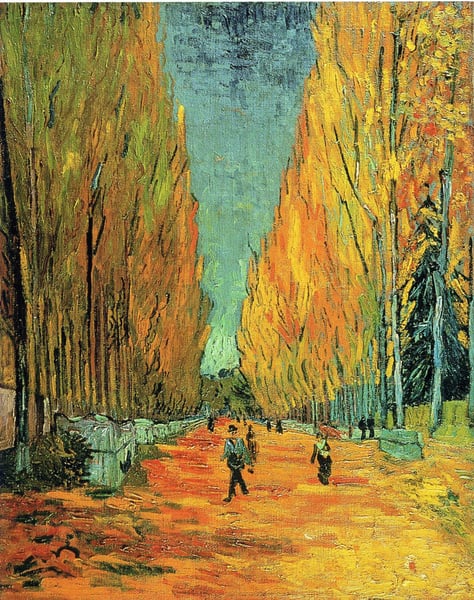
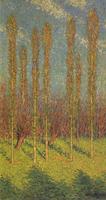
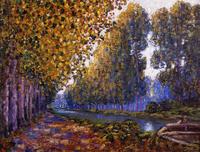
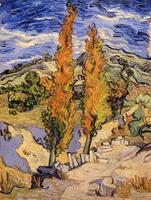
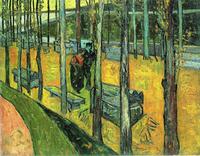
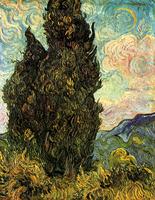
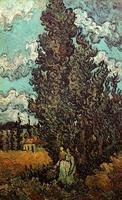
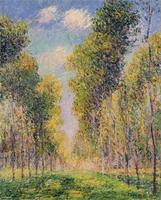
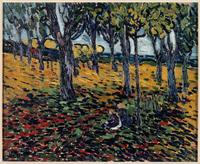
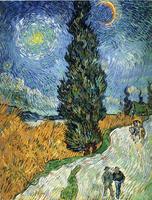
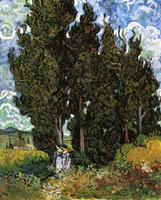
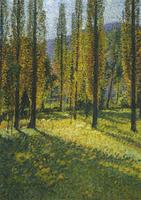
In "Alychamps," van Gogh transforms a Roman necropolis in Arles into a radiant, emotive landscape that epitomizes Post-Impressionism’s break with naturalistic representation. The work is significant for its expressive use of color—saturated yellows, blues, and greens are applied in forceful, rhythmic brushstrokes that convey the artist’s emotional state rather than optical accuracy. The twisted, almost organic forms of the trees and the vibrant, impasto sky reflect van Gogh’s signature method of distorting reality to express inner feeling.
Within the Post-Impressionist movement, this painting demonstrates the shift toward subjective, symbolic landscapes: the ancient Alychamps tombs become a backdrop for a personal, almost spiritual meditation on nature and mortality. Van Gogh’s bold, non-naturalistic palette and dynamic texture elevate the scene beyond mere topography, making it a quintessential example of how Post-Impressionist artists used landscape as a vehicle for psychological and emotional exploration. The work thus holds a key place in van Gogh’s Arles period, where his mature style of heightened color and tactile paint surface reached its peak.