
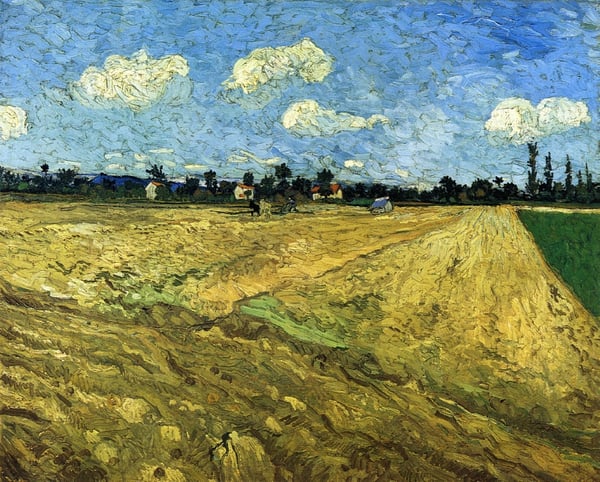
The Ploughed Field
Dettagli
Analisi esperta di The Ploughed Field di Vincent van Gogh
Stile: Post-Impressionism · Genere: landscape
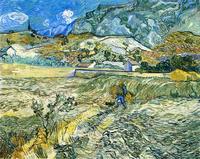
As an expert art historian, I will analyze The Ploughed Field by Vincent van Gogh based solely on the provided structured facts (Post-Impressionism, landscape). While no specific details about the painting's date or composition are given, its significance can be understood through the defining characteristics of Van Gogh's work within the Post-Impressionist movement.
Significance within Post-Impressionism
The Ploughed Field is a quintessential example of how Van Gogh transformed the traditional landscape genre from a simple record of nature into a vehicle for personal expression and emotional intensity—a core goal of Post-Impressionism.
-
Subjective Color and Emotional Resonance: Post-Impressionism rejected the naturalistic color of Impressionism in favor of symbolic and expressive hues. In a ploughed field scene, Van Gogh would typically use bold, unnatural colors—perhaps vivid oranges, purples, or deep blues—not to replicate the soil's actual appearance, but to convey the raw energy of the earth, the toil of labor, or his own turbulent emotional state. This use of color as an emotional language is a hallmark of his significance.
-
Expressive Brushwork and Texture: Van Gogh's distinctive, thick impasto brushwork (applying paint in heavy, directional strokes) is central to the work's impact. In The Ploughed Field, the furrows would be rendered with rhythmic, swirling or parallel strokes that mimic the act of ploughing itself. This technique transforms the surface of the canvas into a dynamic, tactile experience, making the landscape feel alive with motion and the artist's own hand. It moves beyond visual description to a physical and psychological engagement.
-
Symbolism of the Ploughed Field: The subject itself—a ploughed field—carries symbolic weight within Van Gogh's oeuvre and Post-Impressionist thought. It represents human labor, the cyclical nature of life, and the potential for renewal. Van Gogh often found profound meaning in humble rural scenes, elevating them to meditations on existence. The redemptive power of work and the connection between humanity and the land were recurring themes, making this landscape far more than a scenic view.
In summary, The Ploughed Field is significant not for its topographical accuracy, but for how it embodies the Post-Impressionist shift toward subjective expression. Through its intense color, dynamic brushwork, and symbolic depth, it demonstrates Van Gogh's ability to infuse a simple landscape with profound emotional and existential resonance, marking a pivotal moment in the evolution of modern art.
Museum / Gallery
Visivamente simili
20 opere con composizione e palette affini
Sower
Vincent van Gogh
Wheat Field
Vincent van Gogh
The Plain at Auvers
Vincent van Gogh
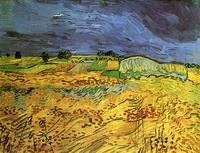
The Fields
Vincent van Gogh
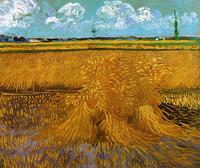
Wheatfield with Sheaves
Vincent van Gogh
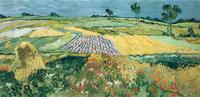
Wheatfields
Vincent van Gogh
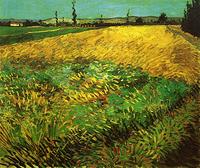
Wheat Field with the Alpilles Foothills in the Background
Vincent van Gogh
Landscape with Snow
Vincent van Gogh
Potatoe Pickers
Maurice de Vlaminck
Høstdag
Karl Edvard Diriks
In the Wheatfield at Gennevilliers
Berthe Morisot
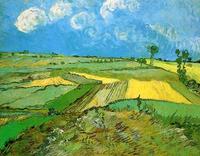
Wheat Fields at Auvers Under Clouded Sky
Vincent van Gogh
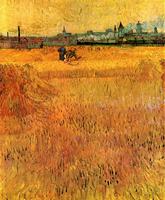
Arles View from the Wheat Fields
Vincent van Gogh
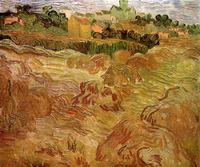
Wheat Fields with Auvers in the Background
Vincent van Gogh
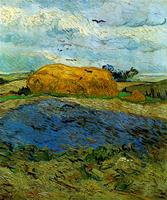
Haystack under a Rainy Sky
Vincent van Gogh
Walnut trees at sunset in early October
Alfred Sisley
The Sower Outskirts of Arles in the Background
Vincent van Gogh
Corn Field
Mihaly Munkacsy
Field and Ploughman and Mill
Vincent van Gogh
Enclosed Field with Peasant
Vincent van Gogh