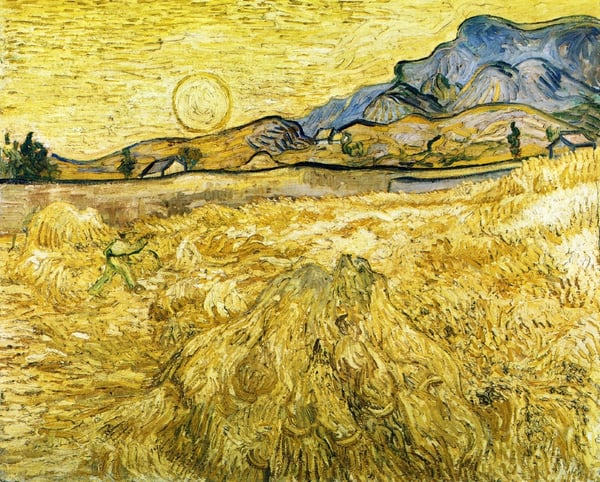
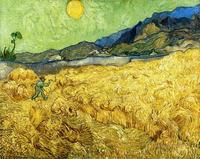
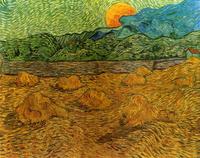
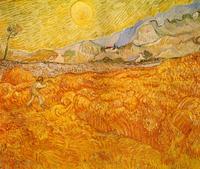
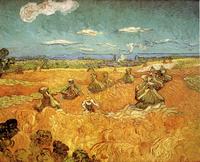
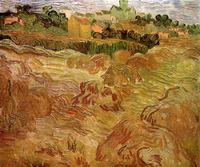
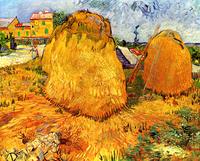
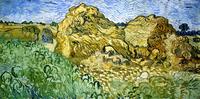
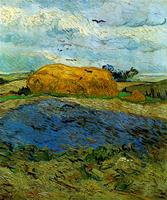
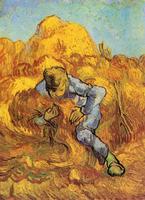
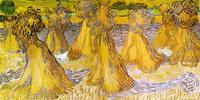
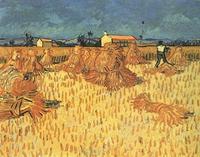
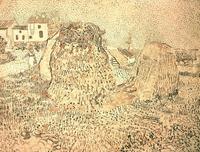
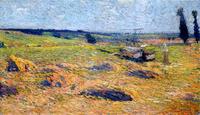
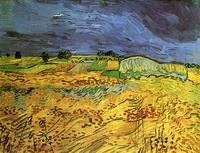
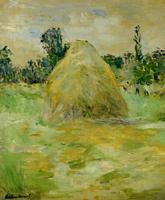
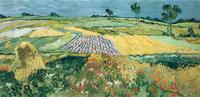
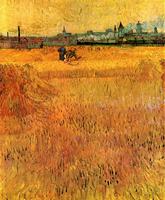
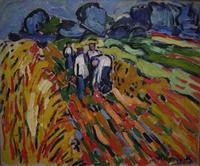
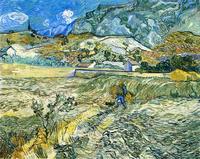
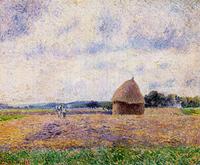
While the provided facts are minimal, they allow for a focused analysis within the given constraints. As a Post-Impressionist landscape by Vincent van Gogh, "The Reaper" is significant for its embodiment of the movement's core principles. The work likely moves beyond naturalistic depiction, using bold color and expressive brushwork—hallmarks of van Gogh's mature style—to convey emotional resonance rather than literal representation. As a landscape, it transforms a rural, everyday subject into a vehicle for subjective feeling, a key departure from Impressionist objectivity. Within the Post-Impressionist period, van Gogh’s landscapes like this one represent a pivotal shift toward symbolic and personal expression, influencing later modern art. The choice of "The Reaper" as a theme further suggests the artist's engagement with cycles of life and labor, rendered with the intense vitality characteristic of his best work.