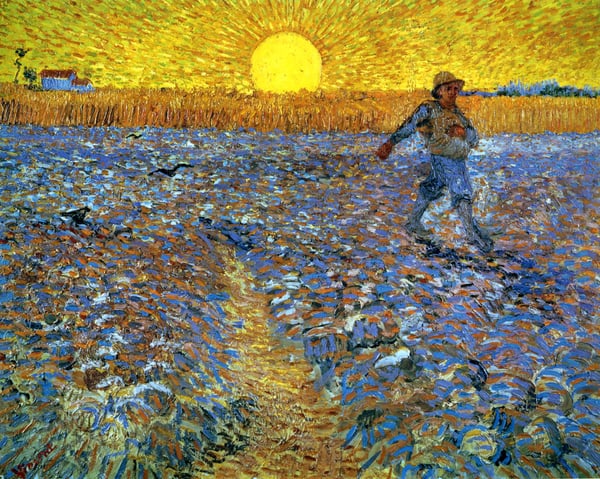
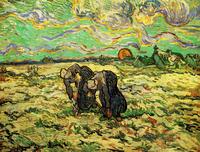
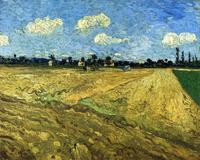
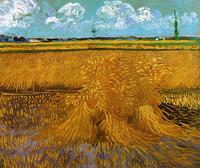
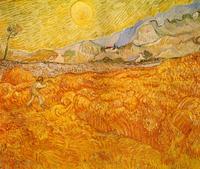
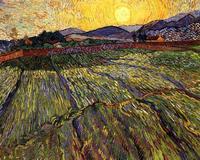
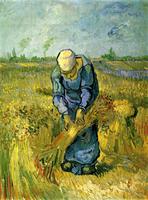
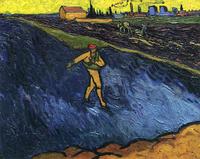
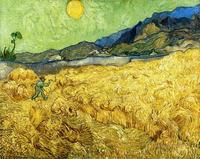
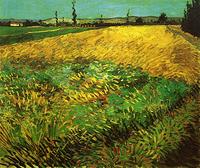
As a Post-Impressionist genre painting, Vincent van Gogh's The Sower (Sower with Setting Sun) derives its significance from how it transforms an everyday rural activity into a powerful expression of the period's core concerns. The work is emblematic of Post-Impressionism's break from naturalism: van Gogh uses bold, symbolic colors (the setting sun, the sower's silhouette) not for realistic depiction but to convey emotional and spiritual intensity. The genre of the scene—a peasant sowing seeds—is elevated beyond mere documentation; through van Gogh's characteristic thick brushwork and dramatic contrasts, the mundane becomes a universal metaphor for life, death, and renewal. This synthesis of personal vision and timeless subject matter exemplifies the Post-Impressionist drive to infuse modern life with deeper meaning, making the painting a landmark in the movement's exploration of symbol and emotion.