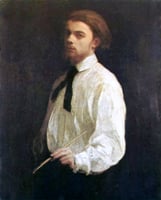
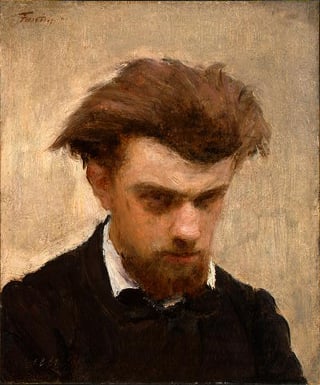
Expert analysis of Henri Fantin-Latour’s Self Portrait
Style: Realism · Genre: self-portrait
Henri Fantin-Latour’s Self Portrait stands as a quietly powerful example of Realism’s commitment to unembellished truth. Executed within a style that rejected idealization in favor of honest observation, the work captures the artist with a direct, unflinching gaze and a subdued palette that avoids theatrical flair. The self-portrait genre—a loaded tradition of self-scrutiny—here becomes an act of sober self-documentation rather than heroic posturing. Fantin-Latour’s significance lies in his ability to render psychological presence through meticulous attention to light, texture, and form, all while maintaining the detached, factual clarity that defines Realist practice. In this piece, the sitter’s composed expression and simple attire reflect the movement’s core belief: that truth resides in the ordinary, the unadorned, and the deeply observed.
Visually similar
20 works with related composition and palette
John William Waterhouse
William Logsdail
Self portrait
Isaac Levitan
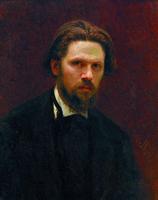
Self-portrait
Ivan Kramskoy
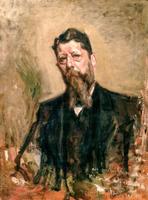
Portrait of the painter Eugenio Scomparini
Umberto Veruda
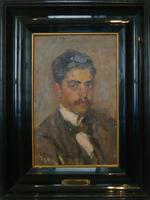
Self-portrait
Umberto Veruda
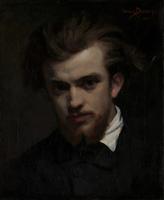
Henri Fantin Latour
Carolus-Duran
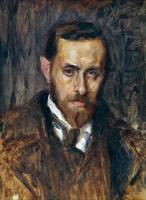
Portrait of the painter Arturo Fittke
Umberto Veruda
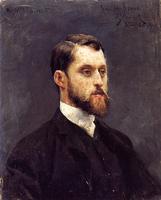
Self Portrait
Julius LeBlanc Stewart
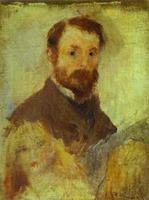
Self-Portrait
Pierre-Auguste Renoir
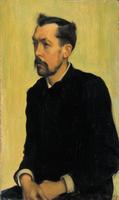
Francis Poictevin
Jacques-Émile Blanche
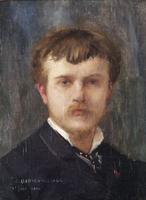
Self-portrait
Jules Bastien-Lepage
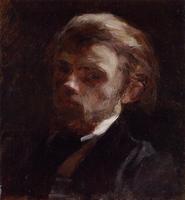
Self Portrait
Henri Fantin-Latour
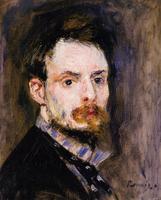
Self-Portrait
Pierre-Auguste Renoir
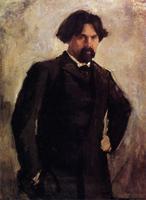
Portrait of the Artist Vasily Surikov
Valentin Serov
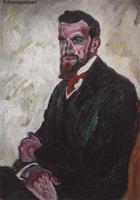
Portrait of Dmitry Petrovich Konchalovsky historian, brother of the artist
Pyotr Konchalovsky
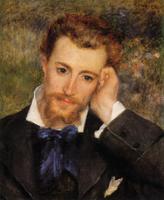
Eugene Murer
Pierre-Auguste Renoir
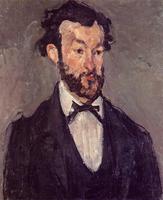
Portrait of Antoine Valabregue
Paul Cezanne
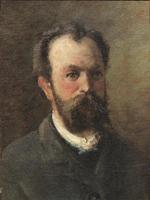
Male portrait
Noè Bordignon
Sanford Robinson Gifford
Eastman Johnson
Self-Portrait II
Mihaly Munkacsy