
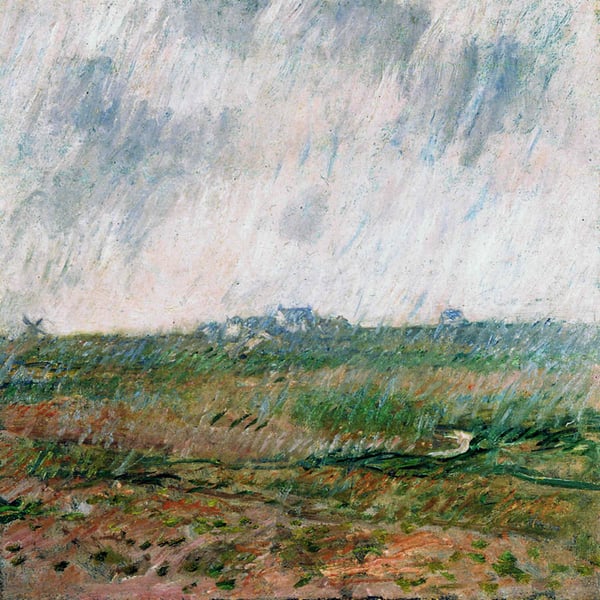
Analisi esperta di Rain in Belle-Ile di Claude Monet
Stile: Impressionism · Genere: landscape
Given the limited facts provided, the significance of Rain in Belle-Ile by Claude Monet can be understood through its context within the Impressionist movement. As an Impressionist landscape, the artwork exemplifies the style’s core pursuit of capturing transient atmospheric conditions and the effects of light. The choice of a rainy scene reflects Monet’s dedication to painting en plein air and his interest in depicting weather’s ephemeral qualities—a hallmark of his mature work, particularly during his 1886 stay on Belle-Île. The painting’s significance lies in how it transforms a traditionally gloomy subject into a vibrant study of shifting colors, broken brushwork, and diffuse light, thereby asserting the genre landscape as a vehicle for modern sensory experience rather than mere topographical record.
Visivamente simili
20 opere con composizione e palette affini
Windward
Henri Martin
Farmhouses in a Wheat Field Near Arles
Vincent van Gogh
Stormy Weather, Pas de Calais
Camille Corot
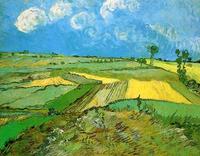
Wheat Fields at Auvers Under Clouded Sky
Vincent van Gogh
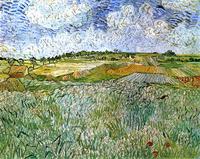
The Plain at Auvers
Vincent van Gogh
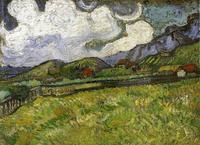
Wheat Field behind Saint-Paul Hospital with a Reaper
Vincent van Gogh
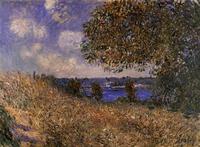
Near the Bank of the Seine at By
Alfred Sisley
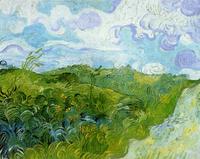
Green Wheat Fields
Vincent van Gogh
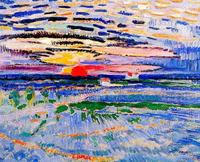
Sunrise
Jan Sluyters
The Road to Louveciennes Montbuisson
Alfred Sisley
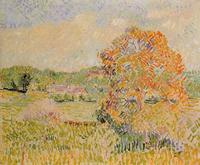
Springtime at Eragny (study)
Camille Pissarro
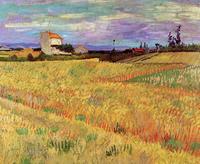
Wheat Field
Vincent van Gogh
The away Samson in Grandcamp
Georges Seurat
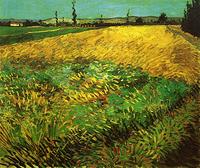
Wheat Field with the Alpilles Foothills in the Background
Vincent van Gogh
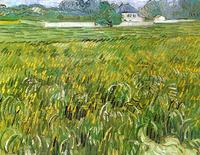
Wheat Field at Auvers with White House
Vincent van Gogh
Alfalfa, St. Denis
Georges Seurat
Landscape of Vexin
Louis Hayet

Zonnegloed
Emile Claus
Plain near Auvers
Vincent van Gogh
Wheatfield with Mountains in the Background
Vincent van Gogh