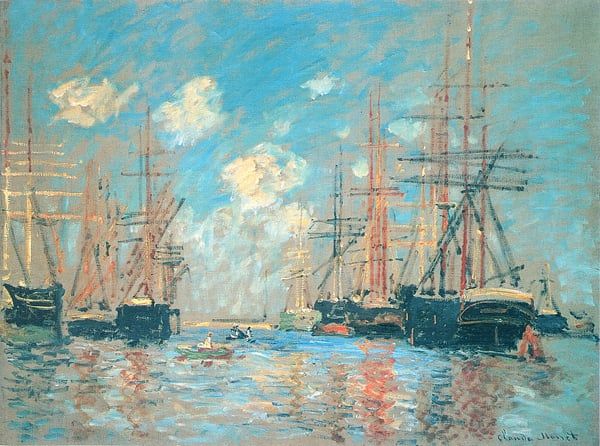
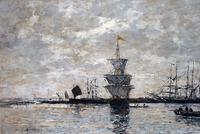
Expert Analysis of "The Sea, Port in Amsterdam" by Claude Monet
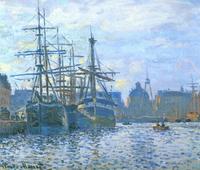
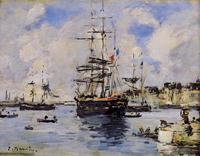
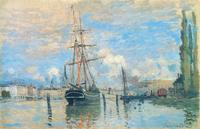
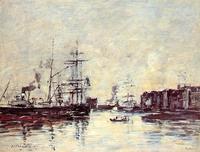
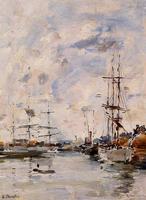
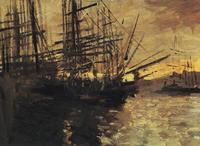
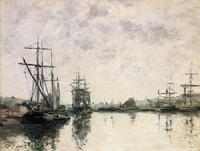
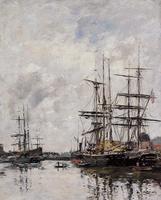
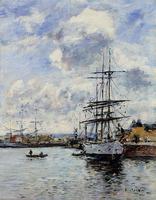
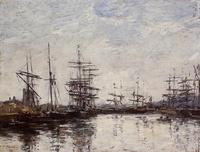
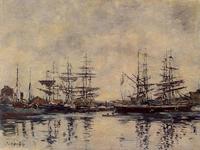
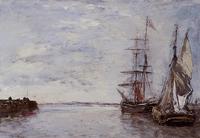
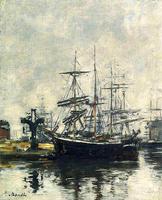
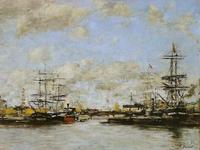
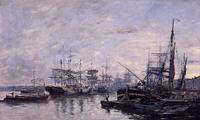
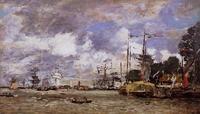
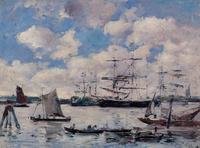
This work is a quintessential example of Impressionist marina painting, showcasing Monet’s dedication to capturing the fleeting effects of light and atmosphere on water. As an Impressionist, Monet eschewed precise detail in favor of loose, visible brushstrokes and a vibrant, often unmixed palette. The genre—a marina—allowed him to explore reflections, ripples, and the shimmering interplay between sky, sea, and man-made structures.
The significance of this painting lies in its demonstration of how Impressionism transformed the traditional seascape into a study of perceptual immediacy. Monet’s choice of a bustling port (Amsterdam) rather than a remote coastline underscores the movement’s interest in modern life and urban environments. The work’s emphasis on transient sensations—the sparkle of sunlight on waves, the haze of harbor air—elevates a commonplace scene into a vibrant, sensory experience, embodying the core Impressionist goal: to record a moment as the eye perceives it, not as the mind knows it to be.