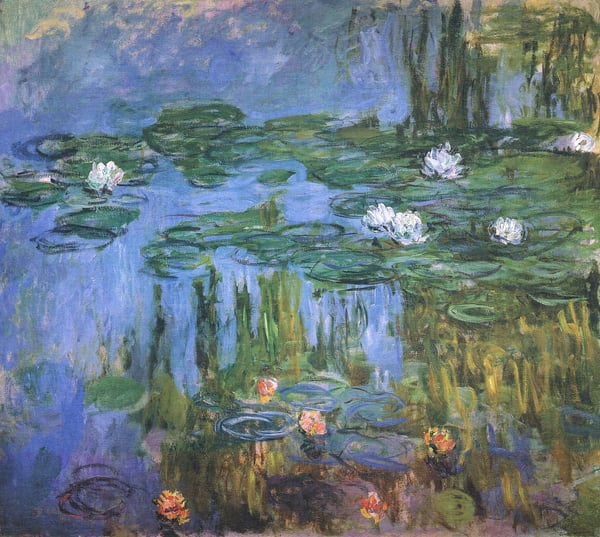
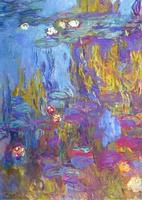
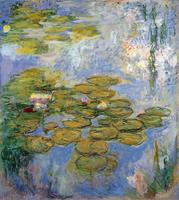
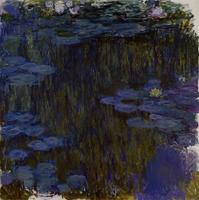
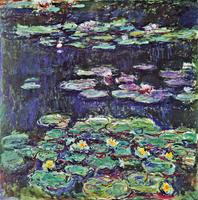
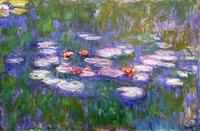
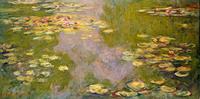
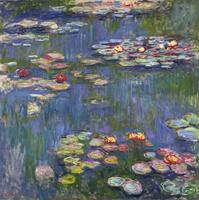
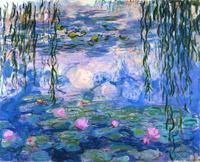
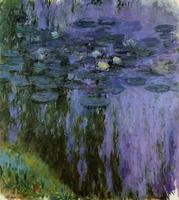
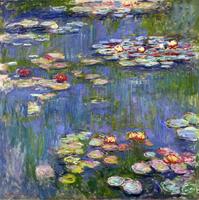
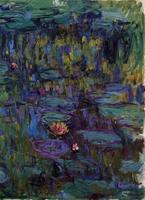
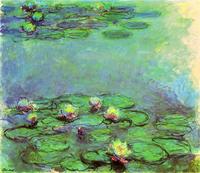
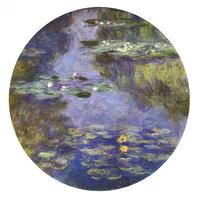
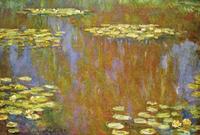
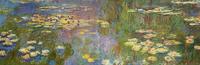
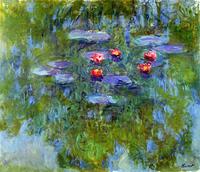
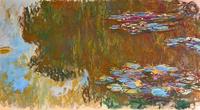
As an Impressionist flower painting, Monet’s Water Lilies is significant for its radical departure from traditional still life. Instead of precise botanical detail, the work prioritizes the transitory play of light and color on water’s surface, dissolving form into shimmering patches of pigment. This approach epitomizes Impressionism’s core goal: capturing a fleeting visual sensation—here, the reflection of sky and lilies in a pond—rather than an objective, static depiction. The genre of flower painting is thus transformed from a study of nature’s structure into a study of atmosphere, confirming Monet’s role in redefining what a floral scene could represent in modern art.