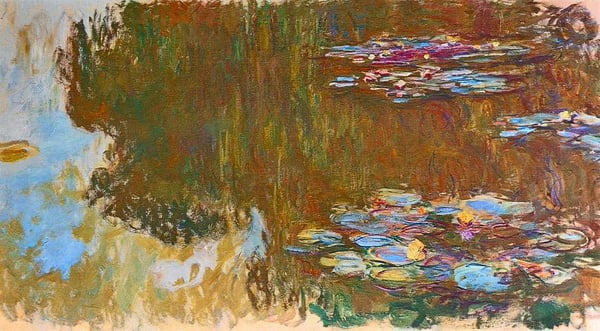
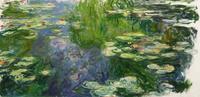
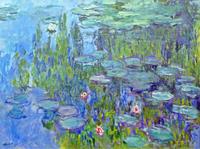
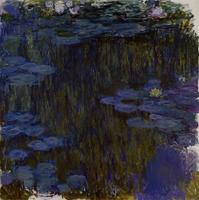
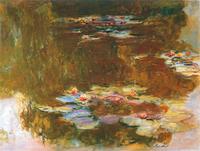
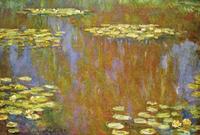
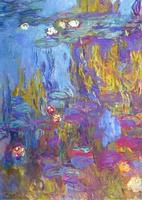
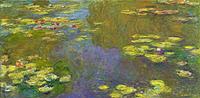
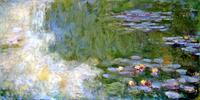
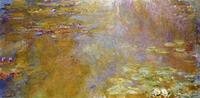
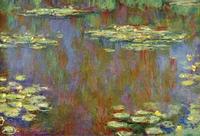
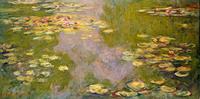
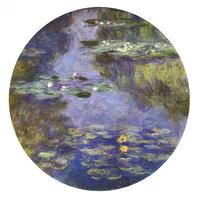
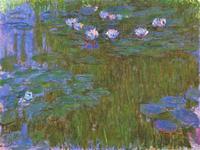
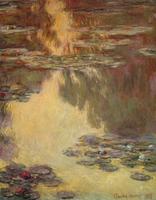
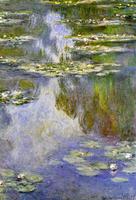
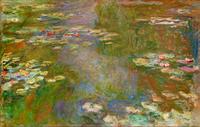
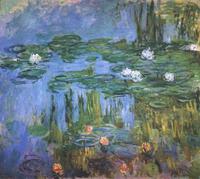
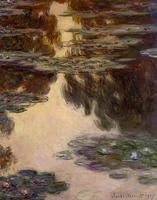
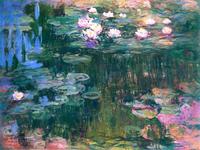
In Claude Monet’s Water Lilies, the artist fully realizes the core aims of Impressionism: capturing the fleeting effects of light, color, and atmosphere rather than providing a detailed botanical record. As a flower painting, the work transcends conventional still life by dissolving the boundary between water, sky, and vegetation—the lilies become shimmering reflections and pure patches of pigment. This piece is significant within Impressionism because it exemplifies Monet’s radical shift from subject-driven art to perception-driven art, where the momentary impression of a lily pond under varying light conditions is the true subject. The genre of flower painting is elevated here to a study of optical sensation, marking a decisive step toward modernist abstraction.