
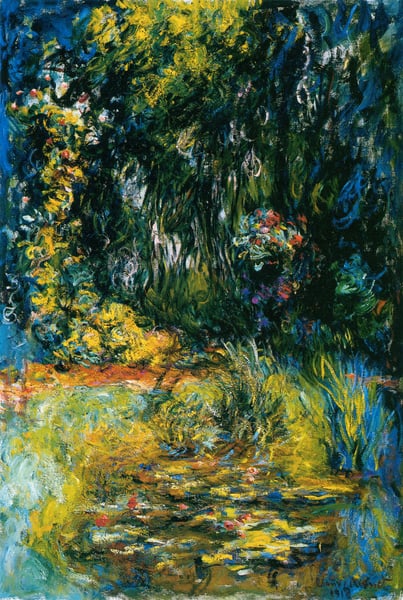
Expert analysis of Claude Monet’s Water Lily Pond
Style: Impressionism · Genre: flower painting
Expert Art Historical Analysis: "Water Lily Pond" by Claude Monet
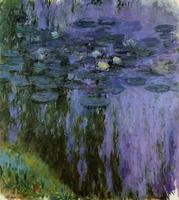
Claude Monet’s Water Lily Pond stands as a quintessential masterpiece of Impressionism, a movement that revolutionized the depiction of light, color, and atmosphere. Painted as part of his legendary series devoted to the water garden at his home in Giverny, this work exemplifies the artist’s obsessive pursuit of capturing fleeting moments of natural beauty.
Significance within Impressionism:
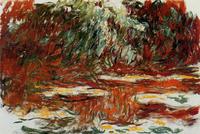
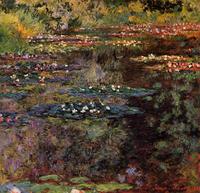
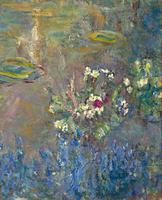
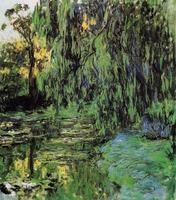
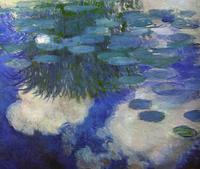
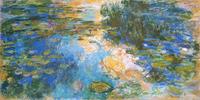
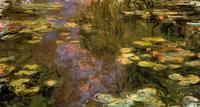
Monet’s treatment of the pond’s surface is a tour de force of broken color and loose, expressive brushwork. Rather than delineating solid forms, he builds the scene from dabs and strokes of pure pigment—lavenders, emeralds, pinks, and deep blues—that optically blend when viewed from a distance. This technique embodies the Impressionist goal of rendering the perceptual experience of light and its reflections, rather than a literal transcription of the subject.
Genre as a Vehicle for Innovation:
Although classified as a flower painting, Monet’s water lilies transcend traditional floral still life. The composition eliminates the horizon line, immersing the viewer entirely in the reflective surface of the pond. The floating lily pads and blossoms become abstract motifs, suspended in a shimmering, liquid atmosphere. This approach anticipates the increasingly non-representational concerns of modern art, bridging Impressionism with later movements like Abstract Expressionism.
Cultural and Personal Context:
The water lily series—over 250 paintings—was Monet’s lifelong obsession from the 1890s until his death in 1926. Water Lily Pond reflects his deep engagement with Japanese garden aesthetics (notably the arched Japanese bridge often included in other works) and his fascination with the way water mirrors both sky and vegetation. The painting’s significance lies in how it transforms a private, cultivated garden into a universal meditation on perception, time, and the sensory essence of nature.
In sum, this work is not merely a floral scene but a radical experiment in how paint can capture the intangible—light rippling on water, the weightless drift of lilies, and the ever-changing moods of the natural world. It remains a definitive statement of Impressionism’s enduring power to make the ordinary extraordinary.
Visually similar
20 works with related composition and palette
Water Lily Pond at Giverny
Claude Monet
Water Lilies
Claude Monet
Water Lilies, Yellow and Lilac
Claude Monet
Water Lily Pond
Claude Monet
Water Lilies
Claude Monet
Water Lilies
Claude Monet
Weeping Willow and Water-Lily Pond
Claude Monet
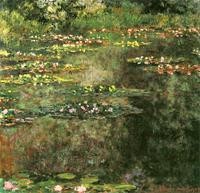
Water Lilies
Claude Monet
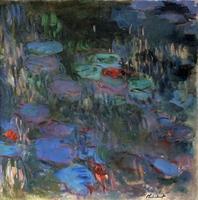
Water Lilies, Reflections of Weeping Willows (right half)
Claude Monet
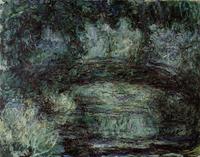
The Japanese Bridge
Claude Monet
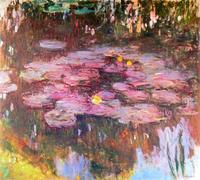
Water Lilies
Claude Monet
Water Lilies
Claude Monet
Water Lily Pond
Claude Monet
The Water Lily Pond X
Claude Monet
Water Lily Pond
Claude Monet
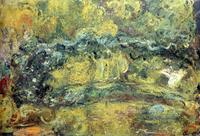
The Japanis Bridge (Footbridge over the Water-Lily Pond)
Claude Monet
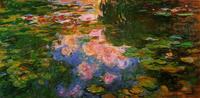
Water Lily Pond
Claude Monet
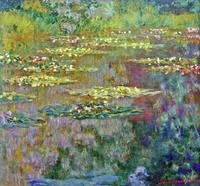
Water Lilies
Claude Monet
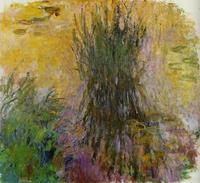
Water Lilies
Claude Monet
Water Lilies
Claude Monet