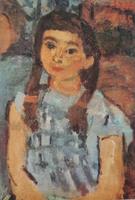
Expert Analysis of "Portrait of a Woman" by Pierre-Auguste Renoir
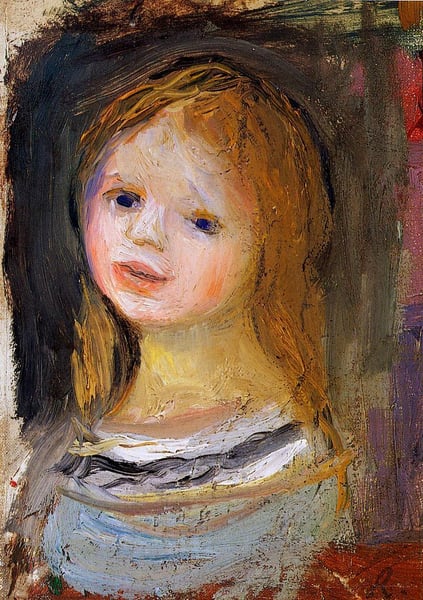
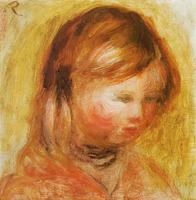
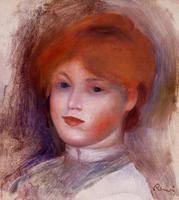
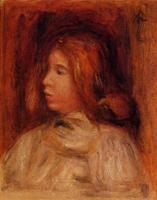
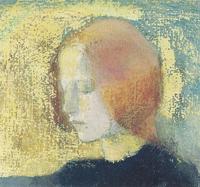
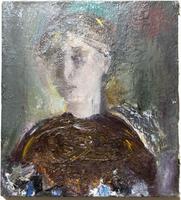
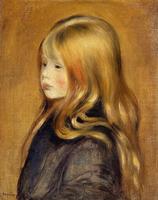
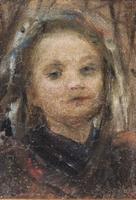
As an Impressionist portrait, Renoir’s work is significant for its radical departure from traditional, highly finished portraiture. Instead of focusing on precise likeness or social status, Renoir prioritizes the transient effects of light and color, using loose, feathery brushstrokes that dissolve the sitter’s features into a shimmering atmosphere. The painting exemplifies how Impressionism redefined portraiture: not as a static record of a person, but as a vibrant, sensory moment—capturing the sitter’s warmth and the play of sunlight on skin and fabric. Renoir’s characteristic warmth, rosy tones, and soft focus elevate the everyday act of sitting for a portrait into a celebration of beauty and modern life, making this work a key example of how Impressionism blurred the boundaries between genre and portraiture.