Expert analysis of Rembrandt’s A Village with a River
Style: Baroque · Genre: landscape
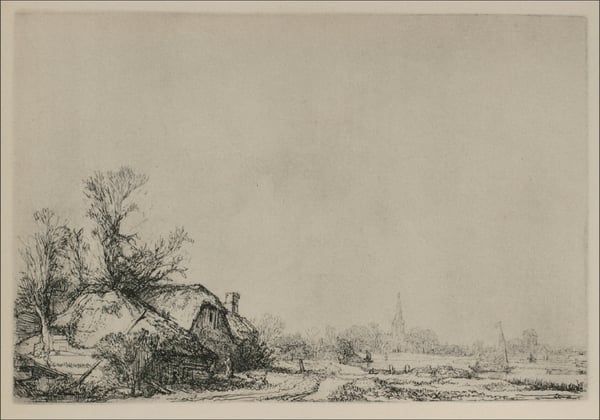
Expert Analysis: "A Village with a River" by Rembrandt (Baroque, Landscape)
Rembrandt van Rijn is universally celebrated for his portraits, biblical scenes, and masterful handling of light and shadow. His foray into the landscape genre, however, represents a quieter but no less radical contribution to Baroque art. A Village with a River is a telling example of how Rembrandt subverted the dominant Baroque landscape tradition—epitomized by artists like Claude Lorrain and Annibale Carracci—which favored idealized, heroic vistas bathed in golden, harmonious light. Instead, Rembrandt’s landscapes are intimate, unpretentious, and deeply naturalistic.
Significance within Baroque Art
While Baroque painting is often associated with dramatic movement, grand religious fervor, and sweeping theatricality (as in Rubens or Caravaggio), Rembrandt’s landscapes offer a contrasting introspective mode. A Village with a River likely presents a humble, everyday scene—a cluster of modest dwellings along a winding waterway—without mythological or historical pretension. This focus on ordinary rural life aligns with the Dutch Baroque tradition of "realism," but Rembrandt elevates it through his signature handling of light and atmosphere. Rather than a static topographical record, the work would have used subtle tonal gradations and a subdued palette to evoke mood, weather, and the transient effects of light on water, foliage, and rooftops.
Rembrandt’s Landscape Innovation
During the Baroque period, landscape was often relegated to a secondary genre. Rembrandt, however, treated it with the same psychological depth he brought to his portraits. In A Village with a River, the viewer is not an external observer of an ideal realm but is invited into a specific, tangible place—perhaps inspired by the countryside near Amsterdam. Rembrandt’s technique, whether in paint or etching (he produced numerous landscapes in both media), prioritized texture and atmospheric recession over precise linear perspective. This gave his landscapes a sense of breathing, living space—a momentary glimpse of nature as it truly appears, resonant with solitude or the quiet rhythm of village life.
Conclusion
The significance of A Village with a River lies in its quiet defiance of Baroque pomposity. At a time when landscape was often a stage for grand narratives, Rembrandt insisted on the poetic value of the ordinary. This work exemplifies how the Baroque spirit could be channeled inward, using natural subject matter to explore light, atmosphere, and human connection to the land—a contribution that would later influence Romantic and modern landscape painting.
Visually similar
20 works with related composition and palette
A Large Landscape with a Mill Sail
Rembrandt
Landscape with a Man Sketching a Scene
Rembrandt
A Peasant Carrying Milk Pales
Rembrandt
Landscape with a Canal and Swan
Rembrandt
Farm in landscape
Esaias van de Velde
Large Sheds, Plate 21 from Regiunculae Et Villae Aliquot Ducatus Brabantiae
Master of the Small Landscapes
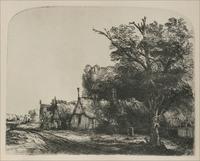
The Three Cottages
Rembrandt
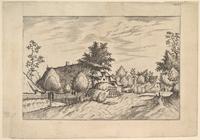
Village Street, Hay Stacked in Front of a Farm from Praediorum Villarum Et Rusticarum Casularum Icones Elenoantissimae Ad Vivum in Apre Deformatae
Master of the Small Landscapes
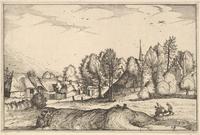
Road into a Village, Plate 19 from Regiunculae Et Villae Aliquot Ducatus Brabantiae
Master of the Small Landscapes
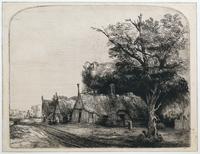
Landscape with Three Huts
Rembrandt
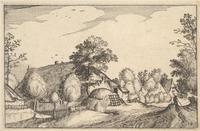
Village Road, Plate 12 from Regiunculae Et Villae Aliquot Ducatus Brabantiae
Master of the Small Landscapes
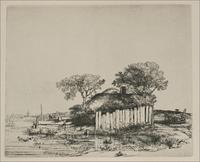
A Cottage with White Pales
Rembrandt
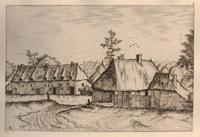
Large Sheds, plate 21 from Regiunculae et Villae Aliquot Ducatus Brabantiae
Master of the Small Landscapes
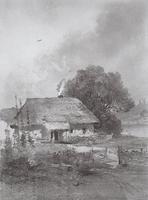
Ukrainian landscape
Aleksey Savrasov
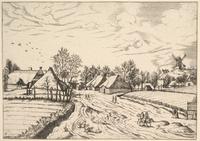
Country Village with Post Mill from Multifariarum Casularum Ruriumque Lineamenta Curiose Ad Vivum Expressa
Master of the Small Landscapes
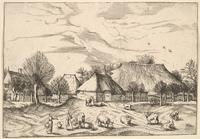
Farms, Cattle with Herdsmen and Milkmaids in the Foreground from Multifariarum Casularum Ruriumque Lineamenta Curiose Ad Vivum Expressa
Master of the Small Landscapes
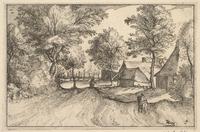
Village Road, plate 4 from Regiunculae et Villae Aliquot Ducatus Brabantiae
Master of the Small Landscapes
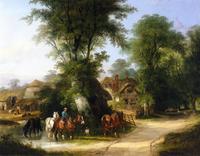
The Watering Place
William Shayer
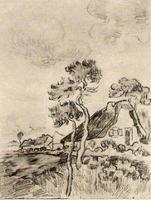
Cottages and Trees
Vincent van Gogh
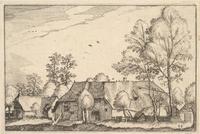
Large Farm, Plate 10 from Regiunculae Et Villae Aliquot Ducatus Brabantiae
Master of the Small Landscapes