Expertenanalyse zu Leonardo da Vincis Drapery for a seated figure
Stil: High Renaissance · Genre: sketch and study
Expert Analysis: "Drapery for a seated figure" by Leonardo da Vinci
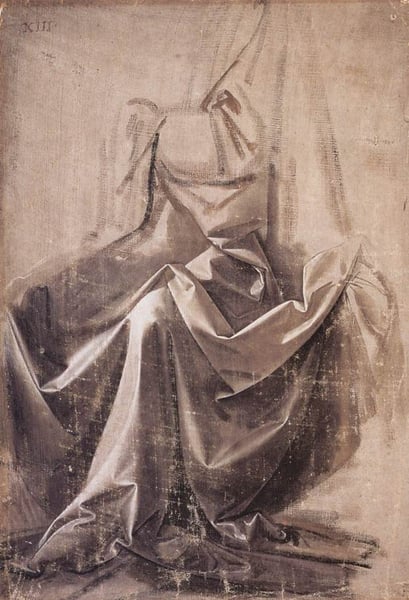
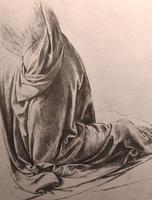
Leonardo da Vinci’s Drapery for a seated figure is a quintessential example of the High Renaissance emphasis on naturalism, scientific observation, and idealized harmony. Executed as a sketch and study, this work reveals the foundational process behind Leonardo’s finished paintings, where even a seemingly minor element—cloth—becomes a vehicle for artistic and intellectual inquiry.
Significance within the High Renaissance
- Mastery of Light and Shadow (Chiaroscuro): Leonardo uses subtle gradations of tone to model the folds of fabric, creating a convincing three-dimensional volume. The soft transitions between light and dark prefigure his later development of sfumato, giving the drapery a tactile, almost sculptural presence. This was revolutionary in an era when artists sought to break free from flat, linear Gothic conventions.
- Study of Nature and Physics: For Leonardo, drapery was not mere decoration but a subject for scientific analysis. He observed how fabric falls, folds, and drapes over a seated human form—how gravity, tension, and weight interact. This study reflects the High Renaissance commitment to understanding the natural world through empirical observation, a hallmark of Leonardo’s method.
- Expressive Potential: The flowing, rhythmic lines of the drapery are not accidental; they guide the viewer’s eye and convey a sense of serene motion, even in a static seated figure. This elevates a preparatory sketch into a work of art that anticipates the emotional and compositional grace found in masterpieces like the Mona Lisa or The Virgin of the Rocks.
Genre as Sketch and Study
As a preparatory study, this work demonstrates Leonardo’s process of isolating and perfecting individual elements—here, fabric—before incorporating them into a larger composition. Such drawings were vital in the High Renaissance, where artists like Leonardo, Raphael, and Michelangelo used them to refine the interplay of form, light, and space. The unfinished, exploratory nature of the sketch reveals the artist’s hand and mind at work, making it a precious record of creative evolution.
In summary, Drapery for a seated figure is significant not only for its technical brilliance but also for its embodiment of the High Renaissance ideal: art rooted in science, observation, and the pursuit of perfect naturalism. It is a powerful reminder that even the smallest study can contain the seeds of genius.
Museum / Gallery
Visuell ähnlich
20 Werke mit ähnlicher Komposition und Farbpalette
Drapery for a seated figure
Leonardo da Vinci
Father's robe God
Albrecht Durer
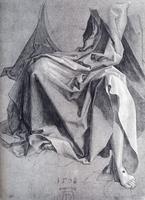
Study Of Drapery
Albrecht Durer
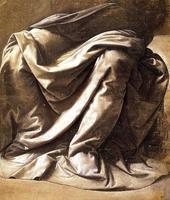
The Study of Drapery of a Seated Figure
Leonardo da Vinci
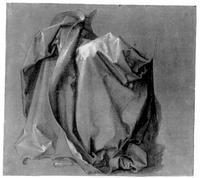
Father's robe God
Albrecht Durer
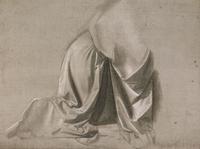
The Study of a Drapery of a Figure Kneeling
Leonardo da Vinci
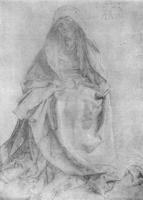
Reading Maria
Albrecht Durer
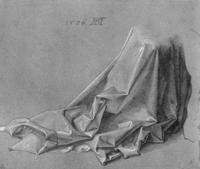
Robe study
Albrecht Durer
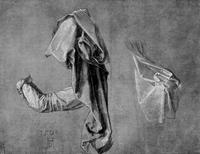
Garment studies
Albrecht Durer
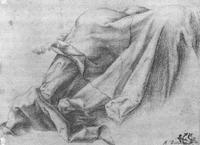
Drapery Study
Matthias Grünewald
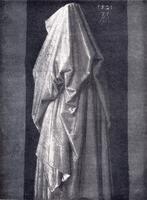
Study Of Drapery
Albrecht Durer
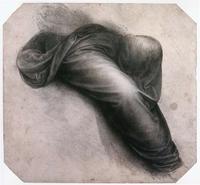
Study for Madonna and Child with St. Anne
Leonardo da Vinci
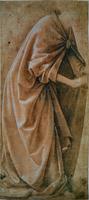
Study of Garments
Domenico Ghirlandaio
Saint Peter repentant
Francisco Herrera
Kneeling Apostle
Albrecht Durer
Dress studies
Noè Bordignon
Virgin of the Annunciation
Matthias Grünewald
Saint John the Evangelist
El Greco
Pretesto Per Splendore
Nicola Samorì
Drawing of drapery
Leonardo da Vinci