Analysis of "Sanctuaries and Citadels" by Nicholas Roerich
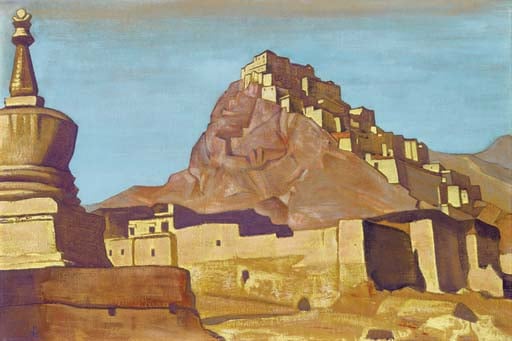
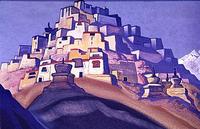
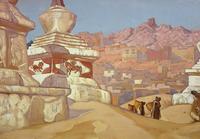
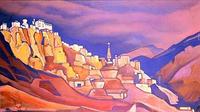
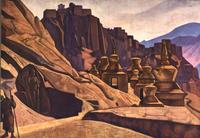
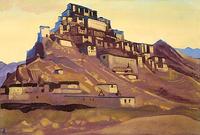
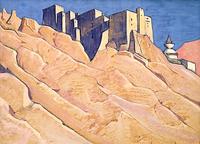
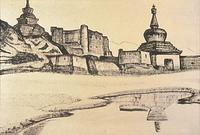
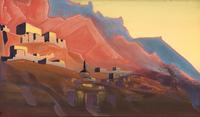
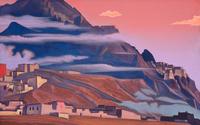
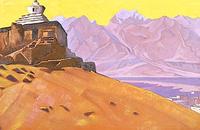
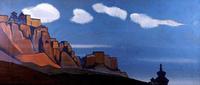
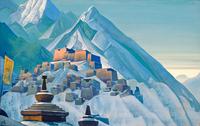
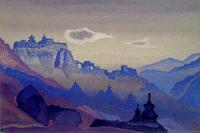
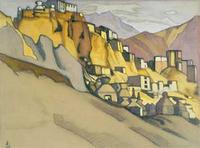
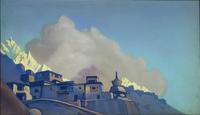
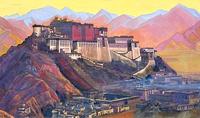
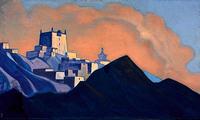
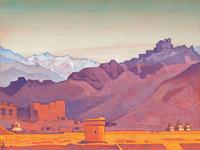
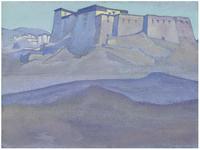
As a Symbolist landscape, Nicholas Roerich’s “Sanctuaries and Citadels” exemplifies the movement’s departure from literal representation toward spiritual and metaphysical expression. Roerich, a master of Symbolism, transforms the natural world into a stage for the sublime. The painting’s significance lies in its fusion of monumental architecture with untamed nature—citadels and sanctuaries rise as sacred outposts against a vast, luminous sky, blurring the boundary between earthly refuge and celestial aspiration.
Roerich’s characteristically luminous palette—rich blues, purples, and golds—evokes a mystical, otherworldly atmosphere, while the stark, simplified forms mirror the Symbolist aim to convey inner truths beyond surface reality. The work embodies the artist’s lifelong fascination with Himalayan and Central Asian landscapes, where ancient fortresses and monasteries serve as metaphors for spiritual fortitude. In the context of Symbolism, this landscape is not merely a scene but a meditation on the eternal struggle between human ambition and divine shelter, making it a quintessential example of Roerich’s ability to transform topography into transcendent vision.