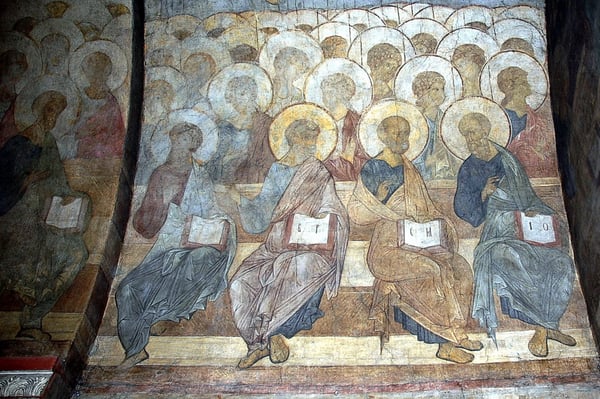
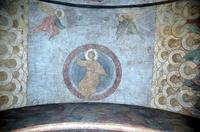
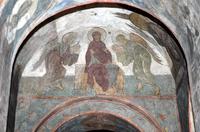
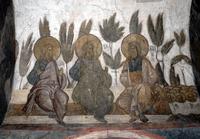
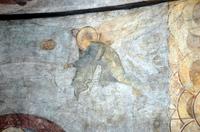
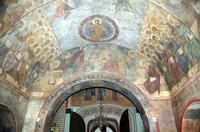
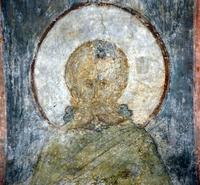
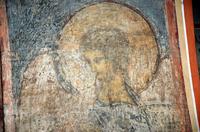
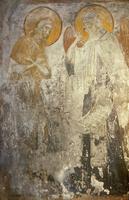
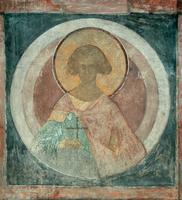
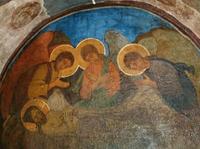
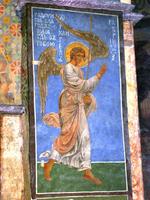
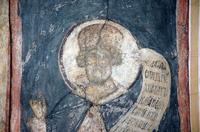
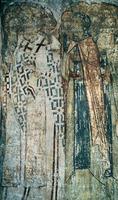
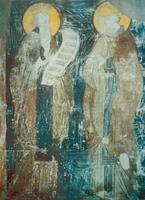
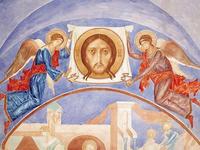
Andrei Rublev’s The Last Judgement: Angels and Apostles stands as a masterwork of the Moscow school of icon painting, blending the solemn grandeur of Byzantine tradition with a distinctly Russian spiritual sensitivity. Created at a time when Moscow was emerging as the center of Orthodox art, this icon reimagines the apocalyptic theme not merely as a scene of terror, but as a vision of divine order and hope.
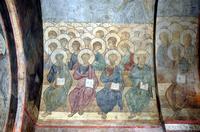
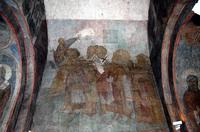
Compositionally, Rublev organizes the figures of angels and apostles with a serene clarity that typifies his mature style. Unlike earlier Byzantine depictions that emphasize rigid hierarchy and stark judgment, Rublev’s saints and celestial beings are arranged in a flowing, almost lyrical rhythm. The apostles, often depicted as stern judges in Byzantine art, here seem to gaze with compassionate authority, reflecting Rublev’s nuanced theology: the Last Judgement is not only about punishment but also about the revelation of divine mercy.
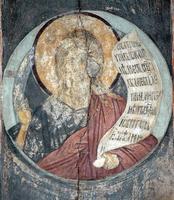
Color plays a crucial role in establishing this significance. Rublev employs luminous gold, deep blues, and warm ochres—hallmarks of the Moscow school—to create a sense of ethereal light. The gold background is not mere decoration; it symbolizes the uncreated light of God, enveloping the angels and apostles in an atmosphere of timeless grace. This use of light distinguishes Rublev from harsher Byzantine models, making the icon a meditative invitation rather than a warning.
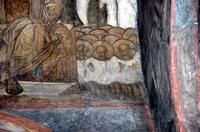
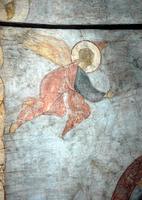
The treatment of the angels is particularly noteworthy. Rublev’s angels are elegant yet grounded, their gentle facial expressions and flowing drapery softening the apocalyptic subject. They appear more as messengers of peace than as agents of wrath, a reinterpretation that aligns with the Hesychast spiritual revival influential in Moscow at the time—emphasizing inner stillness and union with the divine.
In the context of the Moscow school, this icon marks a high point of artistic synthesis. Rublev retained the iconic frontality and symbolism of Byzantine art—such as the haloed apostles seated on thrones—while infusing it with a human warmth that would become a defining feature of Russian iconography. His Last Judgement thus moves beyond dogmatic illustration; it becomes a prayerful vision, inviting the viewer to contemplate salvation rather than damnation. This delicate balance between tradition and innovation is what makes the work significant: it elevates a familiar subject into an enduring testament to the spiritual artistry of medieval Russia.