
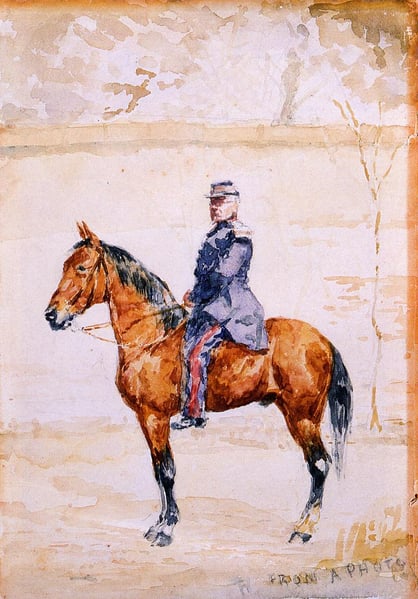
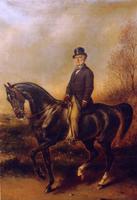
Analisi esperta di The General at the River di Henri de Toulouse-Lautrec
Stile: Impressionism · Genere: genre painting
Expert Analysis: "The General at the River" by Henri de Toulouse-Lautrec
While Toulouse-Lautrec is most often celebrated for his Post-Impressionist portrayals of Montmartre's cabarets and brothels, "The General at the River" is a notable departure that exemplifies his engagement with pure Impressionist principles within the genre painting tradition. This work captures a fleeting, everyday moment—a military figure by a river—transformed through the artist’s distinctive lens.
Significance within Impressionism and Genre Painting:
-
Capturing Light and Atmosphere: True to Impressionist aims, the painting likely dissolves the general’s uniform and the riverbank into patches of broken color, emphasizing the shifting play of light on water and fabric. The scene is less about the man’s rank and more about the sensory experience of a riverside afternoon—the shimmer of sunlight, the breeze, the reflection of sky in water.
-
The Ordinary Reimagined: As a genre painting, it elevates a commonplace activity (a general pausing at a river) into a subject worthy of fine art. Toulouse-Lautrec subtly subverts the expected formality of a military portrait: the general is not posed heroically but caught in a candid, almost private moment, aligning with Impressionism’s preference for spontaneous observation over staged grandeur.
-
Brushwork and Palette: The artist’s characteristically bold, swift strokes—often seen in his posters and portraits—here serve a softer purpose. By using an Impressionist palette of blues, greens, and earthy tones, he dissolves the boundary between figure and landscape, suggesting that even a symbol of authority is part of nature’s transient beauty.
Why it Matters: "The General at the River" demonstrates Toulouse-Lautrec’s versatility beyond his famous nightlife scenes, proving that his eye for the fleeting, the human, and the ordinary could thrive even within a more traditional Impressionist idiom. It stands as a reminder that genre painting—when filtered through modernist sensibilities—can reveal unexpected poetry in the mundane.
Museum / Gallery
Visivamente simili
20 opere con composizione e palette affini
A Dragoon on Horseback
Otto Bache
GENTLEMAN RIDER
Wojciech Kossak
Cuirassier à cheval
Edmond-Georges Grandjean
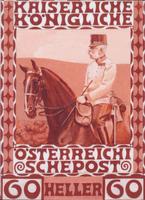
Design of the anniversary stamp with Austrian Franz Joseph I. on horseback
Koloman Moser
Soldat zu Pferd
Johann Daniel Holz
Portrait of Ludwig Blankenhorn as First Lieutenant
Georg Scholz
Mr. Robert S. Cassatt on Horseback
Mary Cassatt
1st Regiment of Chasseurs À Cheval. Part of a Series Chronicling the Uniforms of Napoleon's Grande Armée.
Carle Vernet
Photograph
Thomas Eakins
Part of a Series Chronicling the Uniforms of Napoleon's Grande Armée.
Carle Vernet
Rider on the Beach Facing Left
Max Liebermann
Part of a Series Chronicling the Uniforms of Napoleon's Grande Armée.
Carle Vernet
Part of a Series Chronicling the Uniforms of Napoleon's Grande Armée.
Carle Vernet
Equestrian Portrait of Mademoiselle Croizette
Carolus-Duran
Robert Bakewell
John Boultbee
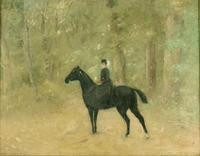
Amazon
Stefan Luchian
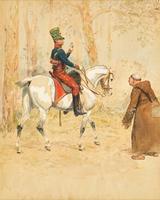
Un officier à cheval rencontrant un moine dans une forêt
Jean Baptiste Edouard Detaille
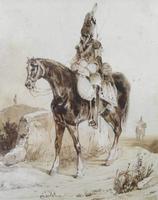
Grenadier of the Sentinel Guard
Nicolas Toussaint Charlet
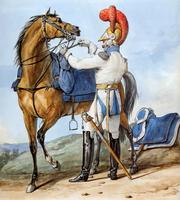
2° Régiment De Carabiniers - Chef D'escadron
Carle Vernet
Portrait équestre de François Adolphe Akermann
Franz Xaver Winterhalter