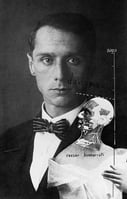
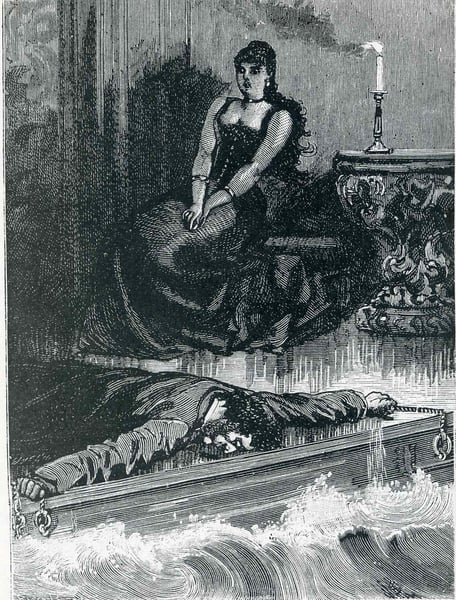
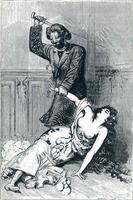
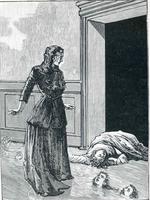
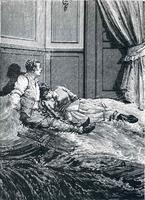
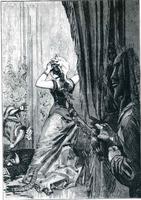
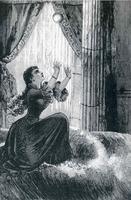
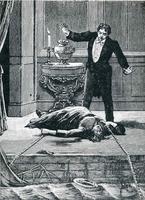
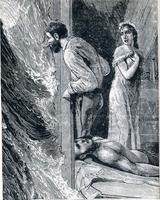
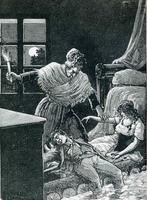
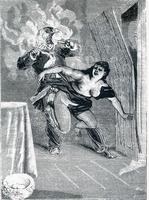
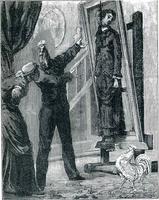
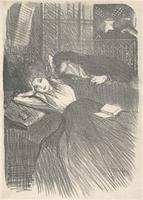
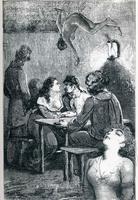
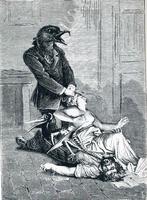
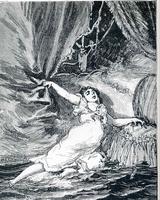
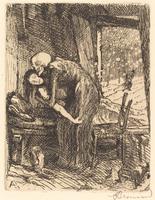
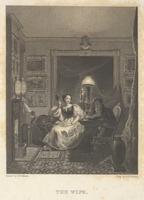
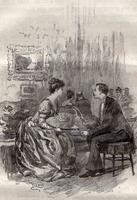
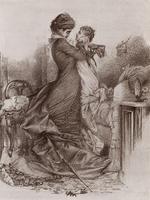
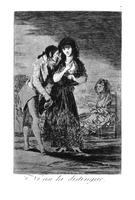
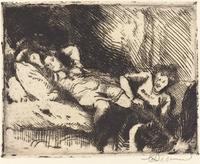
This illustration, created during Max Ernst’s First French period (1920s–early 1930s), is a quintessential example of Surrealist collage. Belonging to his landmark collage novel A Week of Kindness, the work demonstrates the movement’s core ambition: to disrupt rational reality by juxtaposing incongruous, machine-like and organic forms drawn from Victorian engravings. As an illustration, it is not merely decorative but narrative in a fragmented, dream-like way—each image contributes to a non-linear, unsettling story that subverts conventional morality (the “kindness” of the title is ironic). Within Surrealism, Ernst’s technique of frottage and collage was revolutionary, and this piece exemplifies his ability to create a hallucinatory, poetic space where the familiar becomes strange. Its significance lies in how it transforms found imagery into a tool for exploring the unconscious, making it a cornerstone of Surrealist visual literature.