Expert analysis of Max Ernst’s Illustration to "A Week of Kindness"
Style: Surrealism · Genre: illustration
As an expert art historian, I will provide an analysis of "Illustration to 'A Week of Kindness'" by Max Ernst, drawing exclusively from the structured facts provided.
Artwork Analysis: "Illustration to 'A Week of Kindness'" by Max Ernst
Style: Surrealism
Genre: Illustration
Period: First French period
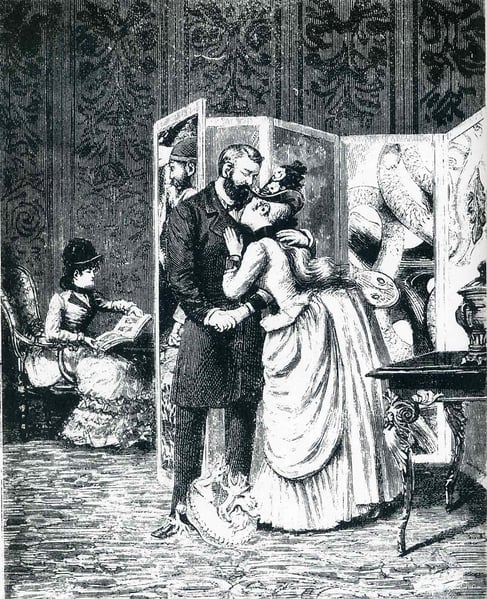
This work is a quintessential example of Surrealist illustration from Max Ernst’s pivotal First French period (circa 1922–1939), when he was at the forefront of the movement’s exploration of the unconscious mind. Its significance lies in how it transforms the humble genre of illustration into a revolutionary artistic statement.
During this period, Ernst pioneered the technique of collage, which he used to create the entire A Week of Kindness series. In this illustration, he masterfully assembles disparate, often Victorian or 19th-century, printed images—engravings of animals, machinery, architectural fragments, and human figures—into a seamless, dreamlike tableau. The work subverts the traditional role of illustration (to clarify a text) and instead becomes a visual poem of irrational juxtapositions. A typical scene might combine a woman’s body with a bird’s head or a lion’s mane, all set in an impossible interior space, evoking the unsettling logic of a nightmare.
What makes this particular illustration significant within Surrealism is its method. By appropriating and reassembling pre-existing images, Ernst challenges notions of originality and authorship—a radical move in the avant-garde. The collage technique directly embodies the Surrealist philosophy of "automatic" creation and the disruptive power of the unexpected encounter: "the chance meeting of an umbrella and a sewing machine on an operating table." The work is not merely decorative; it is a tool for psychological excavation, forcing the viewer to abandon rational interpretation and instead engage with the subconscious symbolism of hybrid creatures and contradictory spaces.
As an illustration from the First French period, it captures the transition from Dada’s nihilism to Surrealism’s more disciplined exploration of the psyche. It stands as a landmark example of how Surrealists redefined book illustration—not as a secondary narrative but as an autonomous, unsettling visual experience that expands the text’s meaning into the realm of the uncanny. This collage novel, A Week of Kindness, remains one of the most influential works of Surrealist visual literature, and this illustration exemplifies why: it is a perfect fusion of technique, period context, and the movement’s core ambition to liberate art from reason.
Museum / Gallery
Visually similar
20 works with related composition and palette
Illustration to "A Week of Kindness"
Max Ernst
Illustration to "A Week of Kindness"
Max Ernst
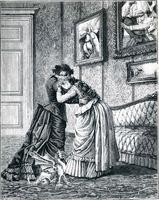
Illustration to "A Week of Kindness"
Max Ernst
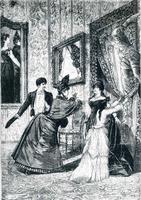
Illustration to "A Week of Kindness"
Max Ernst
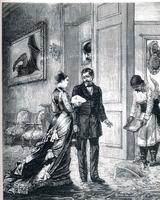
Illustration to "A Week of Kindness"
Max Ernst
CHRISTMAS EVE
John Leech
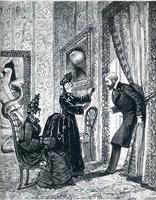
Illustration to "A Week of Kindness"
Max Ernst
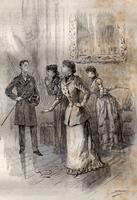
Story Le Rubis Du Grand-lama
Edouard Riou
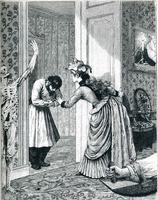
Illustration to "A Week of Kindness"
Max Ernst
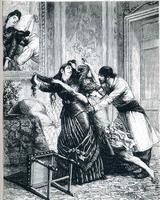
Illustration to "A Week of Kindness"
Max Ernst
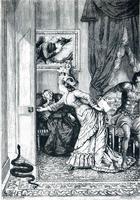
Illustration to "A Week of Kindness"
Max Ernst
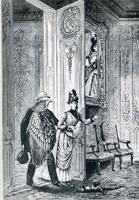
Illustration to "A Week of Kindness"
Max Ernst
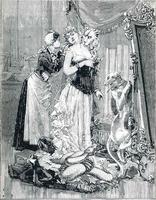
Illustration to "A Week of Kindness"
Max Ernst
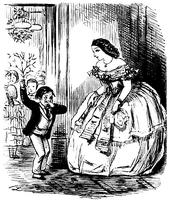
NONE BUT THE BRAVE DESERVE THE FAIR
John Leech
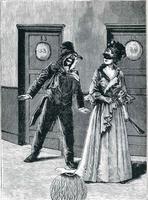
Illustration to "A Week of Kindness"
Max Ernst
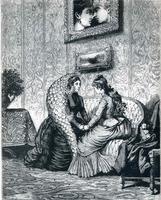
Illustration to "A Week of Kindness"
Max Ernst
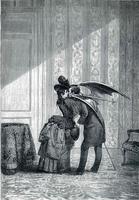
Illustration to "A Week of Kindness"
Max Ernst
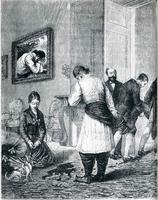
Illustration to "A Week of Kindness"
Max Ernst
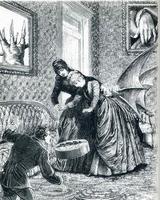
Illustration to "A Week of Kindness"
Max Ernst
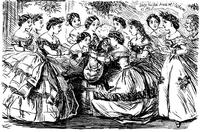
UNDER THE MISTLETOE
John Leech