William Hogarth の Marriage の専門的な分析
スタイル:Rococo · ジャンル:genre painting
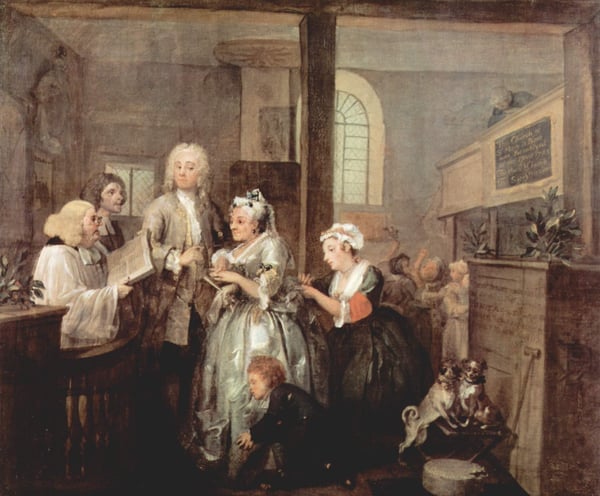
This analysis is based solely on the provided facts: the artwork is "Marriage" by William Hogarth, it belongs to the Rococo style, and it is a genre painting.
Expert Analysis: "Marriage" by William Hogarth
Within the Rococo style—typically associated with frivolity, ornate decoration, and light-hearted aristocratic pastimes—Hogarth’s "Marriage" stands as a significant and subversive work. Its importance lies in how it weaponizes the visual language of Rococo for sharp social critique, a move that redefined the possibilities of genre painting.
Significance within Rococo Style: Rococo art of the period often celebrated the pleasures of the elite: intimate courtship, luxurious interiors, and playful romance. Hogarth, however, takes the same stylistic toolkit—sinuous lines, pastel tones, and lavish detail—and uses it to expose the corruption and moral decay behind fashionable society. The painting’s crowded, highly decorative setting (typical of Rococo) is not a backdrop for grace but a stage for transactional marriage, hypocrisy, and impending ruin. By drawing on Rococo’s visual appeal, Hogarth makes the satire more effective: the beauty of the surface contrasts sharply with the ugliness of the subject matter.
Significance within Genre Painting: As a genre painting, "Marriage" depicts everyday life, but Hogarth elevates the genre from simple domestic scenes to a vehicle for moral narrative. He pioneered a "modern moral subject"—a series of connected scenes (if part of a series, though not specified here, the single work still implies a didactic story). This painting is significant because it moves genre painting beyond mere observation into a form of social commentary and melodrama. Hogarth treats the mundane—a marriage contract, a strained couple—with the complexity and detail usually reserved for history painting, giving weight to middle-class anxieties and vices.
Overall Significance: The work’s enduring significance is its bold fusion of Rococo elegance with biting satire in the genre painting tradition. Hogarth demonstrated that a style seen as frivolous could be repurposed for profound moral instruction and social criticism. This approach influenced later satirical artists (like Daumier) and legitimized genre painting as a serious platform for commentary, making "Marriage" a landmark in the evolution of modern art’s engagement with society.
視覚的に類似
構図やパレットが近い作品 20 件
Erasmus' steadfastness. Motif from Ludvig Holberg's »Erasmus Montanus«, III. act, VI. Scene
Wilhelm Marstrand
The Village Bride
Jean-Baptiste Greuze
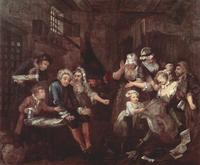
The prison
William Hogarth
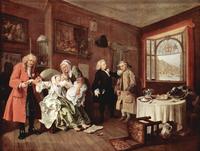
Suicide of the Countess
William Hogarth
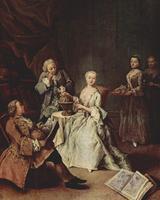
The Geography Lesson
Pietro Longhi
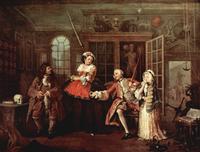
Visit with the Quack Doctor
William Hogarth
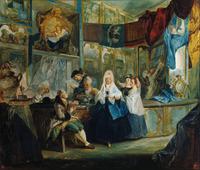
The Shop
Luis Paret y Alcazar
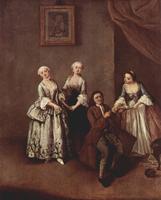
The Family
Pietro Longhi
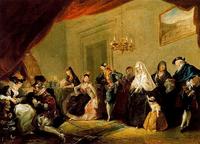
Ensayo de una comedia
Luis Paret y Alcazar
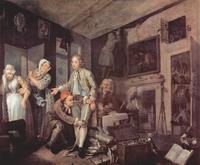
The heir
William Hogarth
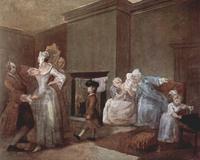
The Staymaker
William Hogarth
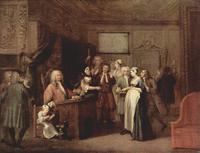
The Denunciation
William Hogarth
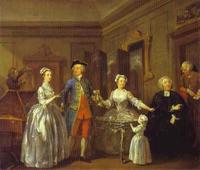
The Western Family
William Hogarth
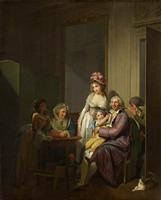
Family in an Interior
Louis Leopold Boilly
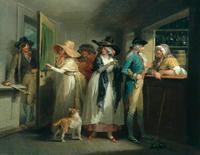
Easy Money
George Morland
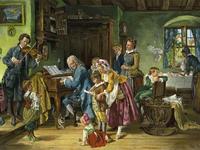
Johann Sebastian Bach im Kreise Seiner Familie
Toby Edward Rosenthal
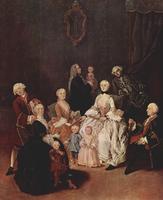
A Patrician Family
Pietro Longhi
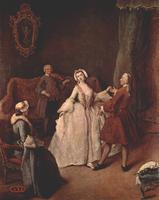
The Dancing Lesson
Pietro Longhi
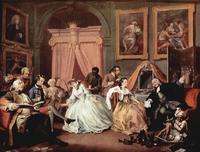
The Countess's Morning Levee
William Hogarth
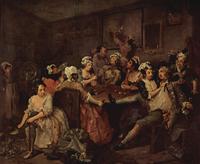
Scene in a Tavern (The Orgy)
William Hogarth