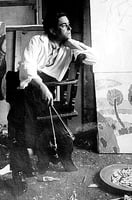
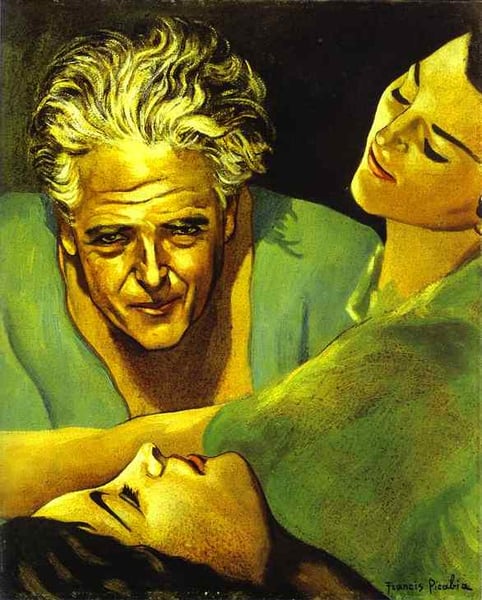
Francis Picabia sanatçısının Self Portrait eseri hakkında uzman analizi
Tarz: Kitsch · Tür: self-portrait
Expert Analysis of Francis Picabia’s "Self Portrait" (Kitsch Style)
Francis Picabia’s Self Portrait is a provocative landmark within the Kitsch style, a deliberately anti-aesthetic movement that challenges traditional notions of artistic value and refined taste. As a self-portrait, the work is deeply personal yet ironically detached, reflecting Picabia’s radical shift from earlier avant-garde movements (like Dada) toward a calculated embrace of vulgarity, sentimentality, and mass-produced visual clichés.
Significance within Kitsch and its Period:
- Subversion of High Art: Picabia’s adoption of Kitsch in the 1920s–1940s was a direct assault on the sanctity of the modernist self-portrait. Instead of psychological depth or formal innovation, his self-image mimics the flat, garish, and overly emotional aesthetic of commercial calendars, pulp illustrations, or cheap religious imagery. The work deconstructs the artist’s persona into a mere commodity, questioning authenticity in an age of mechanical reproduction.
- Ironic Self-Mythologizing: By choosing Kitsch as his stylistic vehicle, Picabia presents himself not as a tortured genius but as a caricature—a performative, almost cartoonish figure that mocks the cult of artistic individuality. The portrait’s exaggerated features, clashing colors, and lack of refined technique intentionally defy the craftsmanship expected of a serious self-portrait, forcing viewers to confront the boundary between sincerity and satire.
- Contextual Provocation: Produced during a period when Surrealism and Abstraction dominated the avant-garde, Picabia’s turn to Kitsch was a scandalous rejection of progressive art movements. The Self Portrait stands as a manifesto for the aesthetic of “bad taste,” arguing that the most potent critique of bourgeois culture might come not from purity but from embracing its most degraded forms.
In essence, Picabia’s Self Portrait is a deliberately disorienting work that uses Kitsch to dismantle the very idea of a self-portrait as a site of truth or artistic mastery. Its significance lies in its aggressive negation—a paradoxical declaration that the artist’s identity is most honestly captured through the lens of artifice and vulgarity.
Museum / Gallery
Görsel olarak benzer
İlişkili kompozisyon ve renk paletine sahip 20 eser
The brunette and blonde
Francis Picabia
Summer Bachelor
Robert G. Harris
Aramos Pintos
Leopoldo Metlicovitz
Self-Portrait with Death
Max Pechstein
The Cold-War Blonde
Robert G. Harris
Two Nudes
Francis Picabia
Kriminal
Mimmo Rotella
Portrait of Gala with Two Lamb Chops Balanced on Her Shoulder
Salvador Dali
The Kiss (Bela Lugosi)
Andy Warhol
The Pink Shirt
Tamara de Lempicka
Woman with Dove
Tamara de Lempicka
I'm Forever Thinking of You
Rolf Amstrong
The Poet and the Angel
Mario Eloy
Women with bull-dog
Francis Picabia
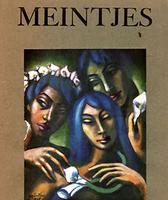
Meintjies Manuscript
Johannes Meintjes
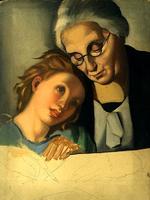
The Grandmother
Tamara de Lempicka
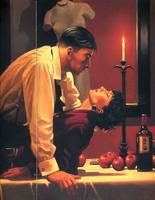
The Party's Over
Jack Vettriano
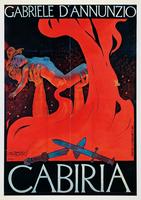
Original Italian Poster for the Italian Film Cabiria
Leopoldo Metlicovitz
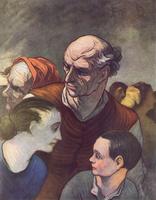
Family on the Barricades, 1848
Honore Daumier
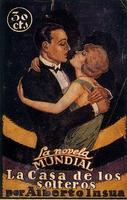
Cover of "La Casa de los solteros" by Alberto Insua
Arturo Souto