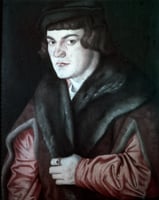
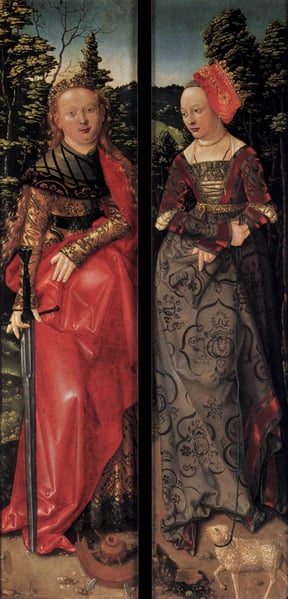
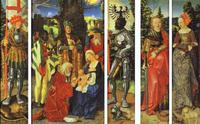
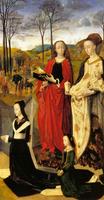
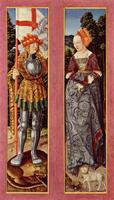
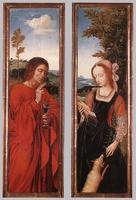
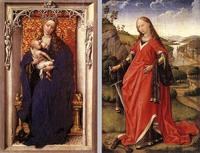
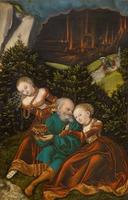
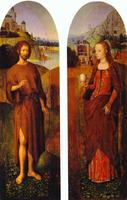
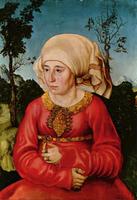
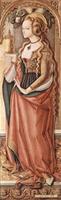
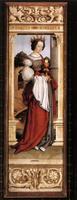
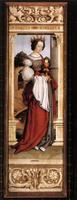
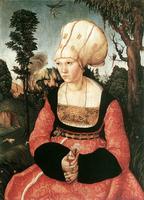
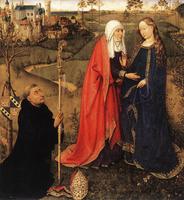
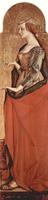
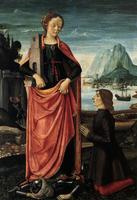
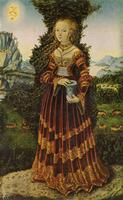
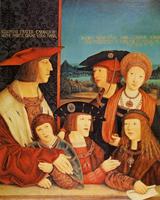
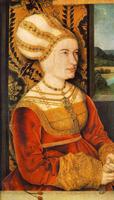
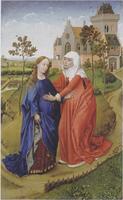
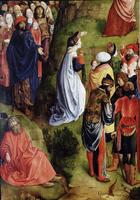
This closed view of Hans Baldung’s Three Kings Altarpiece exemplifies the Northern Renaissance’s characteristic fusion of meticulous naturalism with profound religious symbolism. As a German master working in the early 16th century, Baldung brings a distinctive intensity and psychological depth to the traditional subject of the Epiphany. The closed state of the altarpiece—likely a grisaille or more subdued exterior panel—would have served a liturgical purpose, shielding the vibrant interior during ordinary days and heightening the dramatic revelation of the Adoration scene when opened. Baldung’s significance lies in his ability to inject a sense of emotional urgency and almost Mannerist tension into the still-rigorous realism of Northern European painting, making this work a striking example of how the style balanced devotional clarity with personal expression.