Analysis of "Splendour of the Grand Tetons" by Albert Bierstadt
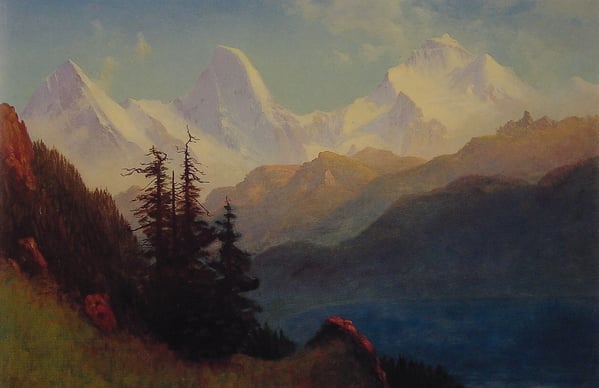
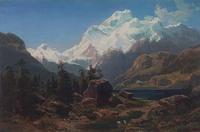
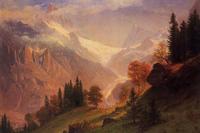
Albert Bierstadt’s Splendour of the Grand Tetons is a defining example of Luminism within the landscape genre. Its significance lies in how it elevates the American wilderness through a near-sacred treatment of light and atmosphere, characteristics central to the Luminist style.
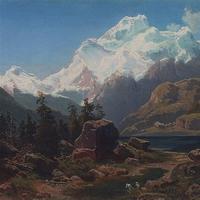
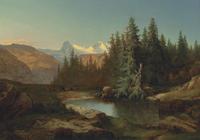
The painting captures the Grand Teton range with a calm, almost reverent clarity. Light is the true subject: it suffuses the scene with a soft, golden glow, emphasizing the tranquil mirror of a lake, the crisp edges of mountain peaks, and the subtle gradations of sky and water. This meticulous rendering of atmospheric effects—where every detail is sharp yet enveloped in a luminous haze—epitomizes the Luminist aim to evoke a sense of the sublime and the eternal in nature.
As a landscape, the work is significant for its role in shaping America’s visual identity. Bierstadt’s grandeur transforms a specific geographic location into an emblem of national majesty. The painting invites contemplation, not action, aligning with Luminism’s preference for stillness and harmony over dramatic narrative. In this, Splendour of the Grand Tetons becomes more than a topographical record; it is a spiritual meditation on light, land, and the transcendent beauty of the natural world—a testament to the artist’s mastery of atmosphere and the enduring power of the American landscape tradition.