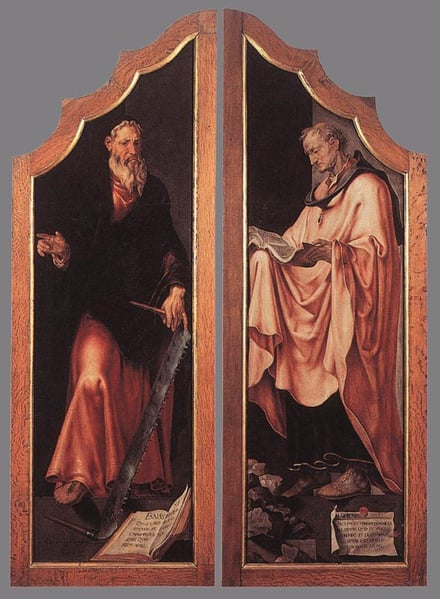
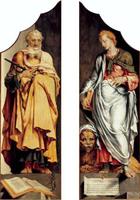
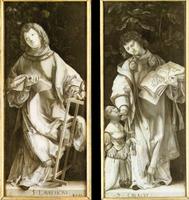
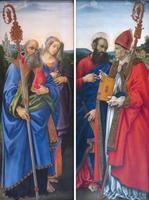
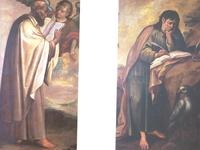
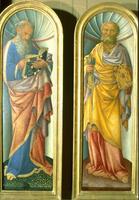
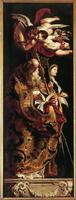
This triptych, when closed, presents a masterful example of Netherlandish Mannerism—a late Renaissance style that prized artificiality, complex composition, and emotional intensity over the naturalistic balance of the High Renaissance. Van Heemskerck, having studied in Rome, synthesized Italian Mannerist ideals (elongated figures, crowded space, dramatic chiaroscuro) with Northern European attention to detail. The closed state typically depicts the Entombment theme in grisaille or subdued tones, imitating sculptural relief—a clever trompe-l’oeil that emphasizes the work’s dual function as a devotional object and a display of artistic virtuosity. Its significance lies in bridging Italian and Northern traditions, pushing religious narrative into a more agitated, expressive realm that foreshadows the Baroque. The closed panels also heighten the drama of the interior’s eventual revelation, making the viewer’s experience a deliberate, layered journey from solemnity to pathos.