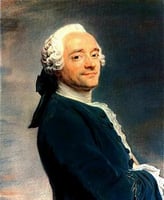
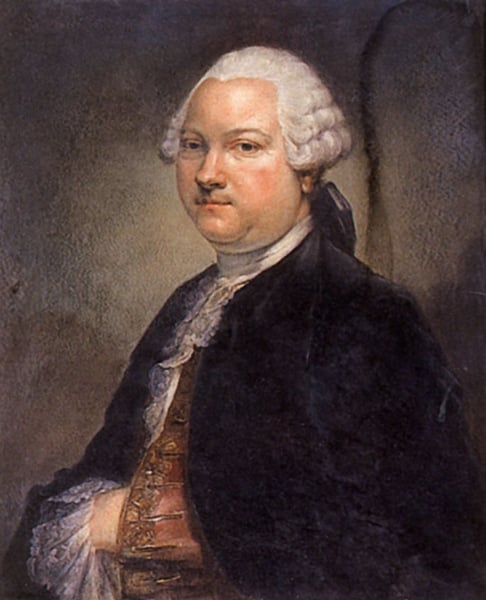
Analisi esperta di Portrait of unknown man di Maurice Quentin de La Tour
Stile: Rococo · Genere: portrait
As an expert art historian, I will provide an analysis strictly based on the supplied facts: the artwork is Maurice Quentin de La Tour's Portrait of Unknown Man, created in the Rococo style and belonging to the portrait genre.
Significance within the Rococo Period:
Maurice Quentin de La Tour was the preeminent master of pastel portraiture in 18th-century France, and this work exemplifies the Rococo's shift from formal, grandiose state portraiture toward intimate, psychologically nuanced depictions. The very fact that the sitter is "unknown" is significant: it underscores the Rococo fascination with capturing the fleeting charm, wit, and personality of individuals from the educated bourgeoisie or aristocratic circles, rather than relying solely on the subject's name or rank for importance.
La Tour’s technique—using pastel to achieve a soft, luminous, and almost powdery texture—perfectly embodies the Rococo aesthetic of lightness, elegance, and sensory pleasure. In this portrait, the artist’s skill lies in rendering the sitter’s lively expression and the subtle play of light on the face, creating an immediate, conversational intimacy. The lack of ostentatious props or allegorical symbols further highlights the Rococo emphasis on natural grace and the “art of pleasing.”
The work is significant because it demonstrates how La Tour elevated the pastel portrait from a sketchy, preparatory medium to a finished, highly polished art form. The psychological penetration—the fleeting smile or penetrating gaze of the unknown man—is a hallmark of Rococo portraiture’s enduring contribution to Western art: the celebration of individual character over iconographic pomp. This piece remains a masterful testament to the era’s belief that art should delight, engage, and reveal the inner life of its subject.
Visivamente simili
20 opere con composizione e palette affini
Robert Ramsden
Joshua Reynolds
Portrait of Jacques Necker
Joseph Duplessis
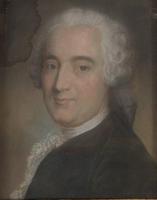
Portrait De Jean Baptiste Laurent Boyer De Fonscolombe
Claude Arnulphy
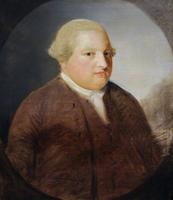
Charles Strickland (1734–1770)
George Romney
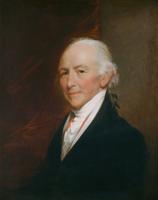
Samuel Alleyne Otis
Gilbert Stuart
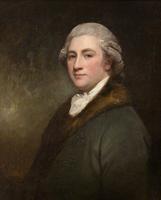
Portrait of a Man
George Romney
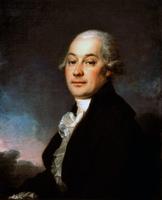
Portrait of Johann Hauffe
Dmitry Levitzky
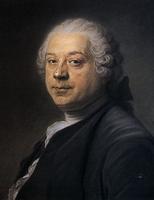
Charles Parrocel, painter
Maurice Quentin de La Tour
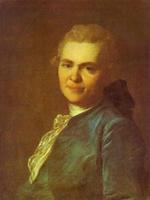
Portrait of Unknown Man in a Blue Caftan
Fyodor Rokotov
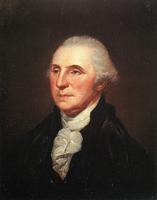
George Washington
Charles Willson Peale
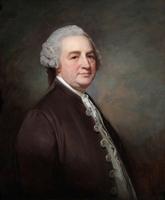
Anthony Todd, Postmaster General
George Romney
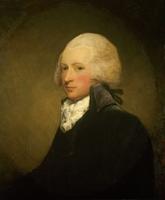
Dr. William Hartigan
Gilbert Stuart
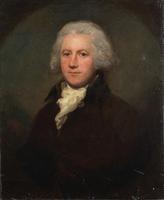
Portrait of a gentleman bust-length in a black coat within a painted oval
Lemuel Francis Abbott
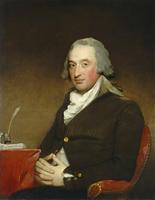
George Pollock
Gilbert Stuart
William Sharp
Charles Turner
Portrait of director of Capella Mark Fedorovich Poltoratsky
Dmitry Levitzky
Portrait of a Gentleman
George Romney
Isaac Hawkins Browne (1705–1760), Poet
Joseph Highmore
Portrait of Pieter Caarten
Pompeo Batoni
Peregrine Cust (1723–1785), MP
George Romney