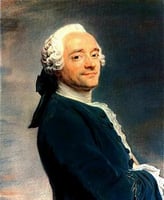
Analisi esperta di Study for portrait of unknown man di Maurice Quentin de La Tour
Stile: Rococo · Genere: sketch and study
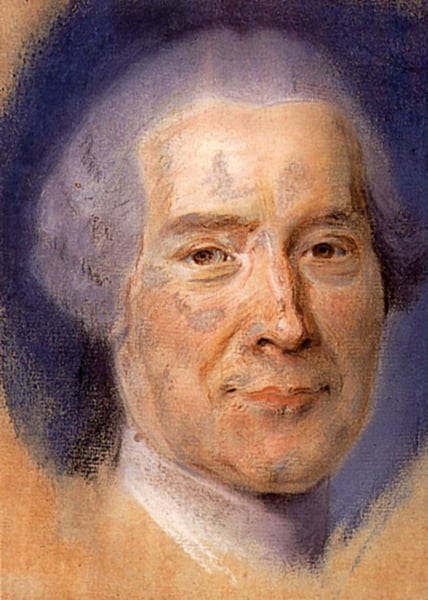
This work, “Study for portrait of unknown man” by Maurice Quentin de La Tour, holds significance as a rare and intimate glimpse into the working process of one of the 18th century’s greatest portraitists. Executed in the Rococo style, yet belonging to the genre of sketch and study, it transcends the typical decorative lightness of the period to reveal the core of de La Tour’s genius.
Technical and Psychological Significance: De La Tour was a master of pastel, a medium synonymous with Rococo’s softness and immediacy. In this study, the medium’s rapid, chalky strokes are not merely preparatory—they become the final statement. Unlike his finished, highly polished portraits for the aristocracy, this sketch captures the sitter with spontaneous freshness and psychological immediacy. The “unknown man” is not idealized; rather, the artist’s swift, confident marks search for character—the tilt of the head, the set of the mouth, the flicker of life in the eyes. This study prioritizes essence over elegance, offering a direct encounter with the artist’s observational skill.
Art-Historical Context: During the Rococo period, the sketch and study was often considered a private, preparatory stage. However, de La Tour elevated such works to autonomous artworks. This piece demonstrates his method: a rapid first thought that captures the sitter’s soul before the careful refinement demanded by aristocratic patrons. It is significant because it inverts the Rococo stereotype of frivolous surface beauty, showing instead a deep, humanistic inquiry into individual identity. The very fact that the sitter remains “unknown” allows us to focus purely on de La Tour’s draftsmanship and his ability to conjure presence from a few strokes.
Medium and Technique: The work is a testament to pastel’s potential for both delicacy and force. De La Tour uses the chalk’s friable texture to create luminous skin tones and blurred contours, while sharper lines define the jaw and eyes. The unfinished state reveals the artist’s process of construction: layers of color blocked in, then refined with hatched and dotted marks. This study is not a failure to complete, but a celebration of discovery—it shows the artist thinking aloud, finding the man through his art.
In short, this “Study for portrait of unknown man” is significant because it democratizes the portrait genre—removing the pomp of status to reveal the soul of its subject, and the pure mastery of its creator. It is Rococo at its most introspective, and de La Tour at his most honest.
Visivamente simili
20 opere con composizione e palette affini
Jean Monnet
Maurice Quentin de La Tour
Study for portrait of unknown man
Maurice Quentin de La Tour
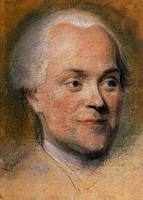
Study to the portrait of Jean Le Rond d'Alembert
Maurice Quentin de La Tour
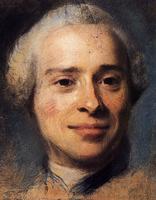
Portrait of Jean Le Rond d'Alembert
Maurice Quentin de La Tour
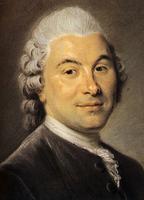
Francois Louis Veron Forbonnais of Duverger, economist
Maurice Quentin de La Tour
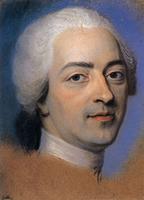
Portrait of Louis XV of France
Maurice Quentin de La Tour
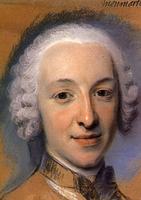
Preparation of the portrait of Joseph Amedee Victor Paris, son of John of Paris Montmartel
Maurice Quentin de La Tour
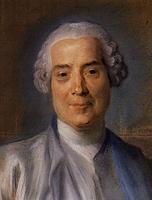
Study for portrait of unknown man
Maurice Quentin de La Tour
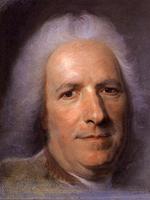
Preparation of the portrait of Jean Paris de Montmartel
Maurice Quentin de La Tour
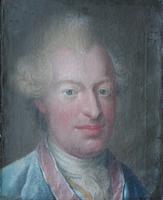
Johan Frederik Struensee
Christian August Lorentzen
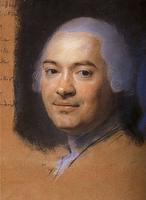
Study to the portrait of the magistrate Jacques Laura Cooper Breteuil
Maurice Quentin de La Tour
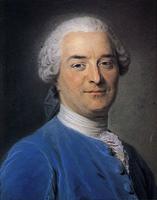
Charles Pinot Duclos, novelist and historian
Maurice Quentin de La Tour
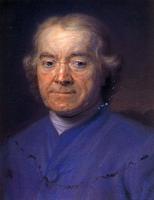
Francois Dachery, childhood friend of Maurice Quentin de La Tour
Maurice Quentin de La Tour
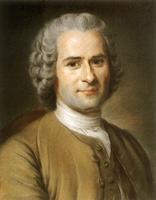
Portrait of Jean-Jacques Rousseau
Maurice Quentin de La Tour
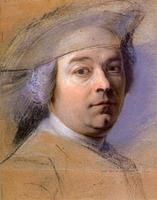
Study for portrait of unknown man
Maurice Quentin de La Tour
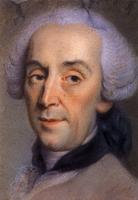
Study of the portrait
Maurice Quentin de La Tour
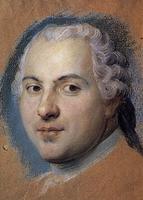
Preparation to the portrait of dauphin Louis de France, son of Louis XV
Maurice Quentin de La Tour
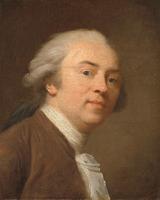
Self-portrait
Johann Friedrich August Tischbein
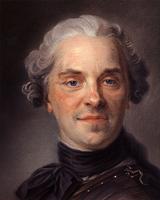
Portrait of Maurice of Saxony
Maurice Quentin de La Tour
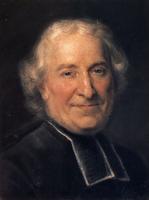
Abbot Claude Charles Deschamps
Maurice Quentin de La Tour