Analisi esperta di Jean Monnet di Maurice Quentin de La Tour
Stile: Rococo · Genere: portrait
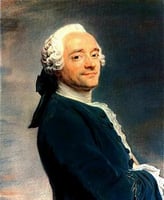
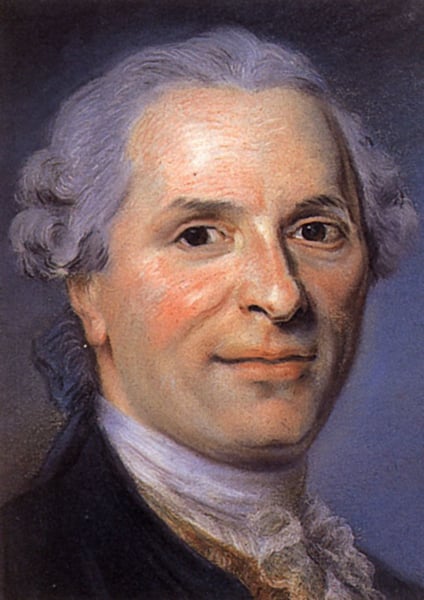
The portrait of Jean Monnet by Maurice Quentin de La Tour stands as a consummate example of Rococo portraiture’s shift from grandiose allegory to intimate, psychological observation. La Tour, the undisputed master of pastel in the 18th century, elevates the medium beyond decorative fragility into a tool of penetrating character study.
Significance within Rococo and portraiture:
-
Technical mastery of pastel: La Tour’s virtuosity in pastel—a fast, ephemeral medium associated with informal sketches—is on full display. He achieves the illusion of soft, velvety skin, the glint of silk, and the subtle gradations of powdered hair, demonstrating that pastel could rival oil painting in depth and permanence. This technical bravura aligns with Rococo’s delight in sensual surface beauty.
-
Psychological immediacy: Unlike earlier formal court portraits, La Tour captures Jean Monnet (likely the painter and member of the Académie, not the later statesman) mid-thought, with a direct, knowing gaze and a slight, enigmatic smile. The sitter is not merely a social type but an individual: an artist-intellectual engaged in the Enlightenment dialogue of wit and sensibility. This emphasis on inner life over mere rank epitomizes the Rococo portrait’s move toward personal expression.
-
Rosy palette and refined detail: The warm skin tones, muted blue-greys, and soft pink accents are quintessentially Rococo, evoking both luxury and naturalness. The delicate rendering of lace, the subtle texture of the collar, and the nearly imperceptible shadow under the chin create a convincing, airy presence—a hallmark of La Tour’s ability to harmonize decorative elegance with lifelike verisimilitude.
In “Jean Monnet,” La Tour synthesizes the Rococo love for charm and refinement with a startlingly modern fidelity to human character, marking a high point in the art of Enlightenment portraiture.
Visivamente simili
20 opere con composizione e palette affini
Charles Pinot Duclos, novelist and historian
Maurice Quentin de La Tour
Study for portrait of unknown man
Maurice Quentin de La Tour
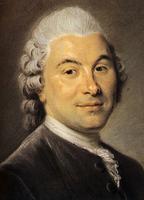
Francois Louis Veron Forbonnais of Duverger, economist
Maurice Quentin de La Tour
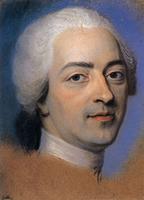
Portrait of Louis XV of France
Maurice Quentin de La Tour
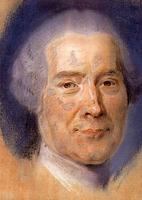
Study for portrait of unknown man
Maurice Quentin de La Tour
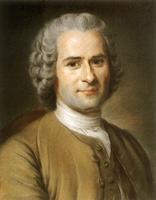
Portrait of Jean-Jacques Rousseau
Maurice Quentin de La Tour
George Washington (Vaughan portrait)
Gilbert Stuart
Self-Portrait
Charles Willson Peale
Retrato de Friedrich Justin Bertuch (1747–1822)
Johann Friedrich August Tischbein
Self-portrait
Johann Friedrich August Tischbein
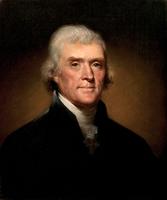
Portrait of Thomas Jefferson
Rembrandt Peale
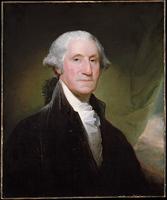
George Washington (Gibbs-Channing-Avery portrait)
Gilbert Stuart
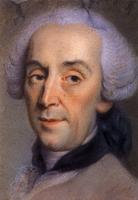
Study of the portrait
Maurice Quentin de La Tour
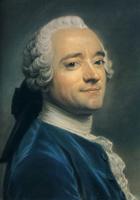
Self-Portrait with lace jabot
Maurice Quentin de La Tour
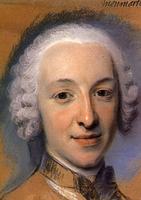
Preparation of the portrait of Joseph Amedee Victor Paris, son of John of Paris Montmartel
Maurice Quentin de La Tour
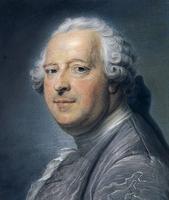
Jean Charles Garnier d'Isle
Maurice Quentin de La Tour
Marcus Gjøe Rosenkrantz
Christian August Lorentzen
Portrait of director of Capella Mark Fedorovich Poltoratsky
Dmitry Levitzky
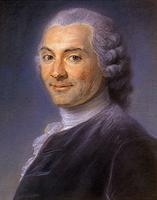
Charles Maron, a lawyer in parliament
Maurice Quentin de La Tour
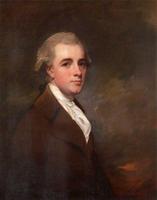
Henry Hoare, Esq. of Mitcham Grove, Surrey (1750–1828)
George Romney