Análisis experto de Still Life with Pipe and Jug de Jean-Baptiste-Simeon Chardin
Estilo: Rococo · Género: still life
Expert Analysis: Still Life with Pipe and Jug by Jean-Baptiste-Siméon Chardin
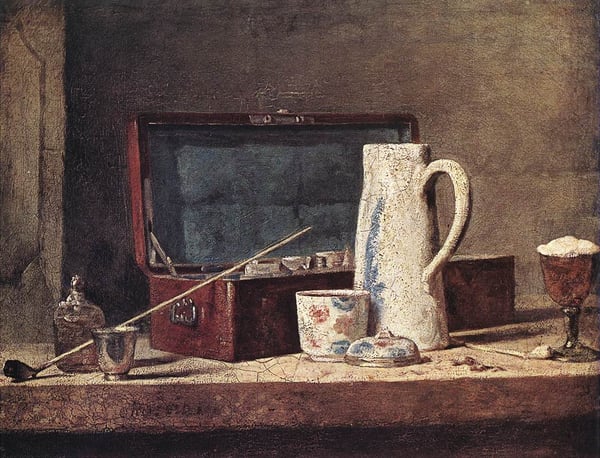
Jean-Baptiste-Siméon Chardin’s Still Life with Pipe and Jug stands as a quiet revolution within the Rococo period—a style more commonly associated with ornate frivolity, pastel colors, and aristocratic pastimes. While his contemporaries painted mythological allegories or gallant fêtes galantes, Chardin turned his gaze to humble, everyday objects, elevating them to the realm of profound artistic meditation.
Significance within the Rococo Style:
In an era dominated by the decorative excesses of François Boucher or Jean-Honoré Fragonard, Chardin offered a radical counterpoint: stillness, intimacy, and moral sincerity. Still Life with Pipe and Jug exemplifies his ability to find monumentality in the mundane. The pipe—a simple clay object—and the stoneware jug are rendered with a tactility that suggests not just their physical presence but the quiet rituals of domestic life. Unlike the shimmering silks and mythological nymphs of typical Rococo, Chardin’s subject matter speaks to the dignity of everyday existence, a value later championed by Enlightenment thinkers like Denis Diderot, who praised Chardin’s “truth to nature.”
Artistic Achievement:
Chardin’s mastery lies in his handling of light and texture. Here, the soft, diffused illumination models the rounded forms of the jug and the fragile pipe, while the tabletop’s worn surface is rendered with subtle impasto strokes that feel almost sculptural. He avoids strong contrasts; instead, a muted palette of ochres, warm browns, and creamy whites creates a harmonious, almost reverent atmosphere. The composition is deceptively simple: a diagonal arrangement leads the eye from the pipe to the jug, balanced by the dark background that isolates the objects, forcing attention on their materiality.
Why It Matters:
Still Life with Pipe and Jug is significant because it redefined the potential of still life as a genre. In Chardin’s hands, these objects transcend mere representation to become carriers of mood—solace, contemplation, the passage of time. He influenced later realists and modernists, from Édouard Manet to Giorgio Morandi, who similarly sought the profound in the ordinary. In a Rococo world obsessed with surface pleasure, Chardin’s quiet, resonant still lifes remind us that art’s deepest truths often reside in the simplest of things.
Museum / Gallery
Visualmente similares
20 obras con composición y paleta relacionadas
Artist's atelier
Edouard Manet
Still life
Pyotr Konchalovsky
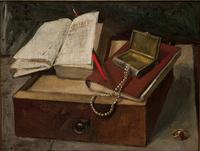
Still Life
Yiannis Moralis
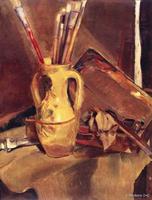
Still life with brushes
Periklis Vyzantios
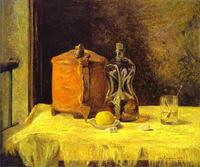
At the Window
Paul Gauguin
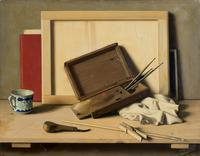
Still Life With Palette
Antonio Bueno
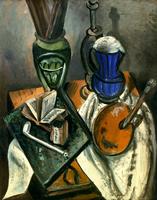
Still life
Andre Derain
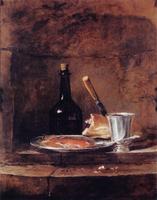
The Leftovers of a Lunch, also called the Silver Goblet
Jean-Baptiste-Simeon Chardin
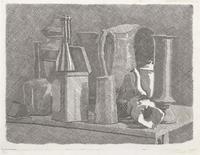
Grande natura morta con la caffettiera
Giorgio Morandi
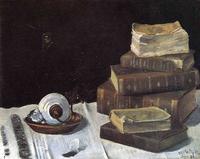
Untitled
Henri Matisse
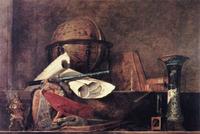
The Attributes of the Sciences
Jean-Baptiste-Simeon Chardin
Still Life. Lotus.
Pyotr Konchalovsky
Silver Chalice, Japanese Bronze and Red Tapir
Julian Alden Weir
Still life with candle
Gerrit Dou
Still Life with a Pilgrim Flask, Candlestick, Porcelain Vase and Fruit
Willem Kalf
Still life with jug
Pyotr Konchalovsky
Still Life with Green Pot and Pewter Jug
Paul Cezanne
Mesa con postres o Bodegón con un mantel caído
Andries Benedetti
Teapot, Ginger Jar and Slave Candlestick
Pieter Gerritsz. van Roestraten
Still Life with Self Portrait
Emil Carlsen