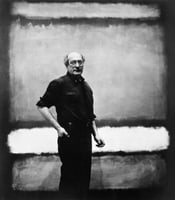
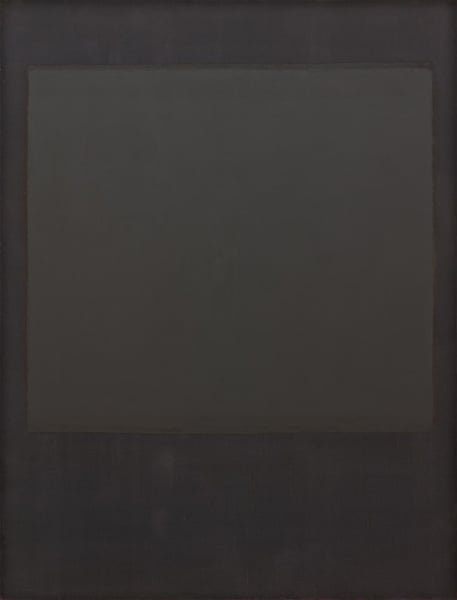
Expert analysis of Mark Rothko’s No. 2
Style: Minimalism · Genre: abstract
Expert Analysis of "No. 2" by Mark Rothko
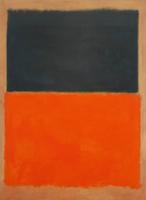
Within the constraints of its ascribed style—Minimalism—and genre—abstract—Rothko’s No. 2 achieves significance through its radical reduction of form to pure, floating fields of color. The painting exemplifies Minimalism’s core tenets: extreme simplicity, rejection of narrative or symbolic content, and an emphasis on the viewer’s direct perceptual experience. By eliminating recognizable objects, brushwork, or composition, Rothko forces attention onto the chromatic relationships themselves—the subtle interplay of hue, saturation, and edge. The work’s large scale (typical of his canvases) creates an immersive environment, inviting the viewer into a contemplative, almost spiritual encounter with color as a physical presence. This aligns with Minimalism’s goal of stripping art to its essential material qualities, yet Rothko’s soft, blurred boundaries and luminous layering introduce a rare emotional warmth within that austerity. No. 2 stands as a pivotal abstract work that pushes Minimalist purity toward a meditative, experiential end, making it a touchstone for how abstraction can communicate through silence and space.
Visually similar
20 works with related composition and palette
No. 5
Mark Rothko
No. 7
Mark Rothko
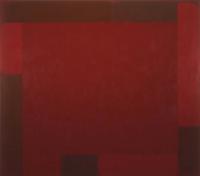
Ujpest
Doug Ohlson
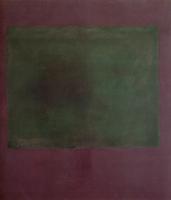
Untitled (Green on Maroon)
Mark Rothko
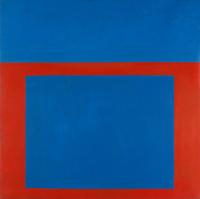
"Cool" Series No. 7 (Square Shooter)
Perle Fine
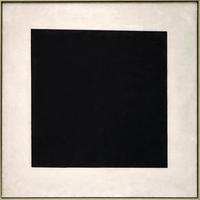
Black Square (3rd version)
Kazimir Malevich
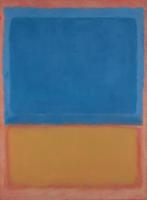
Untitled (Red, Blue, Orange)
Mark Rothko
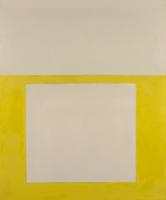
"Cool" Series No. 2 (Yellow over Tan)
Perle Fine
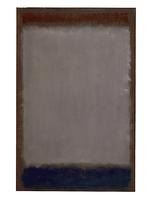
Lavender and Mulberry
Mark Rothko
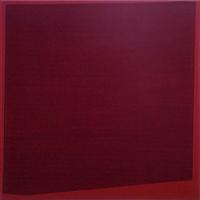
Envoi
Anne Truitt
Untitled 29.8.87
Bob Law
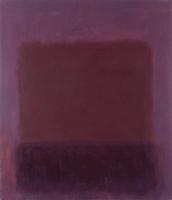
Purple Brown
Mark Rothko
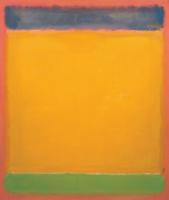
United (Blue, Yellow, Green on Red)
Mark Rothko
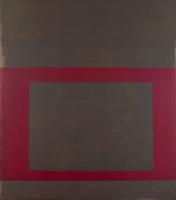
"Cool" Series (Dark Pink over Brown)
Perle Fine
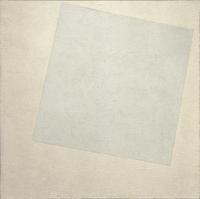
Suprematist Composition: White on White
Kazimir Malevich
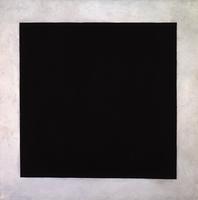
Black Square (2nd version)
Kazimir Malevich
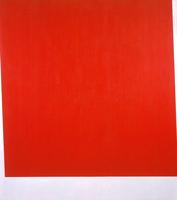
Broadway
Ellsworth Kelly
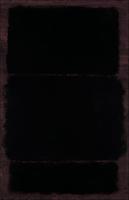
Untitled
Mark Rothko
Green and Tangerine on Red
Mark Rothko
Scale of Darkness
Doug Ohlson