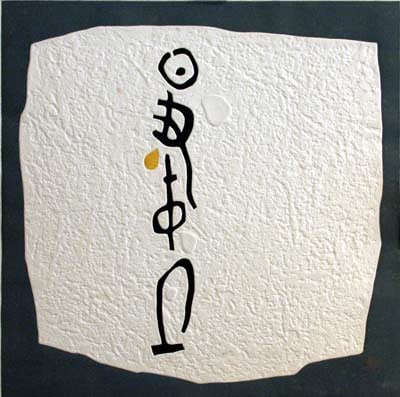
Maki Haku sanatçısının Poem Q eseri hakkında uzman analizi
Tarz: Sōsaku hanga · Tür: abstract
Expert Analysis of Maki Haku’s Poem Q
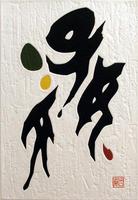
Poem Q exemplifies the core ethos of the Sōsaku hanga (“creative print”) movement, a 20th-century Japanese printmaking revolution that rejected the traditional ukiyo-e division of labor. In Sōsaku hanga, the artist personally carves, inks, and prints—imbuing each work with direct, unfiltered expression. Maki Haku, a master of this movement, elevates the genre into abstraction, using the print medium as a vehicle for poetic and calligraphic spontaneity.
Significance within the Sōsaku Hanga Style:
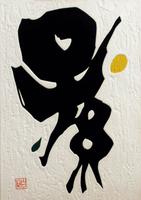
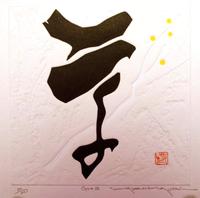
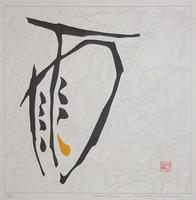
- Personal authorship and tactile immediacy: Unlike commercial woodblock prints, Poem Q bears the artist’s own hand in every stage. The bold, gestural marks—evocative of brushstrokes or fragmented Kanji—are carved into the block with a raw, deliberate energy that mirrors the creative act itself.
- Fusion of text and image: The title Poem Q (likely a reference to the artist’s renowned Poem series) suggests a visual “reading” of abstract forms. Maki Haku transforms letters or word-derivatives into pure aesthetic gesture, bridging Japanese calligraphic tradition with Western modernist abstraction (e.g., Abstract Expressionism, Art Informel).
- Material innovation: Haku often employed unconventional materials such as metal foil, collage, or embossing. In Poem Q, the interplay of textured ink, empty space (yohaku), and crisp, angular cuts creates a rhythmic tension—a silent “poem” that communicates through shape and materiality rather than literal meaning.
Art-Historical Context:
- Maki Haku (1924–2000) was a leading figure in the post-war Sōsaku hanga movement, which sought to modernize Japanese printmaking while preserving its spiritual depth. His abstract works—especially the Poem series—are celebrated for their ability to condense ancient literary traditions (haiku, Zen calligraphy) into a universal, non-verbal visual language.
- Poem Q exemplifies how Sōsaku hanga artists transcended the decorative to claim printmaking as a fine art equal to painting or sculpture. The work’s compositional balance between chaos and control, black and white, solid and void, mirrors the Zen concept of mu (emptiness) and the poetic ideal of iki (understated elegance).
Conclusion:
Poem Q is significant not only as a masterwork of mid-century Japanese abstraction but also as a declaration of artistic freedom within the Sōsaku hanga movement. It challenges the viewer to “read” visual form as poetry, honoring the expressive autonomy of the artist-printmaker while rooting its energy in centuries of East Asian aesthetic tradition.
Görsel olarak benzer
İlişkili kompozisyon ve renk paletine sahip 20 eser
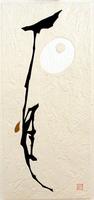
Poem 69-3
Maki Haku
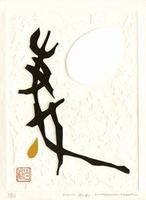
Poem 69-41
Maki Haku
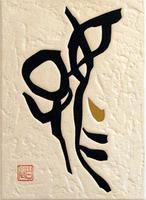
Poem 69-42
Maki Haku
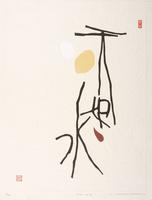
Poem 69-8
Maki Haku
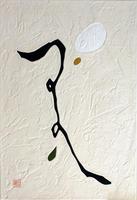
Poem 70-66
Maki Haku
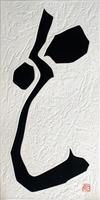
Work 73-45
Maki Haku
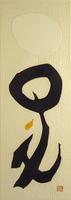
Figure
Maki Haku
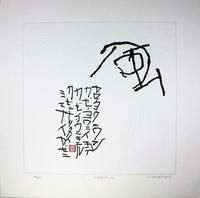
Poem 2
Maki Haku
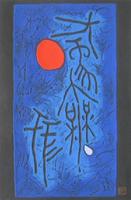
Poem 69-11
Maki Haku
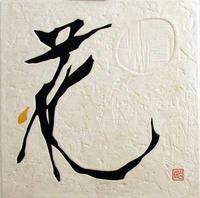
Poem 69-52
Maki Haku
Poem 71-86 AP
Maki Haku
Grass
Maki Haku
Poem 69-53
Maki Haku
Birds in the clouds
Alfred Freddy Krupa
Poem 70-61
Maki Haku
Symbolic (code) Paintings, late 2019 and early 2020
Dave Holt
Poem 69-26
Maki Haku
Poem 68-44
Maki Haku
Poem 71-84
Maki Haku
Lutins au Printemps
Willi Baumeister